When Jed Rosenzweig was putting together his Top Ten Oral History for LateNighter (link below), he asked if I could find the actual magazine list that, per Steve O’Donnell’s memory, included then-83-year-old CBS President William Paley as one of the sexiest available bachelors — the list that helped prompt the Late Nightwith David Letterman writers to come up with their own initial Top Ten that aired on September 18, 1985.
There were several contenders: Cosmopolitan, McCall’s (the magazine Dave held up when introducing the segment), People, and Good Housekeeping.
The place to go first was Google, where several magazines were available but only to a limited degree. It was in eBay where I found everything I needed to inspect. I purchased them all, because, as I emailed Jed, Science.
All of the 1985 Cosmopolitans revealed no relevant lists.
The McCall’s that Dave held up featured “America’s Ten Sexiest Men Over 60.” It included Paul Newman (then 60), John Forsythe (67), John Huston (79), Lee Iacocca (61), Ronald Reagan (74), Joe DiMaggio (70), Frank Sinatra (69), Cary Grant (81), Norman Mailer (62), and Isaac Bashevis Singer (81). Not on the list: William Paley.
People Magazine: There were several issues available from 1985, but none had what I was looking for. LN Producer Robert Morton swears it was in this magazine, and he may well be right, but I’ve yet to find it in there.
And then there was Good Housekeeping: Its February 1985 issue featured a photo display of “The 50 Most Eligible Bachelors.” Coming in at Number 33 was the man of the hour, William Paley. (Number 1 was Mikhail Baryshnikov, then 37; 89-year-old George Burns ranked at #6.)
This was the closest I could find that matched Steve’s memory. It doesn’t definitively prove that this was the urtext, but it’s all we have at the moment.
“I’ve always felt that she was the best teacher I ever had, including college. She made an incredible impression on my life.” — Jay Baumstein, August 6, 2023
I knew Eleanor Lindner for only ten months over sixty years ago, from September 1962 until June 1963. But she left a lasting mark, not only with me but with so many others during that same short period.
She was my 6th-Grade teacher at Cross Country Elementary School in Baltimore. I had joined the 3rd-grade class there in 1959; the student roster had remained intact throughout the rest of the elementary school years.
As I wrote in a previous blog essay,
“Mrs. Lindner was unlike the other teachers our class had had before. She was a bit older, more learned, more cultured. There was a reserved intelligence, something deeper going on with her that was left unexposed. She was sympathetic without suffering fools, someone one sensed had led a meaningful past.” (1)
While writing that blog essay, I became interested — obsessed, really — knowing more about her life. One inquiry led to another, then to another, and suddenly I was corresponding with Norman Mailer’s daughter, Susan, and his biographer, Michael Lennon.
Both then led me to Mrs. Lindner’s daughter Marged, and then she to her siblings Dan and Rick. Their willingness to share their mom’s life voyage was overwhelming, and I’ll never thank them enough for their kindness. These are wonderful people, and now, in their 70s and 80s, their memories are as fresh as ever. Their own lives are as fascinating as their mom’s, and including them here is integral to honoring Eleanor.
It’s also impossible to pay tribute to Eleanor Lindner’s life without highlighting her husband’s, Dr. Robert Mitchell Lindner, and his unique friendship with Norman Mailer, a relationship that began in 1952 and lasted until Robert’s own life ended at a ridiculously young age of 41 in late February 1956. Their lives are intertwined. The key word here is “highlighting,” because his activities and accomplishments are so vast, and he deserves his own full biography.
Before initiating my contact with others, I dove into Ancestry.com and The Baltimore Sun‘s archives for basic and tantalizing information about Eleanor’s and Robert’s life. But those served only as a skeletal outline. The substance came from their children.
Laura Eleanor Johnson entered this world on April 10, 1912. Her family was rooted in Chester County, Pennsylvania, for generations, going back to as early as the mid 1700s, when Joseph and Mary Philips emigrated from Wales to the Chester County township of Uwchlan. (2)
Eleanor’s mother, Ola Philips, came from that family heritage. Her father, Wilmer Johnson, likewise had family roots in Chester County where just a generation before included sons who had fought and died in the Civil War. The township of Downingtown became their home, where Eleanor’s sisters Annawyn was born a year after her and Dorothy eleven years later in 1923. (3)
Eleanor’s birth certificate, April 10, 1912.
(2) Joseph Philips was born in 1716 in Wales and died on May 17, 1792; Mary’s life began in 1710, also in Wales, and ended on December 26, 1792. (3) Ola Philips Johnson, born on April 12, 1883; Wilmer C. Johnson, born December 28, 1885. Annawyn Johnson, born on October 20, 1913; Dorothy Johnson, born January 24, 1923.
“There were descendants named Thomas, like Ola’s brother, who played organ and piano in the Baptist church in Downingtown. I have memories of him taking me to the church and to the train station to watch the trains come in. The track ran right behind Grandma’s house. (4) And that house, on Lancaster Ave. (U.S. Route 30), was right beside the elementary school where Eleanor, Annawyn, and Dorothy attended. Pretty convenient for lunch.” — Dan Lindner, the oldest of Eleanor’s two sons.
(4) Grandma Ola had been separated from Wilmer by then.
Wilmer’s family came from a Quaker background, where personal moral behavior was strictly enforced — no drinking, no swearing. Eleanor, though, would have little to do with that and rebelled as subtly as she could. She loved dancing, especially then with her male cousin. A photo exists of her dancing with an unlit cigar in her mouth. She’d embrace a life forbidden in her home.
Wilmer himself was referred to as “Squire Johnson,” an old title of respect; he was one of the few Downingtown residents who was kind to the Black community that lived in the segregated neighborhood called Johnson Town. The family maid, Rosie, helped raise the daughters and was a significant influence on Eleanor. She was considered such an integral part of the family that when she passed away, per her wishes, Wilmer had her secretly buried in an unmarked grave in the Whites-only part of the town cemetery. “Rosie was absolutely beloved,” writes Dan.
In high school or perhaps earlier, Eleanor played on the women’s basketball team. “Both she and her younger sister Annawyn were both called ‘Johnnie,’ but the name stuck only with Eleanor. She liked it, so friends and family called her that throughout the rest of her life.” — Eleanor’s daughter Marged Lindner
College approached. The family took pride in getting an education; many of the Philips family women had attended West Chester State Teachers College. Eleanor’s great aunt had gone to Bucknell in Lewisburg, Pennsylvania, and had become a physician. So Eleanor applied for and was accepted to Bucknell as well, entering in mid-August 1930. She would major in American History.
Eleanor as a college student at Bucknell. Photo courtesy Marged Lindner
While in a college class, she met a student two years her junior. Robert Mitchell Lindner, born on May 14, 1914, and raised in The Bronx, entered Bucknell as a Freshman in 1932. He was brilliant and graduated in only 3 1/2 years with a double-major in Psychology and English. He always wanted to be a professional writer. An early-1957 Baltimore Sun profile on Robert included this nugget:
“The only student who dared criticize him, in a writing seminar, was a Pennsylvanian named Eleanor Johnson. … Ever after, it was she on whom he tried out his words and sentences, page by laborious long-hand page.” (5)
(5) “Books and Authors” by James H. Bready, The Baltimore Sun, January 13, 1957. It’s a remarkable profile, much of it little doubt aided by Eleanor herself, and is provided in full in Appendix 2 below. Years later, when their daughter Marged was in her teens, Robert would wake her up and ask if a certain sentence or two made sense to her, which she found very flattering that he would turn to her for advice.
A 1933 Bucknell yearbook includes Eleanor’s profile as a Junior, her nickname “Johnnie” prominently displayed.
Eleanor as a Junior in the 1933 Bucknell yearbook.
The 1933 and ‘35 yearbooks include Robert in group photos of the only Jewish fraternity there, Sigma Alpha Mu.
Group photo of the Sigma Alpha Mu fraternity at Bucknell, 1933.
Group photo of the Sigma Alpha Mu fraternity at Bucknell, 1935.
Eleanor chose not to join any of the sororities there.
Eleanor graduated in 1934. Her youngest son, Rick, remembers: “I’m pretty sure that after she graduated from Bucknell she returned to Downingtown for a while. She told me about taking the train into Philly every day for a job she had there, which was not teaching; some kind of office gig.”
Robert graduated from Bucknell a year later. Here’s his 1935 yearbook photo:
Robert’s 1935 Bucknell yearbook photo as a Senior.
Three months after, in August 1935, Robert entered Cornell University in Ithaca, New York, as a graduate student with a Simon Gage fellowship in Psychology.
He continued his Sigma Alpha Mu membership during his first year there, as shown in the school’s 1936 yearbook:
Robert’s Sigma Alpha Mu fraternity group photo at Cornell.
Shortly after his first year at Cornell, Robert and Eleanor married in a private ceremony on June 1, 1936, in a Sunbury, PA courthouse. Here’s their marriage license:
Eleanor and Robert’s marriage license, June 1, 1936.
Under their respective “Occupation” entries, Robert’s was as “student,” while Eleanor’s as “teacher.” What’s known is that she had begun teaching either Junior High or High School in Morristown, New Jersey around this time. The marriage license suggests that she was already there, perhaps by Fall 1935.
Eleanor and Robert initially lived apart after they married. He returned to Ithaca while she taught in Morristown. Married teachers there were prohibited, so Eleanor kept hers secret. Still, the two would often get together, she to Ithaca and he to Morristown.
Robert received his Ph.D at Cornell in 1938 as a psychologist and non-medical analyst. In the next year he would work as a clinical psychologist for the New Jersey Board of Mental Hygiene, study psychoanalysis in New York and Philadelphia, have his own analysis done with Dr. Theodore Reik, study Neurology at the University of Pennsylvania’s Physicians College, and, as an assistant professor, teach Psychology at Lehigh University in Bethlehem, PA, then Criminology back at Bucknell. (6)
(6) The Baltimore Sun‘s February 28, 1956 obituary.
All of that within a year after receiving his Ph.D.
It was the following year, in 1939, when he began his association with the United States Public Health Service. He was first assigned to the U.S. Bureau of Prisons, working at the Federal Penitentiary back in Lewisburg. Two years later, he would be appointed chief of their combined psychiatric/psychological services, focusing on his then-iconoclastic theories on less-draconian approaches to treating criminal behavior.
It’s not certain when Eleanor rejoined him after his Ph.D. degree, but she surely had when he returned to Lewisburg. His draft card from November 26, 1940, lists their residence there. (7)
Robert Lindner’s Draft Card, November 26, 1940.
(7) It’s uncertain what the crossed-out address was. It wasn’t for Robert’s office; he didn’t have his own. The family address was the written-in addition.
Marged, their first child, was born there in Lewisburg in 1941.
From this point on, until Robert’s death fifteen years later, Eleanor’s own career path took a back seat to his. Her input remained vital to his success, but she stood in the shadows.
Since Robert had already been serving in the Public Health Service, in 1943, still living in Lewisburg, he began fulfilling his military obligations, assigned to psychological services with the Navy. He was given the rank of Lieutenant Junior Grade.
Earlier that year, in February 1943, Eleanor gave birth to their first son, Dan. Six or seven months later, their now-family of four visited Robert’s parents, still living in The Bronx.
The Lindner family at Robert’s parents’ place: Robert’s parents Charles and Sadie, who’s holding Dan, who’s maybe six or seven months old; Robert in his naval uniform; and Eleanor with 2-year-old Marged. Photo courtesy Marged Lindner
Robert’s work at the penitentiary led to his first published book, which was based on the case history of one of his unnamed penitentiary patients. Robert wrote, “He was an agitator without a slogan, a revolutionary without a program, a rebel without a cause.”
Rebel Without a Cause was published in 1944. Hollywood would approach him about the book two years later. The Los Angeles Times reported on February 18, 1946, that “‘Rebel Without a Cause,’ written by Dr. Robert M. Lindner, has been announced by J. L. Warner as a major feature on the Warner program. It is a study in criminology, especially the psychopathic type, and is a documentary account of the experience of the physician with hypnoanalysis of incorrigibles, and methods of treatment at the penitentiary at Lewisburg, Pa. The film will have an important cast when it is brought to the screen, and ventures on a new path entirely.”
Hedda Hopper chimed in two days later: “Warners have bought Dr. Robert M. Lindner’s ‘Rebel Without a Cause.’ As the case history of a man in a Pennsylvania prison, the story was first written up in the American Medical Journal. Producer Jerry Wald read it, and immediately put in his bid for the screen rights. Next day both Elmer Rice and Robert Sherwood wanted to buy the story for a play. The tale is told by a criminal, while hypnotized by a powerful drug. Ironical as it may seem, he revealed he took to crime while seeking for an affection he couldn’t find. This is Jerry’s answer to the question: Why can’t we find better stories?”
However, by the time the film went into production in 1954, the storyline had been changed to such an extent that Robert disowned any participation he had had at the beginning:
“Lecturing in California once, he was invited to watch ‘Rebel Without a Cause’ being made into a movie (this was before the plot became so unrecognizable that Lindner withdrew his name from it). He met the male lead, James Dean, and liked him. The studio employé who shook his head over Dean’s foolhardy driving seemed unworthy of notice. When Dean was killed in a mashup, Lindner, back east again, grieved; he grieved, and went on driving too fast.” (8)
(8) “Books and Authors” by James H. Bready, The Baltimore Sun, January 13, 1957.
While Rebel Without a Cause certainly put Robert’s writing career on the map, it was his presentation at a newly-created institute on alcoholism held in Baltimore on September 14, 1944, that likely gave him an exposure to a wider psychoanalytical audience. No less than five articles in The Baltimore Sun were written about the day-long meeting. One article included many quotes from Robert’s speech, and another was devoted solely to it.
Robert was discharged from military service on September 8, 1945, and with that the family relocated to Catonsville, Maryland, a suburb of Baltimore, first to an apartment, then to a house on Rolling Road. There, Robert, having resigned his work with the Public Health Service, was now Chief of the Psychological Division of the Maryland Department of Correction, but for only once a week. His main professional activities were elsewhere: a private psychiatric hospital called Chestnut Lodge, and the start of his own private practice.
The family would live there for the next ten years. In June 1946, their second son, Eric (known as Rick, nicknamed Willy) was born. Robert’s second book, Stone Walls and Men, was published that same year.
Eleanor was in great physical health. She enjoyed walking long distances. She could stand on her head. While in Catonsville, Robert wanted to buy her a car. He had his own English bicycle (which was later turned over to their daughter Marged); Eleanor preferred to bike to the stores to buy food. She’d then get a taxi to drive the food supplies back home while she rode the bike.
Soon after moving to Catonsville, Robert would lead and participate in many local and distant forums, and his expertise was sought in countless articles in The Baltimore Sun on, among many topics, prison reform, studies in psychoanalysis, mental health, and the weakness of the court jury system. (9)
(9) A more-complete accounting of his activities sourced from all found newspaper clippings will be added later.
Both Robert and Eleanor were supporters of Henry Wallace’s 1948 presidential campaign, Robert having been elected the year before as Chairman of the Maryland chapter of the Progressive Citizens of America (PCA) political party. They were disgusted with the House Committee on Un-American Activities, Robert speaking out against it in a May 3, 1948, public meeting that was covered by The Baltimore Sun. Both despised the Communist Party and were aghast at the accusations thrown Wallace’s way.
It was Robert’s third book, Prescription for Rebellion, published in 1952, that drew Norman Mailer’s interest. At 25, Mailer had published his first novel in 1948, The Naked and the Dead, to universal critical acclaim. His second in 1951, Barbary Shore, not so much. Discouraged, he went to work on his next, The Deer Park, when he came across Robert’s Prescription for Rebellion. He was searching for a like-minded “rebel,” and he found it in Robert, even though he was working within the “system,” while Mailer was working outside it.
Mailer began the correspondence with Robert, his first letter dated November 18, 1952. At first he badgered Robert on roads he felt should have been taken but didn’t when writing his new book. But the two soon fell into an intimate personal friendship, one of the few that Mailer had ever had with a contemporary writer and professional psychoanalyst, one he didn’t consider as a threatening competitor. They would often visit each other, Norman to Catonsville and Robert to New York City. (10)
In the Summer of 1954, Mailer honeymooned in Mexico with his second wife Adele, and it was there when he was first introduced to marijuana. He began writing a personal journal about his experience with the weed, calling it the “Lipton Journals” (Lipton = tea, see), frequently exploring his own world that few could understand, but he didn’t care. He enjoyed this new experience and frequently mentioned Robert, to whom he would mail near-daily entries for his feedback.
Robert wasn’t crazy about Norman’s growing reliance on the pot, and Eleanor was downright angry with him. For whom Mailer found a new-found respect. In his journal entry of February 21, 1955, Mailer, joining Eleanor’s family and friends in calling her “Johnnie,” wrote:
“The greatest arrogance is to assume that one knows the potentialities of one’s dear friends and one’s mates. If one knew them then they hardly would be potentialities. But I do hope that the next weekend we spend together isn’t pissed away by Bob exhausting himself before it begins. And the bloody arrogance of the Lindner ‘Don’t write novels, write expository works. Adele, let me tell you about my ideas about painting.’ When it comes to painting he can’t tell an ass-hole from an appetite.
“I much prefer Johnnie’s aggression. She comes out with it, she slams it down, she invites you to sock her back. She says, ‘I think smoking marijuana is going into a dirty urinal.’ So you can talk about it. You can fight about it. But the Lindner [Bob] tries to play chess. He talks about marijuana as if it were a charity case and he’s the kind matron who accepts all, even dirty children — one can always wash their ears. When the kid says, ‘Get your fucking finger out of my ear,’ Mother Superior Bob shrugs sadly and says, ‘The poor neurotic child. I was trying to help it.’ In a way I have more respect for Johnnie than for Bob. She doesn’t pretend to be helping you when she feels like whamming you with a plate. Her aggression is her health. One of these days I hope the Lindner realizes that his aggression-concealments make him act like Uriah Heep.”
In a later journal entry that same day, Mailer calms down:
“I’m so tolerant today I see good in everything. Except for passing rage at the Lindner. But notice the mellowness of this note now that I gave vent to my irritation.”
In the following day’s journal entry, Mailer owns his regret at lashing out at Robert:
“Today, I’m completely down. The sup depression came on last night after rereading the journal for the day and being struck forcibly by the fact that it seemed far less profound and much more ‘gushy’ than I had thought. Particularly the enthusiasm about having my ass whipped. In bed last night that seemed really de trop. And today, I regret the note about Bob, although of course it served its purpose. I vented the spleen I felt, and today I like him as much as ever. But will he like me? The balance between obeying one’s swings and social consideration is of course the great difficulty.”
After reading the earlier entry that Mailer had sent him, Robert fired back with his own venom. While strained for a short while, their relationship was like two brothers, full of love and fight and disgust, then love again.
A week earlier, on February 14, Mailer had written of Eleanor:
“Kill or be killed is the lingua franca of hatred. It recognizes the motile power of hatred. For if the enemy symbolically kills us, then we change, we enter a new world. And if we kill the enemy then too we enter a new world. So hatred understood, accepted, even accentuated (which is the hysteric’s knowledge) leads to love. Which is Johnnie’s power. She is potentially a great lover and hater, and actually is a much larger hater and lover than most people admit to. It is the secret of her health, it is what keeps her going. If she were less guilty over her hatred, less ashamed of her raw love, she would be even healthier.”
In a 2007 interview with his biographer Michael Lennon, Mailer reminisced about Eleanor:
“Mailer described Johnnie as ‘a sort of pepper pot blonde, pepper pot fire. WASP, very strong in a breakable way, in other words vulnerable, vulnerable as hell. She was in the best sense of the word, a dame. She was full of strong feelings, full of love, full of lust, full of fire, full of the inability to pardon.'” (11)
(11) J. Michael Lennon: Norman Mailer A Double Life, p. 166. Eleanor had converted to Judaism after she married Robert. She wasn’t devout, but she did observe Kaddish in honor of her husband.
In late June 1955, Robert resigned from his once-a-week position as criminal psychologist in the Maryland Board of Corrections. Two months later, the family moved from Catonsville to a home in Baltimore on Winding Way, best described by his son Rick as “a stately older home in Roland Park.”
Robert discussed the new home in a letter to Mailer in July 1955:
“The house we’re moving into in August represents something big for all of us. As far as I’m concerned, I’m intending to use it for a real change in my style of life. I’m hoping to alter the pattern somewhat…but this is something we’ll be talking about.”
“I have clear memories of the house on Winding Way: A big stone house, pretty old as it had a dumb waiter running to the kitchen from some place upstairs, suggesting a butler, cook or some other domestic help at some point in its past. Three stories, a steep slate roof that we used to climb on, no yard to speak of so we couldn’t play ball there, which bummed us out.
“Our parents were sociable and often hosted cocktail parties, in Catonsville for sure, and probably at Winding Way, though I don’t specifically recall any there. I do have clear memories of Norman Mailer and especially Phil Wylie, whom I liked tremendously.” — Dan Lindner
“Mom supported Dad with her skills as a social entertainer. She was a marvelous cook, she set a beautiful table, and both entertained often — visitors from all over the world, the celebrities Norman Mailer, Phil Wylie, Theodore Reik, and many local friends.
“Mom was also a creative decorator. She chose a very unusual furniture and color scheme for Dad’s office in the Latrobe Building, quite different from the conventional ones of his colleagues, and people would visit just to admire it.” — Marged Lindner
The Lindner’s new home on Winding Way.
1955 also brought to publication Robert’s fourth book, The Fifty-Minute Hour: A Collection of True Psychoanalytical Tales. It included two case studies that would be adapted for television after Robert had died. The first had earlier appeared as a two-part article in Harper’s called “The Jet-Propelled Couch.” That article would turn into a television play two years later.
Hedda Hopper in The L.A. Times, September 12, 1956: “Stanley Roberts, who bought ‘The Ninth Wave” which he’ll put on the screen, has also acquired ‘Jet Propelled Couch,’ story by Dr. Robert Lindner, author of ‘Rebel Without a Cause.’ It’s about a patient who visits an analyst concerning his problem of making trips to various planets. Stan is aiming for first magnitude stars for this one. He wants Lonesome George Gobel on the couch and Cary Grant as the psychiatrist — a very funny combination.”
The production would air fourteen months later on November 14, 1957, as part of CBS’s Playhouse 90 series. George Gobel and Cary Grant ended up being replaced by Donald O’Connor as the analyst and David Wayne as his patient. Peter Lorre was also included in the cast as “Dr. Ostrow.”
The second case study was “Destiny’s Tot.” It aired on NBC February 7, 1960. Donald Kirkley reviewed it in his Baltimore Sun column “Look and Listen” two days later:
“Two attitudes toward psychiatry — violently different — were illustrated on NBC-TV Sunday, one in a foolish, hackneyed farce, the other in a sober, penetrating study of an important social problem. In every way they were poles apart.
“‘Destiny’s Tot’ was a powerful dramatization of one of the case histories in ‘The Fifty-Minute Hour,’ by the late Dr. Robert Lindner, of Baltimore. The subject of this analysis, conducted in prison over two years, was an American Nazi, jailed for emulating Hitler; a psychopath spitting venom when first seen. S. Lee Pogostin, the adaptor, did not try to improve on Dr. Lindner’s account; he stuck to the facts, shaping them for better showing, with a minimum of changes and flashbacks. It was a very fine piece of translation.
“The acting, of Alexander Scourby [portraying Dr. Lindner] and Robert Duvall [as the psychopath] in the main roles, and the overall production made this a contender for the year’s prizes in this category….”
(The production Kirkley panned was Tony Webster’s “After Hours.”)
By late 1955 Robert had finished his fifth and final book, Must You Conform?, and was preparing to visit various venues to help promote its publication. He had begun that on December 5, speaking at the Donor Day luncheon at the Cheb Shalom Sisterhood.
But his health was turning into a growing concern. He had addressed it in that same letter to Mailer the previous July:
“The days go by and I find myself more hard pressed for time to write to you. Today I’m cutting through the crap to do what I’ve been wanting to do for weeks — spend a few minutes with my brother [his younger brother Manuel, a dentist, referred to in the family as Manny, born in 1918]. Bingo, I have missed you. Actually, my inability to write has not been due entirely to other preoccupations, but due to the fact that — I’ve been — as you seem to sense — close to illness with exhaustion. About two weeks before I went to California I picked up a viral infection. Out there I seem to have been able to pickle it in alcohol and burn it to an ember with the excitement. On my return it flared up — busting out this last week with severe gut pain, agonies in my back and chest, and a sort of quacking ague. Over the weekend I loaded myself with stuff and slept almost continuously. Today I’m better — and even have a few ideas. I hope I’ve got it licked — because despite my notorious hypochondria I resent, hate, despise the weakness in my body.”
Personal tragedy struck Robert’s family in October. Manny had passed away. “It was terrible. He had been quite ill for some time with colitis, had lost his dental practice, was getting much better and was to be discharged from the hospital (and would probably come to live with us in the big house until he regained full strength), then was killed by an embolism.” — Marged Lindner
And by January 1956, Robert himself was in the hospital. His last letter to Mailer on January 13, 1956:
“Dear Norman,
“Perhaps you will forgive my silence when you learn that all the nightmares have finally had triplets and have caught up with me. As of this writing, I am a patient at John Hopkins Hospital, where they are going to try to give me back my tight ass hole. There is nothing more to say, except love.
“Bob
“P.S. Last week I was a patient at the Doctor’s Hospital in New York and Billie and Cy came to see me at Johnnie’s urgent request, since she needed Billie. I asked them not to disturb you with all this worry, and that’s why you weren’t told. I would be very grateful to you if you would call them and tell them what’s happened.
“Dictated but not read or signed.” (12)
(12) Billie was the wife of Charles Rembar, Mailer’s first cousin and lawyer who would defend and win court battles concerning the publication of banned books. Cy was Rembar himself.
Robert Lindner would die in John Hopkins Hospital of congestive heart disease on February 27. He was 41.
“It was terrible for all of the family to have my father’s death. His parents lost two of their three sons [Manny and Robert] within months. A parent’s worst nightmare doubled.” — Marged Lindner
A week after Robert’s death, Norman Mailer would pay tribute to him in his new column “Quickly, a column for slow readers” in The Village Voice, a culture paper he had helped found months earlier:
“One of my few really good friends died last week at the age of 41. he was Robert Lindner, the psychoanalyst, and he had been suffering from a heart ailment for many years. …
“Bob Lindner was so good a friend that I simply have no heart to write about him now. I should go on at length about his charm, his generosity, his intellectual curiosity, his foibles, his weaknesses, his kindness, his ambitions, his achievements, his failures, and his great warmth (he was truly one of the warmest people I have known), but to write immediately about a man so complex, so individual, and yet so much part of our generation would be to him a disservice, for Bob Lindner was nothing if not alive, and he would have loathed a facile eulogy.
“So, rather, let me give the rest of this column over to a few passages from his books. These passages are undoubtedly not the best which could be found in his work, nor the most exciting, but they are representative of the main themes which preoccupied him. In addition to his early work on the criminal psychopath, Lindner was almost alone among analysts in his sustained argument that the healthy man was a rebel, and that it was crippling for psychoanalysts to try to adjust a patient to the wrappings of an unjust world.” (13)
(13) The Village Voice, March 7, 1956.
In his last interview with his biographer on September 8, 2007, before his own death that November, Norman Mailer reflected on his relationship with Robert:
“…As time went, we drifted apart a bit because of [their fights over Mailer’s marijuana use]. And then he began to get ill. He had a problem; he often said to me, ‘I’m going to die young.’ What it was is that he had high blood pressure, which was hard to reduce because the medicines used to reduce it widened the hole in one of his heart valves. This was at a point when they couldn’t operate on heart valves. Today I’m sure he’d be alive. But in those days, he had this problem. One medicine he needed was there to kill on the other side. So at a certain point it got hopeless.
“He was in his early forties and I talked to him on the phone one day and he said, ‘There’s nothing they can do; I’m going to die.’ And he burst into tears. And I was so cold and so full of anger at where we’d gotten and when I look back, it was one of the most unpleasant moments in my life. I didn’t feel a fucking thing for him. I felt contempt that he was weakened. You see, my feeling was, ‘We’re soldiers and if we die, we die.’ I have that feeling when one’s not there with a friend, but not really giving him what he needed. And I didn’t believe he was going to die.
“And then, some weeks later, he died. And it was one of the great blows of my life because I couldn’t believe it. And then I felt woe, and then I felt contrition. … I spoke at his memorial service. …” (14)
(14) J. Michael Lennon: Norman Mailer A Double Life, pp. 202-203.
“His children were affected terribly by the death. They adored their father. I didn’t know them well enough to know if they adored him more than they adored [Eleanor], but it would be easy to make such a statement because she was more forbidding. She had a strong disposition; she had a very strong sense of what was right and what’s wrong, whereas he was more adaptable. I’m sure she got into more intense set-tos with the children than he did, whereas he was their Papa and they adored him. So they may never have recovered altogether. It was really tough.” (15)
(15) Quoted in “The Lipton Journals” postscript, link cited above.
“I had an abiding hostility that I harbored toward Norman because of his cruel response to our father’s emotional call to him from the hospital. As a 9-year-old, a lot of what went down during that period of our father’s illness and death escaped me; I think I was purposely excluded from some things, and rightly so.
“But at some point I learned of the phone call at the hospital and, despite fonder memories, it triggered anger toward Norman that I had felt for the next thirty-plus years.
“Until the early ’90s; I had been writing around five editorials a week for The Times Argus, and I decided to send one of them to Norman, thinking it might interest him. Whatever it was I had written, sending it overcame that decades-long anger towards him.
“He wrote back, thanked me, told me I was a very good writer, and invited me to stay in touch. I did, and [in 1996] I let him know that our mom had died. I received a very kind reply. That was the last time we corresponded. Marged and I and our spouses rented a cabin on Cape Cod together for a number of years, and at one point we talked of trying to visit him in Provincetown. As I recall, we decided that he was too infirm by then and we shouldn’t impose.
“While Norman acted despicably in that phone call, I’m more forgiving now. Slightly. I act despicably sometimes, too. But life is long, and it encompasses contradictions, nuances, and growth. I know the Mailers have treated Marged almost with reverence, and I appreciate that.” — Rick Lindner
1956 was perhaps the most challenging year of Eleanor’s life. Her husband had died, and she had to carry on, now raising three children on her own, and figuring out how to support them.
Without her husband’s income and further burdened with insufficient to nonexistent life insurance, Eleanor had few options. She hadn’t worked on her own in twenty years. “She wanted to but was conflicted. But finances were dire, which forced her hand.” — Marged Lindner
The private school her three children were attending, Park, offered all of them scholarships for the remainder of their time there. Years later, Eleanor would repay them. (16)
(16) Park was a K-12 private school. Marged was there from Grades 7 to 12. While living in Catonsville, her parents insisted that their children attend public schools, and they did, at least up to Elementary school. But by Junior High, the public school they were to attend functioned on a half-day schedule. Robert and Eleanor strongly felt that that was insufficient education, so they decided their kids should go to a private school. Their first choice was the Friends school, but there was a quota for Jewish children, so they settled on Park.
“Our mom was devastated by the loss of her husband. I do recall her talking with friends while trying to figure out what to do next. She figured she’d go back to teaching, but some of her friends thought she could find something ‘better’ to do — that probably meant more lucrative. But she certainly made the right decision, as teaching opened up new ways for her to use her intellect, compassion, and the many skills required in that profession.
“My memory is that she sold Winding Way in a hurry, taking a considerable loss, but it was what she had to do.” — Dan Lindner
Eleanor sold the house on Winding Way and moved her family into a smaller but still comfortable home on Oakshire Ave. in the Baltimore neighborhood of Mount Washington. “It wasn’t hard for us to move out of Winding Way. We hadn’t been there much more than a year and didn’t really have friends there. The Oakshire house was just fine, with lots of kids in the neighborhood, and it worked out well that Mom got the [teaching] job at Cross Country, which wasn’t far away.” — Rick Lindner
Once moved in, she spent considerable time studying to teach again. She began taking summer classes at the University of Maryland for an eventual Masters degree in Human Development.
“She worked very very! hard — possibly over the spring, and certainly over the summer, of 1956 to prepare herself to meet the prevailing requirements to resume teaching. She was worried about teaching math, but then later ended up writing an unpublished math guidance book for other teachers.” — Marged Lindner
“This was perhaps one of the first major decisions Mom had to make on her own after becoming a widow.” — Rick Lindner
While all that was going on, Robert’s colleagues and friends helped set up the Lindner Foundation, whose purpose was to support psychoanalytical research, “particularly in fields to which Dr. Lindner devoted special study, including the dynamics and theories of rebellion, psychopathy and criminal behavior.” (17)
(17) The Baltimore Sun, March 6, 1956.
Within a week after Robert’s death, $15,000 had already been contributed. Among the sponsors were Robert’s close friends Philip Wylie (also an early patient), Gerald Johnson — both would write Letters to the Editor in The Baltimore Sun in support of their friend — and Norman Mailer. The Baltimore Sun would report on the annual late May recipients for the next seven years, until 1963.
Cross Country Elementary School was a new school with groundbreaking ceremonies in December 1953 and its first classes in September 1955. Eleanor would begin teaching 4th grade there the following year.
“She went to a meeting with the Cross Country School principal, Grace Naumann, before the school year started, and there was another new teacher there who was crying about having just lost her dog. Mom told me that her first reaction was to be appalled, because she had just lost her husband, but she soon realized that grief is grief, and she had sympathy for the other woman.” — Rick Lindner
My own association with Eleanor Lindner would occur six years later when she became my 6th-grade teacher in 1962. I have two vivid memories of her; the first was a small thing, but it meant much to me. She began referring to me as “Don” instead of my birth name “Donald.” The shortened name made me feel more mature, more confident, less a child. Just that small gesture cemented my respect and love for her.
A close-up of the Grade 6 class photo in 1963, Eleanor surrounded by her students.
The second most vivid memory was a Spring 1963 class play she had prepared for us to perform. Madeleine L’Engle’s A Wrinkle in Time had been published the year before. Eleanor loved the book; she would visit the author in New York City several times, and they would become friends. (18)
(18) Around fifteen years ago, one of the tenants in my apartment building told me that Madeleine was one of her massage clients, and that she had lived just one block away from us. She was there as early as that Spring 1963, as evidenced by letters she had written to our class.
“Producing A Wrinkle in Time was a big deal for Mom. She was very taken with the book (which I’ve read a couple times and thoroughly enjoyed) and I do recall that she met the author.” — Dan Lindner
“[A Wrinkle in Time] was very important to our mother, one of her favorite things she did as a teacher. We used to have color photos of the performance. It’s even possible I still do, as somehow I ended up with the family albums (or at least some of them). And not only did she meet Madeleine L’Engle, they became friends.” — Rick Lindner
“She visited Madeleine L’Engle quite a few times, and they maintained a correspondence for many years.” — Marged Lindner
“I remember that production of ‘A Wrinkle in Time!!!’ Spring 1963 was my last semester at Cross Country. I was in Bill Koutrelakos’s fifth-grade class. Steve Halperin played The Man with the Red Eyes. He was sitting on a black throne stage left when he was defeated; he disappeared through a false bottom in the throne, just like Margaret Hamilton disappeared through a trap door in ‘The Wizard of Oz’ after she melted.” — Steve Kluger, August 17, 2023
My role was bouncing a ball in one scene. A thespian I was not. But Eleanor made sure to include everyone in the class, no matter their acting expertise. (19)
(19) Marged tells me that Eleanor also created a class play based on Norton Juster’s The Phantom Tollbooth, which was published in September 1961: “I know she used The Phantom Toolbooth as a favorite book, and I’m pretty sure that she did a play of it.” It’s probable that this had occurred the year before the A Wrinkle in Time production, during the 1961-62 school year.
The program cover for the Grade 6 production of A Wrinkle in Time.
The program itself, listing the entire cast and crew, all students in the class.
At the time I had added some missing names.
The 1962-63 school year at Cross Country many have been Eleanor’s last there. “After several years [at Cross Country], Mom took a transfer to another public school, which I think was a Junior High School.” — Rick Lindner.
That transfer may have been for one school-year only, 1963-1964, because her name begins to appear in available Baltimore School Directories as an Elementary School “Specialist,” beginning with the 1964-65 year at the Department of Education Office at the Administration Building in midtown on East 25th Street. “She became a supervising teacher within the Baltimore school system for quite a while.” — Marged Lindner (20)
Directory Specialists roster for 1964-65, truncated here.
(20) Her name also appears as a Specialist in the 1965-66 and 1966-67 directories. No other years after 1966-67 are available online.
During this period, Eleanor’s father, Wilmer, passed away on March 15, 1964. Her mother, Ola, would die eight years later, on September 9, 1972.
“She then worked as a curriculum specialist the last couple of years before she became eligible to retire. She didn’t like it. It was an office job, and she missed being out with the students and teachers.” — Marged Lindner.
Those born in 1912 could begin to collect retirement benefits when they turned 65, so Eleanor probably retired in 1977. The year before, her daughter Marged, who lived in Philadelphia, gave birth to her first daughter, Lauren. Eleanor, still living in Baltimore, would travel to Philly to babysit her new granddaughter and, then later, another, Kate.
“My mother was very important to both of my daughters, especially after she retired and cared for them one or two days a week, or had them for weekends or vacations.” — Marged Lindner
After retirement, Eleanor moved to Thorndale, Pennsylvania, a small community just west of her hometown, Downingtown, and lived with her sister Annawyn.
“When she went to live with her sister, she was about an hour away from us, so her presence was much of my daughters’ childhood until my oldest went to college in 1995.” — Marged Lindner
When she wasn’t caring for her granddaughters, she’d be playing Bridge. “My mom was a fierce Bridge player in Bridge groups. She would play a game, then replay it. That was her main activity.” — Marged Lindner
Eleanor had become ill in her early 70s (early to mid-1980s), having developed COPD and then peripheral neuropathy.
She passed just before turning 84 on March 26, 1996. She was survived by her three children and five grandchildren. Her sister Annawyn would die on October 30, 2005, at 92, and her youngest sister Dorothy on August 25, 2021, at 98.
Eleanor was buried beside her husband in the Baltimore Hebrew Cemetery.
“Mom was truly the hero in my life, because although her pain and grief lasted for years, she somehow buckled down and got her career started at Cross Country Elementary and devoted herself to raising us on her own. It was also clear to me that she devoted herself to her students, and I remember the special class she created that apparently included you.
“So yes, you espied deeper qualities in her, and a part of that was how seriously she took her work, and the fulfillment that came from that. I was a little jealous because she talked about her students so much and they were almost my age. But that was silly. She was a wonderful mother.” — Rick Lindner
A Postscript
Marged discussed with me her last encounter with Norman Mailer in around April 2007, seven months before the author would pass away:
After my father had died, I had been in contact with Norman for some years, and I visited him in New York a few times in the ’60s, when he was living in the brownstone with the crow’s nest. Then, in the late ’60s, I lost contact with him.
I have a couple of signed books from him. He had this terrible habit: He would write something like “Cheers,” which he wrote in everybody’s book, and then he would say to me, “Bring it back to me, and I’ll write something else,” but he rarely ever did.
It was his last book [The Castle in the Forest]. In around April 2007, he was in Philadelphia at the main library, where he gave a very interesting, provocative talk. I had a copy of the book, and I just got in the line of a gazillion people to get the book signed.
When it was my turn, I said, “Norman, I’m Bob Lindner’s daughter.” And he looked up, and he just lit up! And he said, “Marged!!” I was really surprised that it moved me, because I didn’t know what he would remember. And then he said, “I want to see you. Call me.” And he wrote down his phone number in Provincetown. “Come to Provincetown and see me. I’m getting deaf, so I won’t answer the phone, but whoever answers the phone, tell them who you are, and they’ll put me on. We’ll get together.”
My husband and I had been going to a nearby community during the summers. So, while there in the summer of 2007, I called him, but there was no answer. I assumed he wasn’t there. I probably should have driven over and knocked on the door.
I didn’t know quite what was wrong with him, but i know he was walking with sticks or something. He was not a well man when I saw him at the library.
Norman was a very sweet man. There was a lot of aggression and super-masculinity and tough guy, but, my God, he was a very, very, very sweet man underneath all of that stuff.
Appendix 1: Eleanor Lindner’s Children
“There was a common perception, which I share, that Dan was the heir apparent. Professionally speaking, of course, Marged was that. I was often said to be more similar to our mother.” — Rick Lindner
This essay wouldn’t be complete without some words about Eleanor’s children. Dan and Rick became and remain two of Vermont’s preeminent bluegrass performers and recording artists, Dan’s main instrument the banjo and Rick the mandolin. But it was Marged who introduced them to such an historically vital and uniquely-American genre.
Marged did indeed become their father’s heir apparent, professionally. Her career positions included a research psychologist in behavior genetics; an assistant director of a program to rehabilitate drug addicts; handling assessments and recommendations for Philadelphia judges, earning a certificate in Family Therapy from the Family Institute of Philadelphia, and incorporating brain-wave biofeedback while in private practice.
And then on Tuesday…
The Lindner household in the early ’50s wasn’t particularly focused on music, but it was present. Robert had some opera records, and he would often listen to the Saturday Met performances on the radio. He loved the popular singers of the day, like Frank Sinatra, Sammy Davis, Jr., and Eddie Fisher. He and Eleanor would frequent live shows in nightclubs and both white and black music joints downtown. At home, Eleanor would play songs on the family piano, her favorites being the hymns “I Come to the Garden Alone” and “How Great Thou Art.” (21)
(21) An exquisite version of “I Come to the Garden Alone” can be heard here:
When their father died in late February 1956, Marged was in the 10th grade, having turned 15 that year; she had skipped Grade 9. Dan had just turned 13, in 7th grade, and Rick four months shy of 10, in Grade 4. By the mid- to late-’50s, they were into the rock ‘n’ roll, as were most their age.
It was the Summer of 1959, Marged’s first since entering Swarthmore College as a Freshman the previous fall. She fell in with a group of students who were all interested in folk music. They traveled to the first Folk festival in Newport on July 11. Marged remembers seeing a then-unknown singer named Hazel Dickens perform back in Baltimore. (22) Raised in a mining family in West Virginia, Hazel and her parents had moved to Baltimore in the 1950s, following her sister who had gone there a decade earlier. Their migration was part of a massive influx of Appalachian workers into the city.
(22) “I have a cyrstal-clear memory of a house party where Hazel Dickens, Mike Seeger and others were jamming. The music was captivating; Hazel was mesmerizing. I don’t think I’d ever encountered a real mountain gal like that.” — Dan Lindner
Rick Lindner: “Baltimore, in the ’50s and ’60s, had a significant population of people from the mountains in southern Virginia and also North Carolina, who had moved north during World War II for work in the Martin bomber factory, steel plant, and other industries. They brought their music with them, so there were hillbilly bars in some of the working-class neighborhoods downtown.”
Dan: “Our older sister, Marged, first developed an interest in traditional music. We use the word ‘traditional’ to distance it from ‘folk’ music, which was popularized by groups like The Kingston Trio, The Limelighters, etc, and artists like Joan Baez and, not long afterwards, Bob Dylan.
“To our way of thinking, this diluted its authenticity. The older, more authentic forms of roots music appealed to us more. One of the first groups that caught our attention, The New Lost City Ramblers, was actually a trio of young city guys (including Mike Seeger, younger half-brother of Pete Seeger) who did a great job capturing the sounds and styles of country and mountain musicians who had recorded in the 1920s, 30s and 40s. Marged turned us on to that group and we bought their first album, soon followed by their subsequent recordings.
“This quickly led us to bluegrass, a style that had grown directly out of that mountain music, but blended in elements of blues, gospel and balladry. I couldn’t tell you just when we started emulating and trying to learn traditional and bluegrass music, but it was in our teens, and definitely after our dad passed away.”
Rick: “Our sister hung out with other young people who were kind of the vanguard of the counter-cultural movement. As Dan notes, there was a growing interest not only in folk music but also traditional music, and she was old enough to go, with her friends, to some of these places.
“There was one bar in particular — The 79 Club — that featured Earl Taylor and the Stoney Mountain Boys. The way I remember it is that she brought home, or at least introduced us to, a Folkways album that this band had just released. It was pure, high-powered mountain bluegrass, and it just blew us away.
“Our interest spread from there to the New Lost City Ramblers, who played ‘Old Time’ music (largely the music from which bluegrass evolved) and were gaining a lot of attention. They also had a connection to Baltimore, as Mike Seeger lived in the city for a while and cultivated relationships with those folks. So we got their records, too.
“I think this started for me when I was in about the 6th or 7th grade, not sure. As for me, I liked Joan Baez and Peter, Paul and Mary. Our mother must have thought all this quite strange, but she indulged us, and in later years she actually went to some shows with me. When I got old enough to go to the Baltimore bars, she went with me to see the Osborne Brothers in some dive, and she also went with me to see Bill Monroe in Pennsylvania.”
Marged: “There were musicians living in West Virginia who came to Baltimore and perform at The 79 Club. One night I brought Dan with me to see Earl Taylor and the Stoney Mountain Boys there. Dan was only 16; we sat at a table in the back corner. Dan fell in love with the music.”
Dan: “Yep. I was 16, should not have been permitted in the bar, but that was down in a rough section of Baltimore, and no one cared. It was my first live bluegrass show. We had an album by that band, probably the first bluegrass album I ever had, too. I was hooked.”
Rick: “Those boys had cred; even though they were playing this little dive in Baltimore, all of them grew to be significant in bluegrass circles.” (23)
(23) Earl Taylor and the Stoney Mountain Boys: “Foggy Mountain Top,” recorded in Baltimore, 1959:
Marged would drive Dan to a folk festival in Pennsylvania and to Washington D.C. to see the Country Gentlemen perform. When they were old enough, the brothers would drive there themselves.
Dan: “Not sure when we started going down to The Shamrock in Georgetown to see the Country Gentleman. Could have been soon after I turned 18 [1961]. Rick would have been underage, though I doubt the management cared much about that. They just wanted to sell beer, and if we didn’t order enough, we were asked to leave, because people were waiting at the door to get in.”
Dan: “I was starting to learn banjo at the end of my high school days [1961], but really took off when I got to Oberlin College in Ohio and found a thriving folk music scene with a heavy bluegrass presence, and I got some informal banjo lessons from a couple guys there. The banjo player in The Plum Creek Boys graduated, and I moved in to that position as a Sophomore and sort of led the band for the next three years. We actually recorded an album when I was a Senior.”
The Chronicle Telegram in Elryia, Ohio, announced an upcoming “Folk Dancing Lessons” weekend to take place on Friday and Saturday, March 1 and 2, 1963: “Dan Lindner’s combo will play at intermission Saturday night.” This would have been during Dan’s Sophomore year, and, while he has no memory of this, it would probably have been The Plum Creek Boys.
The Chronicle Telegram, February 28, 1963.
Dan and Rick’s first public performance playing bluegrass was in a Junior High School auditorium, the school where their mom was both teaching and perhaps also in an administrative position. “Most likely our mom set it up.” (Dan) This would probably have been during the 1963-64 school year.
Rick: “I went to college three years after Dan. Knox College in Illinois. I formed a bluegrass band there called the Stony Holly Boys (I mostly played mandolin). The group included at various times a school janitor and a couple of professors, as well as another student or two. In my Freshman year [1964-65]. I hitchhiked to Oberlin and accompanied Dan [in his Senior year there] and some of his band members at the famous Union Grove Old Time Fiddlers Convention. We won 3rd prize in one of the venues.”
Dan graduated from Oberlin in 1965. “I got married for the first time soon after graduation. My wife, a year behind me, finished up at Oberlin while I went down to Florida with a buddy to pick fruit. The draft board caught up with me down there — by that time they were taking married men — so I got into graduate school in Ann Arbor at the University of Michigan School of Social Work. Got a worthless degree, then got into the U.S. Public Health Service (like my dad) and worked as a parole officer at the Milan Federal Correctional Institution.
“Did my two years of service, then my wife and I traveled to Europe for several months, When we got back, I went to Vermont to visit a college friend, Al Davis. Fell in love with the state, got a job at the Northwest State Corrections Facility in St. Albans, and worked there another two years. After my first child was born in 1971, I decided I was not meant to be a social worker, so I quit that job and purchased 100 acres in Marshfield.”
Rick graduated from Knox College in 1968, then joined VISTA in Tennessee before traveling to California. Dan invited him to help build his house in Marshfield, so Rick came to Vermont. Both never looked back.
A year later the two formed Banjo Dan and the Mid-nite Plowboys along with Dan’s Oberlin friend Al Davis. Dan would start his own piano turning/repair service, and Rick, who began writing at Knox, would get freelance assignments in a number of Vermont newsrooms. He was then hired as a reporter, then editorial page editor and columnist, for the Times Argus in Montpelier.
In 1995, Rick became the editor of Co-op Currents, a position he held until retiring in 2017.
Banjo Dan and the Mid-night Plowboys would thrive for the next forty years, playing throughout the Northeast as well as overseas in Russia, Soviet Georgia, Finland, and Italy, until they decided to disband in 2012, their final public concert on September 29 that year.
Marged: “My mom loved going to her sons’ performances.”
After countless performances, including one televised in 1983 (24), and acclaimed group and solo recordings, much of which consisted of original tales of early Vermont history, Dan and Rick still perform together as the Sky Blue Boys as well as part of The VT Bluegrass Pioneers. There’s a rich history of their recordings and performances that are well-documented online. The music they discovered and fell in love with in 1959 could not have found better ambassadors in their own careers.
A note on Rick’s Vermont “stage” name, Will, or Willy, or Willie.
Rick: “I actually call Dan ‘Mick’ for the same reason he calls me ‘Willy.’ When I moved to Vermont, it was to help Dan/Mick build a house, and since I knew no one there, everyone I met used Dan’s name for me; that’s why ‘Willy’ and ‘Will’ stuck. It was not intentional on my part. Almost everyone from my earlier days calls me Rick, although my wife made the switch.
“When Dan and I were — I don’t know, maybe 10 and 13? — we decided to call each other by the names of our favorite baseball players. He was Mickey (for Mantle) and I was Willy (for Mays, although I later learned that he spelled his name Willie). If Dan mistakenly called me Rick, I got to hit him, and the other way around. I had more wounds than he did.
“Dan’s nickname didn’t go beyond me, but mine did when I moved to Vermont, and people met me through him.”
Marged: “I still call Dan ‘Mick’ sometimes. I escaped being punished for erring.”
The artistic side of the Lindner family has extended to one of Marged’s daughters, Lauren. Going by Lauren Goodwin Slaughter, she’s published two volumes of poetry, A lesson in smallness and Spectacle, published many other poems and short stories in a number of journals, edits the University of Alabama’s literary magazine for writers who identify as female (NELLE), and is currently on a NEA fellowship to complete a book of short stories as well as a novel. She’s ably emulated both of her maternal grandparent as both a teacher and a writer. Here’s her website:
To close, I want to include one more song that perhaps has more personal meaning to the Eleanor Lindner legacy than any other. Dan, Rick, their wives Nancy and Jaye, Jaye’s daughter Deanna and her then-boyfriend performed around Vermont as The New Bremen Town Musicians in the 1990s and early 2000s. They put together selections from their live concerts into a 2-CD set titled “When Time Was Young.”
Among the live performances they selected was their own rendition of Eleanor’s other favorite hymn, “How Great Thou Art.” A most fitting tribute to Eleanor.
The New Bremen Town Musicians: “How Great Thou Art”
Eleanor’s children at Rick’s home in Vermont in 2023, sorting through their mom’s personal belongings. Photo courtesy Marged Lindner
Appendix 2
Here’s the full column of James H. Bready’s “Books and Authors” profile of Robert Lindner, published in The Baltimore Sun on January 13, 1957, nearly a year after Robert’s death.
Books and Authors By James H. Bready
Robert Lindner’s last literary effort, dictated in the hospital room from which he was not to emerge, was a look forward to the world of 2001 and the state of its mental health. Reduced to article length, it will appear shortly in a double issue, dedicated to Sigmund Freud, in the professional journal Psychoanalysis.
Briefly, Lindner foresees the possibility of either a mass psychopathy, leading to one or another form of totalitarianism, or a democratic self-fulfillment exceeding anything so far — and puts the issue to his readers.
He left no completed book. Rather, one of the ironies of his last days was to miss out on the commotion attendant upon publication of his last book, “Must you Conform?” Impairment of eyesight was part of the damage wrought by his degenerative heart disorder; he could not read the reviews for himself.
It will be a year next month since Lindner’s death. His name and writings continue to be known. Four of his five books remain in print; now and again the mail brings his family a copy of still another foreign-language translation.
A Tribute by Wylie
The New York newspaper writer who spoke of doing a biography of him undoubtably has various other projects hight on her list;* on the other hand, there is a solid Lindner tribute in the autobiographical work by Philip Wylie, his most eminent client, that is due out soon.
[* Marged identified the prospective biographer as Lillian Roth, author of I’ll Cry Tomorrow. Eleanor nixed the project.]
Lindner’s wife (who now teaches fourth-graders), and daughter Marged and sons Dan and Eric, have moved to a smaller house since last February. They sent a good part of his book accumulation, which piled up past 2,000 volumes, to the library at Bucknell, his undergraduate college. Not all of them though — some books were saved for Marged. Now a junior at Park School, she counts on being an analyst some day herself.Meanwhile, the Robert Lindner Foundation, formed after his death, is still gathering momentum. Its first public accomplishment was a lecture series here last fall by Theodor Reik, whose viewpoint influenced Lindner more than that of any other living analyst. The lecture series, however, is an unimaginative, not to say conformist, approach; the foundation now projects a program of awards for work in psychoanalysis, work that stands out for its forthrightness and originality, as Lindner’s own career did.
“Rebel With A Cause”
Foundation members like to call Lindner a rebel with a cause—alluding to his first book, written before he came to Maryland, while he was psychologist in charge at the Federal Penitentiary in Lewisburg, Pa. His own willingness to up-end convention went back still further, to high-school days in New York City and especially to more than one brink-of-expulsion row as editor of a magazine at Bucknell (where he whizzed through in 3 1/2 years).
As a graduate student at Cornell, he chose to take a Ph.D. and then entered professional life as a psychologist and nonmedical analyst, thereby guaranteeing himself a permanent minority position over against the conventional M.D. world of psychiatry.
But it was only after the Lindners moved to Catonsville, and he was installed at his desk in the garage which they converted into an office and study, that he formulated the idea which won him probably his widest attention. His idea was that the emphasis in most mental-health work is, incorrectly and harmfully, on “adjustment,” on behavior conforming superficially to everybody else’s. Lindner wrote out a “prescription for rebellion”—book title and detailed history—that stresses the therapeutic value of differing, of constructive non-conformity.
Rejoiced In Argument
Argument swirled up; Lindner rejoiced in it, knowing he could out-write any ordinary opponent.
Writer was what he had wanted to be in the first place. He was writing stories in his teens. At Bucknell, a psychology professor convinced him that the successful writers were those who had something to write about; that people, as intellectual capital, paid off in the highest interest. Lindner majored jointly in psychology and English.
The only student who dared criticize him, in a writing seminar, was a Pennsylvanian named Eleanor Johnson. They were married in 1936, the year after his graduation; ever after, it was she on whom he tried out his words and sentences, page by laborious long-hand page.
Wrote Play And Poems
He turned out poems, a play, the torso of a prison novel, a movie script, technical articles, all deciphered a second time and typed by his secretary downtown in the Latrobe building. He found fiction hardest; the farther he got in psychology, the more his plots bogged down in ideas. But then he conceived a way out, a novel that would convey the psychoanalyst at work, not deified as in a patient’s sight but bare, as man. “The Wizard,” it would be called. Lindner’s method was to think out a book for as much as a year beforehand; when he was ready to start writing on the novel which he expected would stir up the biggest fuss yet, more so than any of his five previous books (or the three others of which he was editor), Lindner had to go into the hospital instead.
It was the only time he attempted dictation, in the hospital. Normally, the routine was pencil on foolscap pad, writing, rewriting, two, three times, carried on long past midnight, often times all seven nights a week. Coffee, a new pack of cigarettes, more coffee; he pushed himself. But his skill increased — “The Fifty-Minute Hour,” published in 1955, left him drenched with critical approval.
When not writing he read, voraciously: the man who reads while tying his shoestrings in the morning and is still reading when he dozes off that night; who argues with authors via marginal notation.
Polite And Restrained
In public, he conformed to the amenities. His last book review, of “The Search for Bridey Murphy,” appeared on this page; his verdict was polite, restrained. A few days before his death, however, a questioner from Time telephoned him asking his private opinion; it was scathing. The ability to withhold antipathy was a part of his success. The psychopath whose successful treatment is the subject matter of “Rebel Without a Cause”—supposedly the first criminal psychopath in American records to attain mental health through analysis—today, as a responsible New Jersey citizen, credits it to Lindner and his patience.
Lindner did not stint himself on pride, and relished national-name associations, such as Wyile and Norman Mailer, the novelist. He exulted when elected to the Fortean Society with Einstein and Justice Douglas. Yet he turned down offers of positions that would have meant leaving Baltimore.
Withdrew His Name
Lecturing in California once, he was invited to watch “Rebel Without a Cause” being made into a movie (this was before the plot became so unrecognizable that Lindner withdrew his name from it). He met the male lead, James Dean, and liked him. The studio employe who shook his head over Dean’s foolhardy driving seemed unworthy of notice. When Dean was killed in a mashup, Lindner, back east again, grieved; he grieved, and went on driving too fast.
Nobody can say certainly whether Lindner killed himself with his own pace. Commissioned by the Navy in World War II, he sailed through the medical tests; in fact, he never did learn of the cardiac malfunctioning that made his prognosis, a year ago, at 41, death.
But his friends, and many of his readers, will believe that even had he known of the hazards, Robert Lindner would not have lived it otherwise.
This is Part 1 of a planned 3-part series of my formative teachers.
It was the Summer of 1959. I was 8, having just completed 2nd grade at Wellwood Elementary School in Baltimore County. The family had lived in a neighborhood called Ranchleigh since 1955. The area was built on both sides of the city’s north border. We lived on the county side.
Earlier that Spring, ground broke for a new home into which we were to move after completion. It was inside the city border, and so by that Fall I was to transfer out of Baltimore County’s Wellwood and into Baltimore City’s Cross Country Elementary School.
Home construction, 1: Spring 1959
Home construction, 2: June 1959
Home construction, 3: Early Fall 1959
One difference between the city and county school system in the Grade 2 curriculum was script-writing. It was taught in the Grade 2 city schools but not in the county. So in order to catch up, for the last month or so that Spring, after class, my Grade 2 teacher would tutor me. Miss Conn was her name, and boy, did I have a crush on her.
Frona Conn’s wedding announcement in the Baltimore Sun, November 15, 1959.
Grade 2 class photo, taken in October 1958. I’m the one circled.
Grade 2 portrait, also taken in October 1958. With my “favorites” at the time. I was 7.
My mom’s parents owned a grocery store near the Baltimore harbor. Adjacent and connected to the store was their two-story row house. I would spend every Saturday there while Mom would shop for the week’s food and hang out with her folks. I would usually be in the dining room rolling up thousands of pennies for my granddad, first inspecting the circulation dates and setting aside any for my coin collection.
Part of the pennies coin collection. I never did find the 1909-S VDB.
Mom had a younger brother named Dan. That Spring of ’59 he had graduated as a Psychology major at Dickinson College in Carlisle, Pennsylvania.
Uncle Dan from his college graduation yearbook, Spring 1959.
In August 1959, in that dining room, during his summer break between college and graduate school at Long Island University, Uncle Dan administered an I.Q. test for me. To give himself some practice in the career field he was pursuing.
I remember two particular details in the test: One involved a series of shuffled animated cards that would tell the story of a dad’s fishing trip with his son, and my task was to arrange those cards into their proper chronological sequence — waking up, gathering the equipment, driving to a fishing hole, catching some fish, returning home, and finally cooking the fish for that evening’s dinner with the rest of the family.
The second detail was a knowledge question: Who wrote “Romeo and Juliet”?
I had no idea.
After finishing the test, Dan and I reviewed the answers — what I got right and what I got wrong. There were a couple cards in the fishing story that I had placed out of sequence, and Dan told me what they were. And he also revealed that it was Shakespeare who wrote that funny-sounding play.
That was August.
In September, the new home hadn’t been completed yet, but I began 3rd grade that month at the new school, Cross Country, in Baltimore City, despite still living in the county, at least for a few more months — we would finally move into the new place in November. Every day the school bus would detour from its regular route in the city to pick me up and then drop me back home.
That Fall term, Cross Country had a class setup where two grades were combined into one class. There were at least two classes where smart 3rd-grade students were integrated with mediocre 4th-grade kids. Other classes weren’t, and when I arrived there, I was placed, by default, into a mediocre 3rd-grade class full of mediocre 3rd-grade students.
As was another new student named Robert Kunstadt. The seating arrangement was one giant “U,” with the teacher’s desk at the far opposite open end. Because Robert and I were the “new guys,” we’d sit next to each other in the middle of the bottom U. I remember one day when the class was so out of control, all the students talking, yelling at each other, ignoring the teacher. Probably because we didn’t know anyone, Robert and I just sat there, silently, waiting for the chaos to burn itself out. The teacher took notice.
By October, the school decided to abandon the integrated smart 3rd graders/mediocre 4th graders concept and move all of the students into their separate grades, so that there was now just one large super-smart Grade 3 class.
Since Robert and I were new there, we both needed to be academically tested. One morning I was sent to the counselor’s office; Robert would follow when I was done.
The counselor explained that she was going to give me an I.Q. test.
To my surprise, it was the same test Uncle Dan had given me in August. Consequently, I aced the fishing cards, having remembered what I had gotten wrong before, and the counselor was particularly impressed that I knew of Shakespeare.
After Robert had taken the test, he and I debriefed ourselves during the lunch period outside. He was much smarter and knew about Shakespeare already.
Because of our test results, a few days later Robert and I were transferred out of the raucous Grade 3 class and placed into the super-smart Grade 3 class.
Grade 3 Class Photo, taken in April 1960, with Robert Kunstadt circled, standing in the back row, and me sitting near the right.
My portrait, taken the same day as the class photo.
The difference between Robert and me was that he belonged there; I didn’t. I didn’t have the chops. The only reason I was placed there was because of that I.Q. test I had ended up taking twice, just months apart. I hadn’t cheated; it was just a chain of events that had gotten me there.
So I struggled. With reading. The other students were ferocious readers. I couldn’t get past the first chapter of some lame book-length story, having zero interest in the material. Unlike science fiction books, though, and during the summer months I would stay up all night reading each one in full until dawn.
I also struggled with the new world of fractions. My mom bought a teaching guide with cards, and we’d spend the evenings going through this new bizarre math.
And then she said something that always stuck with me: She’d rather me be the slow guy struggling in a smart class than the smart guy bored in a dumb class.
And that’s pretty much how the rest of the Elementary School years went. Our super-smart class remained intact throughout Grades 4, 5, and 6. (One particular memory* and a postscript** below.) In that final year, 1962-63, we had a teacher named Eleanor Lindner. She was unlike the others we had before. She was a bit older, more learned, more cultured. There was a reserved intelligence, something deeper going on with her that was left unexposed. She was sympathetic without suffering fools, someone one sensed had led a meaningful life. A recent search in Ancestry.com confirmed it.
Grade 6 Class Photo, 1963. Circled: Robert Kunstadt (standing), Mrs. Lindner, and me.
Grade 3 Teachers Photo, April 1960, with Mrs. Lindner circled.
Mrs. Lindner introduced us to Madeleine L’Engle’s A Wrinkle in Time, which we then spent our final months there preparing for a school play performance. She contacted the author of this fantastical tale and would share L’Engle’s correspondences with the class. I learned decades later that L’Engle had been living a block away from my apartment in NYC. Her address is included in those letters.
Letter from Madeleine L’Engle to class, May 24, 1963.
Letter from Madeleine L’Engle to class, June 16, 1963, page 1.
L’Engle Letter from June 16, 1963, page 2.
L’Engle letter from June 16, 1963, page 3.
More important for me, Mrs. Lindner was the first teacher who addressed me as “Don.” She had alternated between “Don” and “Donald” when writing short evaluations on my report card. Such a gesture somehow made me feel somewhat more mature. I would continue identifying myself as “Donald” throughout 7th grade Junior High (1963-64), but by the Fall of 8th Grade (1964), I had finally made the transition, titling myself in papers and tests as “Don.”
Grade 6 Report Card Teacher Evaluations, November 1962 and January 1963.
Grade 6 Report Card Teacher Evaluations, April and June 1963.
Still, I struggled. Maybe the only talent going for me was music. My family had an upright piano, and back at Ranchleigh I would learn by ear the movie soundtrack to “Around the World in 80 Days” as well as a much-simplified “Hungarian Rhapsody #2” by Liszt. Piano lessons would follow.
I was also partial to Ravel’s “Bolero.” Dad tried to introduce me to Beethoven’s 5th — his own passion was pre-Castro-Revolution Cuban music — but by then I was infatuated with Perry Como’s Winter 1956 smash “Hot Diggity (Dog Diggity Boom).” I’d play it on my small battery-operated record player on my bedroom floor again and again and again and again and again — until Mom “accidentally” stepped on the ’45, shattering it into around five pieces.
Elvis hadn’t yet entered my consciousness then.
Meanwhile, in the Elementary school classes, I was the kid given the one-octave toy xylophone to play during the morning renditions of patriotic songs. One day I was asked to also lead the class singing “America the Beautiful.” Lyrics weren’t my strong suit, and so I began the song with “America, the beautiful…” The teacher stopped me, the class laughed, and she replaced me with someone else.
I also joined the school orchestra that Grade 3 Fall of ‘59. I had first chosen the flute only because it was the easiest to carry around; no way was I going to lug around a double bass or trombone. Way too heavy and way too cumbersome.
But I couldn’t properly form my lips to play the damn thing, so I opted for the next-smallest instrument, the violin. I got ok with it, barely practiced, but, most likely due to seniority, by Grade 6 I had ended up at First Chair, Concert Master. At our Spring 1963 Orchestra concert, I performed, I think, a solo Ravel Bagatelle on the ivories and a Mozart violin duet with a guy a grade behind me — it was a piece of music called “The Mirror Duet” that consisted of only one page for the both of us as we stood opposite each other. He was actually the better player, but, again, seniority.
So music was sort of my ticket for getting by while always struggling academically.
By 7th grade Junior High, the super-smart kids were placed into the Accelerated program. I was in the next level, Enriched. My grades were mediocre, averaging in the mid-high 70s and low 80s. Did ok in Math, though, no doubt helped from those earlier fractions tutoring. In 8th grade I caught a cold and stayed home for a few days, missing the introduction to Trigonometry. I was completely lost when I returned, and it took around a week to catch up.
Enter Senior High School, Fall 1966, in those days starting at Grade 10. For reasons I never understood, by the 11th grade (1967-68) I was put into a super-smart English class, taught by probably the only teacher in the school who actually loved her subject matter, especially that English guy with the weird name. She was Eileen Henze, and she worked us hard.
Eileen Henze from 1968 High School yearbook.
But once again I was struggling. “The Hen” couldn’t figure out why I was in her class.
Then came a city-wide academic test. One afternoon that Fall, fifty of us took the test in a classroom. It was an English exam. There were several sections. One focused on Vocabulary, which itself had been split into two alternate subsections. The first had only the word followed by multiple-choice definitions. Either you knew what the word meant or you didn’t. There was no context.
The second alternate subsection had the same words, but here they were used within paragraphs. Context.
We were instructed to follow the first subsection only — no context — and we weren’t told about the second — words within context.
But I leafed through the test booklet and found that second subsection, and so I suppose in this case I did indeed cheat: I could more easily figure out the words’ meanings when used within paragraphs rather than when standing alone.
So I did well. Henze saw my test results, and so she allowed me to remain in the class. And she allowed me to struggle along with students far brighter than me, as long as I tried. It all came back to my mom’s words — better to be the slowest among the fast rather than the fastest among the slow.
And Henze came to like me, because I realized she was serious about her love for what she was teaching, and so I respected her enough to do the work, to try to keep up, to, in WW’s words, “apply myself.”
And my grades subsequently improved the last two years in high school, to upper 80s and lower 90s, good enough to help me get accepted into Antioch College in the Summer of 1969, the next four years there becoming the most formative period of my life.
But there’s no doubt in my mind that all of that was set in motion by an I.Q. test Uncle Dan had given me ten years earlier.
I wanted to write this up because Dan had passed away this last March, having just turned 90, and exactly one year after my dad had died, and his death brought back all of these long-dormant memories.
I plan to put together some blog essays that will focus on the backgrounds of Eleanor Lindner, Eileen Henze, and a college professor who expanded our world, John Ronsheim.
* The Grade 5 academic year, 1961-62. During the lunch periods, around 3/4 of the class would eat in the cafeteria. We remaining 1/4 had our lunches prepared by our moms, and so we would eat in the classroom. One day Clifford Krause opened his lunch bag and cried out, “Alright, who took it!?” Whereupon Mark Salditch replied, “What apple?”
Clifford Krause (sitting, far left) and Mark Salditch (first row standing, far right)
** A number of Elementary School classmates have since passed. Among them was Elliott Samet.
Closeup of Elliott Samet in 3rd grade (1959-60).
Closeup of Elliott Samet in 6th grade (1962-63).
Elliott would become a beloved rabbi and then be among the earliest in the States to die of COVID in 2020.
Elliott Samet at the 50th anniversary high school reunion in 2019. The other is David Milner.
Uncle Dan and his older sister, my mom, maybe mid-70s.
“I went to NYU for several years but was in the School of Business. I knew Steve [Winer] from film screenings around town and such places as The Museum of Modern Art. Though Steve most definitely got me my job at Letterman.” — e-mail from Rick, August 24, 1994
“I began as a film consultant to the show the first week of March, 1982, but at the time I was working on my Masters in Finance. Finally they said I was making too much money as a consultant, so they hired me on staff the first week of June. When I first started out, I shared an office with Chris Elliott and Edd Hall. Although the office was actually just the coffee/supply room.” — AOL Late Show site: Taste Test, February 5, 1997
Rick was one of the longest-employed staffers on Dave’s late night talk shows, starting as a said-consultant a month after Late Night’s February 1982 debut on NBC, and staying on until Dave’s retirement on CBS’s Late Show in May 2015. His official position throughout was “Film Coordinator,” responsible for providing film footage the show would often need at a moment’s notice. For over 33 years it was referred to on both the NBC and CBS shows as “Shecky Footage,” little mind the last name missing the first “c.”
But Rick was far more than that both inside and outside the show. Inside, he was one of Late Show’s producers, though never titled as such, sitting in the back row of the control room during the tapings, being at the ready for any Shecky Footage that might be required ASAP. He was also responsible for distributing clips to legitimate parties requesting them. Viewers, though, knew him more for his on-camera comedy skits in which he was asked to participate, perhaps his most enduring as Late Night’s Elvis Presley. But he also once took a vicious punch on Late Show from Bruce Willis, who in another piece gunned him down, accompanied with his most famous movie phrase, “Yippee ki yay, Shecky!!”
His interests outside the show were far more vital to him: early- to mid-20th-Century films. He had acquired an enormous collection of rare movies and had his own business as the Chairman of the Board at F.I.L.M. Archives. He was highly regarded within the legacy film industry and was known there for his film expertise rather than his decades-long association with Dave.
He had also amassed a gigantic collection of comics, baseball cards, and film posters. Visiting his home was like entering a museum. His basement contained thousands of videotapes, nearly all of them old films. One of his upstairs rooms was filled with thousands of DVDs, all neatly stacked, both his tapes and discs retrievable only via his immaculate computer databases.
Others who knew him far better than me, his decades-long close friends on the show, his decades-long close friends off the show, will choose to share their own Rick memories. Here’s mine:
I first “met” Rick on CompuServe’s Letterman message board in 1991/92, when, while at NBC, he had been producing A&E’s nearly-year-long run of syndicated Late Nights. He had been soliciting suggestions for shows to air from the board members. I remember sending him a list of around 40 Late Nights. Highly impractical, but I’d never had that sort of access with him or any other staffer before, so I went a little nuts.
We then reconnected in 1994, when he was at Dave’s Late Show on CBS. We would trade tapes. He would invite me into his office on one of the top floors in the Ed Sullivan building to watch shows while he worked downstairs.
In early 1995, Rick called me and asked if I had any videos of Academy Award shows. I did, so I stayed up all night dubbing all that I had. Little did I know then that they were meant for Dave to screen as part of his prep work for hosting the Awards show in late March. I take some pride in contributing in my own small way to what many then considered a fiasco.
Other video and data requests from Rick and others at the show soon followed.
Rick became not only an essential contact to Dave’s show but a friend as well. He was extremely generous with his time, sharing all sorts of Late Night/Late Show trivia with me for the next 25+ years, much of it confidential. He was a walking encyclopedia of Dave knowledge and the keeper of the institutional history. That in itself is such an incalculable loss.
After Late Show ended in 2015, Rick would alert me to staff alumni who had begun their final journeys or were about to, so I could then begin preparing YouTube compilations in their honor — Kenny Sheehan, Tony Mendez, Alan Kalter. That he entrusted me with such then-private news was an honor for me that I’ll always cherish.
When I learned of Rick’s illness a few days ago, I distracted myself from the thought of his deteriorating health by putting together a short tribute. Due to various restrictions, I was limited to screen captures and public-domain footage. The piece lasts only over a minute.
Rick’s first on-camera sighting on Late Night was on March 18, 1982 — shortly after being hired as a consultant — standing next to his friend and LN Writer Stephen Winer, both of them staring at Robin Williams as he dropped by the show for a surprise walk-on to join guest Norman Lear at homebase. That’s the first image here.
The rest are selected screen-captures from various highlight appearances on Late Night, plus three of his more-familiar Shecky Footage clips, which would air on both Late Night and Late Show.
The last image is one I took in his home basement on September 21, 2018.
Rick loved old campy-style music. Thus the soundtrack for this small piece. It was extracted from the Monkey-Washing-a-Cat loop found on the YouTubes, a clip from the Shecky Footage archives, and also included here.
God speed, Rick. You were one of the good guys.
Thanks to Lori Styler, Steve Winer, Jerry Foley, Alex Bennett, and Mike Chisholm for their presence.
The Letterman Channel has uploaded their own tribute, and it’s magnificent:
David Letterman’s final Late Night on NBC occurred on June 25, 1993. As he left to prepare his Late Show’s debut on CBS on August 30, his former network imposed certain “intellectual copyright” restrictions: Larry “Bud” Melman could no longer be called by his character but instead by his actual name, Calvert DeForest. The Top Ten list would now be called “Late Show Top Ten.” And Paul Shaffer’s house group could no longer be referred to as The World’s Most Dangerous Band (WMDB). They were hereafter the CBS Orchestra.
The core members of the NBC band continued on to the CBS show: Paul Shaffer, music director and keyboards; Sid McGinnis, guitar; Will Lee, bass, and Anton Fig, drums. Added for Late Show were two new players: Felicia Collins, second guitar, and Bernie Worrell, second keyboards. Felicia had first performed with Will and Anton at Live Aid in Philadelphia on July 13, 1985, and she had appeared on Late Night backing Cyndi Lauper on May 27, 1993. Bernie was the famed Parliament-Funkadelic co-founder and keyboardist; he had sat in with the WMDB once, on February 26, 1991.
Bernie would leave Late Show after two months, his last day on October 29, 1993. On the following Monday, November 1, he was succeeded by a two-person horn section that consisted of Tom “Bones” Malone on trombone and 5,000 other instruments, and Bruce Kapler on saxophone and, occasionally, flute. Tom and Paul had known each other since the 1975-80 SNL days and had together assembled The Blues Brothers in 1978. Still, Tom had sat in with the Late Night band only once, on August 22, 1991.
Bruce Kapler, though, along with his musical partner Alan Chesnovitz (Al Chez), had been sitting in frequently with the WMDB since their first joint appearance on September 14, 1988. Bruce would make 26 further sit-in appearances on Late Night.
Bruce and Al were hardly the first to sit in with the Late Night band. There’d be 370 Late Nights with music-guest sit-ins; some would have their own music segments, others only to play with the WMDB throughout the show.
The band sit-ins tradition continued on Late Show. Of the 4,214 Dave-hosted shows and 30 Guest-Host shows, 278 featured sit-in music guests.
Al Chez was a frequent CBS Orchestra sit-in and would officially become a permanent member of the horn section on February 28, 1997. The band personnel would then remain stable for the next fifteen years. Bruce would leave on February 2, 2012, and Al would follow five months later on July 26.
After months of auditions for the saxophone chair, Aaron Heick was officially brought in as Bruce’s successor on June 18, 2012. Auditions for Al’s trumpet chair began immediately after his departure, and on September 17, Frank Greene would begin his permanent position as Al’s successor. The band personnel from then on — Paul, Sid, Will, Anton, Felicia, Tom, Aaron, and Frank — would continue until the final show on May 20, 2015.
Part 2. The Performances
Of likely more interest to the more casual Late Show fan are the music guests. Gathered in the following PDF spreadsheets are complete rosters of the guest performers and song titles as well as all of the band sit-ins and substitutions.
The first PDF spreadsheet presents the overall history of the music performances and song titles sorted sequentially by show broadcast date, along with all band sit-ins and substitutions.
The core members of the band — Paul, Sid, Will, and Anton — hold individual records for longest-serving players of their respective instruments on late night television:
Paul and Will: quite the appropriate 33 1/3 years (1982 to 2015) Sid: 30 years, 5 months (1984 to 2015) Anton: 29 years (1986 to 2015)
No other television band member will ever come close to these numbers again.
Gary Campbell. Annie Sutton. Phyllis Hyman. Denny Morouse. Stephen Schwartz. Richard Gottehrer.
These are the names that triggered pivotal events in the music careers of Will Lee, Sid McGinnis, Hiram Bullock, Steve Jordan, Paul Shaffer, and Anton Fig. It was an eleven-year journey that would lead to the formation and then transformation of The World’s Most Dangerous Band, a group that would change the musical culture on American television late-night talk shows.
Presented here is not an exhaustive history of the players; that would take an encyclopedia. Rather, it’s a look at the moments that changed these musician’s careers, described in their own words from published interviews and private emails and phone chats. There’s also a deeper dive into selected consequential instances of the Late Night band.
Will Lee, bass
Will‘s story begins with Jerry Coker, a tenor saxophonist born in 1932 who fronted his own band in the ’50s and played with, among many, Mel Lewis and Stan Kenton. By 1965 he was directing the Indiana University Big Band, which that spring had included a 19-year-old student trumpet player named Randy Brecker.
Randy was also playing with the Indiana University Jazz Band, led by Buddy Baker. In that band was a tenor saxophonist named Gary Campbell. The two become friends, touring together a year later with the school’s big band and its smaller jazz sextet in the Mid-East and India.
Later in 1966 Jerry Coker became the Visiting Assistant Professor of Music at the University of Miami and was soon thereafter the head of the university’s Jazz Studies.
Flash-forward five years later to the Spring of 1971. Will is a French horn major at the University of Miami while playing electric bass six nights a week in a local “Chicago-y kind of band” called Goldrush:
“This first year of college, I’d screwed up my grades and my only chance to stay in school was to impress the assistant dean. Luckily he was a very hip cat and I played him some tapes of this group called Goldrush—three horns, three rhythm—I was playing bass in. And he loved the way I sounded so he let me stay around to study electric bass.
“Miami had a real nice jazz program with people who were pushing for the fusion of jazz and rock. Except no one was satisfied with listening to Chicago. Then Dreams came along with this funky street shit, plus everyone was impressed by Mike [Brecker] and Randy [Brecker]’s ballad solos and [drummer] Billy [Cobham]’s work.
Dreams’ first LP, released in 1970.
“Then one day in class, Jerry Coker’s wife brought me a note from the office. She got a phone call from Randy Brecker for me to call him. I didn’t even recognize the name, much less the New York area code. Then when the guy next to me told me who Randy Brecker was, I thought it was a joke. It turned out Randy had gotten my name from a tenor player named Gary Campbell who’d been at Miami and heard a bunch of the students jamming. Dreams was looking for a funky bass player but they had exhausted the New York supply after Chuck Rainey had quit the band. Gary’s taste was pretty different from theirs, but they were so desperate they took a chance.” (Will’s first national profile in downbeat, April 21, 1977)
Will traveled to New York City to audition for the band. After a hazy afternoon hanging out with the band’s keyboard player, Don Grolnick, Will was beside himself playing with musicians he loved so much on record, and they hired him on the spot.
After recording its second LP in mid-late ’71 (now with Will), Dreams broke up in mid-1972, no doubt set in motion from its disappointing commercial attraction and Billy Cobham being lured away the year before to join John McLaughlin’s new band, Mahavishnu Orchestra.
Dreams’ second LP, 1971; Will Lee circled.
Will’’s musical career was set from that moment on. After Dreams disbanded, a September ’72 tour with B.J. Thomas followed; then a Spring ’73 tour with Horace Silver and Will’s former Dreams-mates Michael and Randy Brecker; and a new and lucrative career in the recording studio, starting prominently with jingles work. His first LP session was a “Shaft” knock-off album fronted by organist Sy Mann, and the personnel included former Dreams players Don Grolnick (here on piano), Sy’s son, guitarist Bob Mann, and, according to Will, possibly Randy Brecker.
Soul Mann & the Brothers, 1972.
Spring 1973 brought recording sessions with Bette Midler, followed by a Summer/Fall tour with Bette, her musical director Barry Manilow, and the keyboardist who got Will into her band, Don Grolnick.
Bette Midler on The Tonight Show with Johnny Carson, September 12, 1973. Will is circled; Don Grolnick is below Will on the organ.
After a Christmas break back in Miami, where he first heard Jaco Pastorius perform at the Lion’s Share, Will was back in NYC by the beginning of 1974, and back to studio work and a brief January 1974 stint with a revamped Count’s Rock Band, which included guitarist Steve Khan and, yes, Don Grolnick.
(Meanwhile, Bette was back on tour in late 1975; her band included a young bassist named Francisco Centeno, who would later sub for Will on Late Night in the late ’80s and early ’90s.)
By March, Will was touring with Barry Manilow’s own band. “I did about 6–9 months with him. He had no hits, but a solo album with ‘Could It Be Magic’ on it.” (email from Will, August 13, 1996)
Will playing in Barry Manilow’s band on The Mike Douglas Show, June 10, 1974.
Enter Sid McGinnis, guitar
After a few months break, Manilow resumed his touring in October 1974. Will was no longer available, having immersed himself back into studio work. Sid McGinnis had recently moved from the Midwest to New York City. His girlfriend and future wife Cynthia had been roommates with then-Ten Wheel Drive’s lead vocalist Annie Sutton. Will was friends with Annie. Through that connection, Will recruited Sid to join Barry’s band for the new tour. In a May 21, 1996, phone chat, Sid told me about the Annie Sutton connection and, while there’s no mention of Will in his 1974 datebook, he knows that Will was the link to the Manilow tour.
Sid: “I came to New York in 1973 to visit some friends. I ended up staying.” (Bill Milkowski profile of Sid in downbeat, August 1988)
Sid McGinnis in Barry Manilow’s band on Midnight Special, September 3, 1975.
After Sid’s involvement with Manilow’s band ended in December 1975, his own career trajectory was now established, and he soon found himself extensive studio work, club dates — he played with Erin Dickins and the Relief Band in at least two NYC clubs in the Spring of 1981 and Fall of ’82 — and tours with Andrew Gold, Peter Gabriel, Carly Simon, Paul Simon, and, in the spring of 1984, Laurie Anderson. He then got the call that late summer to audition for The World’s Most Dangerous Band’s guitar position that had been held by Hiram Bullock since the show had begun two years earlier in February 1982.
Club date ad for the Erin Dickins band in the Village Voice for June 9–10, 1981.
Hiram Bullock, guitar
Hiram was another music student at the University of Miami, arriving there in 1973 from Baltimore, two years after Will had left his academic career to join Dreams in NYC. Jaco Pastorius was briefly one of his instructors. (He and Hiram would play together in NYC twelve years later.) Also there was Cliff Carter, a keyboardist, who was Will’s age.
“I was a member of [Phyllis Hyman’s] band from June of 1974 until February, 1976. Clifford Carter was a member from the Fall of 1974 until I left the group. The group was called ‘Phyllis Hyman & the PH Factor.’” (email from Hiram, June 3, 1997)
Phyllis Hyman in a Miami club, circa 1974.
“I met Will in 1974 right after I met Jaco. Will was already in New York City, and he was famous to us and was already playing with Bette Midler and recording jingles. At that time I was playing with Phyllis Hyman in Miami Beach at the Eden Rock Hotel, and one night in walks Will Lee. I’m freaking out saying, ‘Oh, it’s Will Lee!’ and asked him if he wanted to sit in. Will says yes and I asked him what he wanted to play, and he says, ‘Squib Cakes’ by Tower of Power. Now, ‘Squib Cakes’ for a musician is a tricky little ditty, it’s funky, but it’s an odd choice, but Will played every note wrong, but somehow it was great, I couldn’t believe it. Will was so groovin’ it was definitely an educational experience for me.” (Sounds of Blue’s Bob Putignano’s interview with Hiram, 2005)
“Will was already in New York when I arrived in Miami, but during the PH Factor’s year-long engagement at the Eden Roc Hotel in Miami Beach, he came and sat in. We hit it off immediately, and he was a big help to me when I first came to NYC. … We are really close friends to this day.” (email from Hiram, June 6, 1997)
Will: “Before I met Phyllis I was already totally prepped by two devout fans (my sisters!) who had started going to see her at the Checkmate in South Miami. When I finally got down to see her it was at the Doral Hotel on Miami Beach. My first thought was ‘how can I get next to this goddess of perfection?’ While I was busy fantasizing, I was temporarily awakened by her voice over the microphone calling my name to come sit in! That’s not normally an unusual thing, but on this occasion, the guitarist was Hiram Bullock with whom I have [since] maintained a strong friendship and musical relationship for about 23 years! After that night I became friends with Phyllis and her husband Larry Alexander and played on some of her albums and though we were kinda close I found her to be kind of a ‘down-to-earth complex personality’ that I liked and miss very much. Whew!” (The Hang, May 5, 1998)
[Hiram says it was Eden Roc Hotel; Will says it was the Doral Hotel.]
“Hiram and I met way back in the ’70s, down in Miami Beach. He was playing with a woman named Phyllis Hyman. They were playing at a hotel — Dural, I believe it was — and they asked me if I wanted to sit in. I sat there and watched the whole set, and I was blown away by how great everybody sounded.
“You know, sometimes, something can happen with a person that you are with for the first time, and you know how it’s gonna feel for the rest of your life with that person. And that was one of those moments on stage with Hiram that night. Where it just felt so good, that we both knew that there was a future for the two of us.” (Will Lee interview that was included on the 2-DVD set “Gimme the Night: The Hiram Bullock Tribute Concert,” which occurred September 9, 2008, at the Cutting Room in NYC, in honor of Hiram, who had passed away on July 25.)
“Mark [Egan], Cliff, and Hiram. They were in the lovely Phyllis Hyman’s band in Coconut Grove, Miami, at a club called Scamp’s. I went there every single week on my only night off.” (Caris Arkin post on Facebook, February 6, 2021)
“Immediately preceding the trip to New York, [Phyllis and the PH Factor] had gone to Belize for a week (playing several different venues). That was the only gig I did with her outside the South Florida area.” (email from Hiram, June 3, 1997)
“During the Christmas break of 1975, [Phyllis’s] band landed a gig uptown at the Cellar, a club right around the corner from Mikell’s, where the likes of Michael and Randy Brecker and David Sanborn and a host of other hot New York players regularly hang out. These notables would stop in to see this new singing sensation, and it was on this gig that Hiram first met Sanborn.” (Bill Mikowski commentary preceding his interview with Hiram in downbeat, June 1986)
“The gig at The Cellar was one night, either the 22nd or 23rd of December, 1975. I played with Phyllis until I joined Sanborn’s band.” (email from Hiram, June 3, 1997)
“[Phyllis and the PH Factor then] performed five nights a week at Rust Brown’s, a now-defunct club that was on 96th St. and Amsterdam. The gig lasted from late December 1975 until February, 1976.” (email from Hiram, June 4, 1997)
“Only about ten people came out for her opening night. Word of mouth about her talent quickly spread from those ten people. By the second week, the club was standing room only. In the audience sat Stevie Wonder, George Harrison, Ashford and Simpson, Al Jarreau, and Main Ingredient vocalist Cuba Gooding….” (Uncredited author, https://sites.google.com/site/pittsburghmusichistory/pittsburgh-music-story/pop/phyllis-hyman)
Hiram: “Phyllis created a tremor. All the celebrities and great musicians I dreamed of meeting were coming by every night … And one night the Breckers came by to see us. They knew that Sanborn was looking for a guitarist to play on his album, so they got him to come see me. And I got the job …. I had only been in town for about six weeks when I got the [Sanborn] gig.” (downbeat, June 1986)
“Will Lee brought Mike Brecker to Rust Brown’s.” (email from Hiram June 6, 1997)
By February 1976, Hiram had left the PH Factor to join David Sanborn’s band. They played regularly throughout 1976 at Mikell’s, situated a block from Rust Brown’s, and Hiram would remain in David’s band for the next decade-plus. Phyllis Hyman, now without Hiram, would also begin performing at Mikell’s near-nightly from mid-March until early June 1976.
Paul Shaffer: “All of us in the ’70s were blessed with the existence of a club on the Upper West Side called Mikell’s. They had a house band there that was sort of like a soul heaven. Richard Tee, Cornell Dupree, Eric Gale, Steve Gadd, Chris Parker, Gordon Edwards, the leader. They later recorded under the name Stuff. But initially they were just guys that were playing r&b every night at Mikell’s.
“There were a certain group of musicians that hung around up there. Hiram was one of them, and I was one of them, and that’s actually when we met.” (Paul’s interview in “Gimme the Night”)
Once in NYC, Hiram’s trajectory skyrocketed. By mid-April, Hiram appeared on Saturday Night Live as a backup vocalist for Phoebe Snow. It was towards the end of SNL’s first season, and in its house band was pianist Paul Shaffer.
Paul: “I remember Hiram appearing on — I guess he started working with Phoebe Snow — and he appeared on Saturday Night Live. I was in the house band. Phoebe sang with the house band but with the addition of two background singers, one of whom was Hiram. Not playing guitar, then, just singing background for Phoebe Snow.
Paul Shaffer playing behind Phoebe Snow on Saturday Night Live, April 24, 1976.Hiram Bullock singing behind Phoebe Show on Saturday Night Live, April 24, 1976.
“Those were the first two times I remember seeing Hiram. I would just see him around, because that was a time we had a thing called studio work, where, constantly, there were records being made with studio bands and commercials as well. It was possible to make a living that way. And so Hiram and I became friends in that way.” (Paul’s interview in “Gimme the Night”)
Steve Jordan, drums
Steve had been just outside the studio orbit, but he entered into it in early February 1977.
“Around the time that Jordan met Stevie Wonder, he started working at Mikell’s a lot with Wonder’s former saxophone player, Denny Morouse.” (Rick Mattingly’s interview with Steve Jordan in Modern Drummer, June 1985, conducted on December 11, 1984, right after that night’s Late Night taping.)
Backing up Denny for two February ’77 weeks at Mikell’s were John Tropea (guitar), Leon Pendarvis (keyboards), and Will Lee.
“That led to Jordan’s first recording session, which was a demo for Morouse… ‘I started getting a lot of dates, because in Denny Morouse’s band, people like Will Lee, Leon Pendarvis, Anthony Jackson, and David Spinoza would play. I had gotten into that scene because I had played in Joe Beck’s band. He had been using people like Will and Chris Parker, but he couldn’t get them to go out on the road, so I got to be in the band. He really liked me, and he started trying to use me on as much stuff as he could.’” (Modern Drummer, June 1985.)
The 24th Street Band
In early June, 1977, a new band had debuted at an East 73rd club called Doctor Generosity’s Musical Saloon. The band’s name was “Hiram Bullock’s 24th Street Band,” and it consisted of his old PH Factor bandmates Cliff Carter on keyboards and Mark Egan on bass. The drummer was Steve Jordan. Steve and Will had continued playing with Denny Morouse at Mikell’s that July and August.
By mid-September, Mark Egan had left Hiram’s band to join Pat Metheney’s new group, and Frank Gravis succeeded him on bass. He had arrived from Miami to NYC that previous July and had stayed with Hiram and Cliff. He recalls John Evans (from The Magic Show — long after Paul’s 1974 tenure there) sitting in once or twice before he joined the band. (phone call with Frank, April 17, 1997)
Frank left the band in late summer, 1978. Months before, Steve had finished his first season as SNL’s drummer and, with Paul Shaffer, helped organize John Belushi’s and Dan Aykroyd’s Blues Brothers, as well as participate in Steve Martin’s classic “King Tut” performance, both on the same show, April 22. He’d leave the show after the Rolling Stones had appeared at the beginning of its fourth season on October 7, 1978.
Steve Martin’s “King Tut” on Saturday Night Live, April 22, 1978. Circled is Steve Jordan.The Blues Brothers on a week tour in September 1978 at the L.A. Universal Amphitheatre. Circled is Steve Jordan.
Steve: “Then Frank [Gravis] left [The 24th Street Band], and we didn’t have a bass player again. I had always wanted Will to be in the band. He didn’t want to, and yet he was fascinated by the fact that I had left Saturday Night Live to be in this band. I was even canceling on a lot of sessions to devote myself to this group, and Will couldn’t understand that. He wanted to know what was so special about this band.
“Finally, I convinced him to join. He claims that I gave him drugs or something, but I just felt that he was too young not to be taking risks. He was settling into this studio scene, was making all this money, and was very comfortable. He was playing with great people, but there was no risk involved. So I eventually talked him into joining the band, and we both went broke together. [laughs] It was great. I doubt if he’ll ever join another band again.”
[Actually, Will was playing in SNL-saxophonist George Young’s US’N at a NYC club called Eric throughout the Spring and Summer of 1978. They would reunite for a week at the reconstructed Birdland in late January 1999. And he’d tour Japan with another NYC-based band, Joe Cool, in the Summer of 1985.]
‘No one could believe that we had actually gotten Will to commit to something. That’s what we heard from all of the record companies; people just couldn’t believe that we were going to commit ourselves to this band. So we were considered a high risk. In Japan, we were able to get one-record deals, but in the U.S., everyone wanted three-year contracts, and no one thought we would stay together that long. …
“We did commit and we lost our shirts, but it was worth it. It was the greatest. We had some wonderful experiences in Japan. People who were really grooving to our music would rush the stage. I had been in those situations with the Blues Brothers [September 9 to 17, 1978 at the L.A. Universal Amphitheatre] and with Joe Cocker, with twice as many people even, but I was a sideman. Here it was our band.” (Modern Drummer, June 1985)
Will’s first-publicly-known involvement with the band was on December 13, 1978, the first of three days recording its first LP, released in Japan only. He would then begin playing with the band live the following March.
Cover of the first 24th Street Band LP, recorded in mid-December 1978 and released in Japan only.
The band would play in both the NYC area and in Japan throughout 1979 and 1980, its last concert on January 21, 1981, in Kyoto.
Village Voice club ad for the 24th Street Band’s appearance at The Rocker Room, March 16–17, 1979.Village Voice club ad for the 24th Street Band’s appearance at Seventh Avenue South, August 30–September 1, 1979.Village Voice club ad for the 24th Street Band’s appearance at The Rocker Room, September 14–15, 1979.Village Voice club ad for the 24th Street Band’s appearance at The Beacon Theater, May 17, 1980.
The 24th Street Band recorded three albums, all for the Japanese market only: the first in mid-December 1978, and the last, a live recording in Tokyo, on January 17, 1981.
Photo from the second 24th Street Band LP, recorded in 1980. From left to right: Hiram Bullock, Will Lee, Steve Jordan, and Cliff Carter.Photo from the 24th Street Band’s second LP front cover, 1980.Cover from the 24th Street Band’s third and final album, 1981.
Its second LP was recorded between March 24 and April 26, 1980, and its co-producer was the keyboardist ending his five-year-run at SNL, Paul Shaffer.
Paul: “Some of the studio cats that I knew put together a band, The 24th Street Band: Hiram, Will Lee — eventually, because first they had some other bass player — Steve Jordan, and Clifford Carter on the keyboards. They had a great following among the musicians and cognoscente of New York, but in Japan, they had an even bigger following, a more far-reaching, less esoteric. So they sold records in Japan. I was friends with all four of them. They brought me in to co-produce a record for them. And that‘s where we really locked in.” (Paul’s interview in “Gimme the Night”)
Paul Shaffer, keyboards
Paul’s music trajectory took off in Toronto after agreeing to play the piano for both his then-girlfriend Virginia and a fellow entertainer named Avril for their auditions as cast members for the new Toronto-based production of Godspell, then a year-long smash in NYC. Its composer, Steven Schwartz, was conducting the auditions. The show was to open the first week of June, 1972.
From his autobiography We’ll Be Here for the Rest of Our Lives, pp.100–103:
When [Virginia, Avril, and I] arrived [for the auditions], we saw that the auditorium was bustling with young performers waiting their turn. The audition line was long. Avril was called early. I went to the upright piano on stage, and Avril took her place before the mic. She sang the hell out of “Bless the Lord,” a song from the show. Virginia was next. Her number was Dusty Springfield’s “I Only Want to Be with You.”
From the dark void of the empty audience, a voice rang out. “Very nice, young lady. Might I have a word with your piano player?” I walked to the edge of the stage. A well-spoken man, also in his early twenties, approached me. He was well dressed and well mannered.
“I’m Stephen Schwartz,” he said. … “I like the way you play. You’re a rock pianist, aren’t you?” “Try to be.” “Well, you are. And to be honest with you” — here he brought his voice down to a whisper — “my audition pianist doesn’t quite get rock. He’s a typical theatrical pianist with a light touch. I need that percussive feel that you seem to have. He doesn’t understand that this is a rock musical and most of the aspiring singers are coming in with rock songs. How’s your general knowledge of rock songs?”
“Good,” I said. “Excellent.”
“That’s what I thought. Would you be willing to take his place and play for the rest of the auditions?” “Of course.” “Just give me a few minutes to dismiss him.” …
[After accompanying the rest of the singers, including one Gilda Radner, Stephen came up to Paul.]
“Good job. How would you like to put together a band and become musical director of the show?”
I had come to the Godspell auditions merely to make a few bucks. But I left with a whole new career direction.
[end book citation]
That fateful day would eventually bring Paul to NYC for the cast recording of Godspell. He’d later return to the city and find himself involved in the Fall of 1973 with a failed Off-Broadway production titled More Than You Deserve, whose cast included a young singer named Meat Loaf; a year’s run as musical director of Doug Henning’s Magic Show, which opened on May 28, 1974; and a five-year stretch at Saturday Night Live, from Fall 1975 until Spring 1980.
All the while getting himself immersed in the NYC studio scene. He first met Will Lee at a 1975 recording session for Paul Jabara, a disco romp called “One Man Ain’t Enough.” (Eight years later he and Paul would co-write “It’s Raining Men.”). Hiram at Mikell’s in early ’76; and Steve at SNL, where both played in the house band, Steve starting there in its third season, 1977–78.
So when Paul was asked to co-produce the second 24th Street Band LP in March–April 1980, he had become well-acquainted with at least 3/4 of its members.
Forming the World’s Most Dangerous Band
Paul: “When I got this job on the David Letterman show, and I needed a band, in particular a four-piece band, it was very natural for me, having just finished that album, to hire — I wish I could have hired Cliff, but I was only allowed four pieces, so I could only have one keyboard — but I hired Will, Steve, and Hiram. They took the world of late night television by storm. That band, spearheaded by Hiram, and the way he could play rock guitar, the hippest of jazz feeling added to it. Schooled musicians just jamming and getting off. It had never been seen on late night television. It was something, that first band. (Paul’s interview in “Gimme the Night”)
Late Night debuted on February 1, 1982, and the music press began to take notice. The first significant article came in the November 1982 issue of Musician. Dave promoted it at the end of his October 5, 1982, show.
Dave displays the November 1982 issue of Musician on the October 5, 1982 Late Night.
Other magazine profiles would follow, including cover stories in Keyboard and Modern Drummer, and an extensive spread in Guitar Player, all of which Dave would display when they were published:
Dave displays the September 1983 issue of Keyboard on the August 22, 1983 Late Night.Dave displays the June 1985 issue of Modern Drummer on the May 20, 1985 Late Night.Dave displays the March 1986 issue of Guitar Player on the February 26, 1986 Late Night.Dave displays the February 1987 issue of Modern Drummer on the February 5, 1987 Late Night.
A brief aside on Cliff Carter: There was nothing personal, and there were no slights taken when he wasn’t included in the Late Night band; for one, the 24th Street Band had stopped existing a year before Late Night’s debut, and everyone had moved on while still frequently involved in studio projects in one collective form or another. Two, Cliff continued to play around town with other bands and forming his own, called Elements, and he eventually became part of James Taylor’s studio and touring band, one of two keyboardists. The other was, of course, Don Grolnick. After Don passed away in 1996, Cliff became James’ primary keys player.
Also, Cliff sat in with the World’s Most Dangerous Band on one of Late Night’s most memorable shows, the Sonny & Cher reunion on November 13, 1987.
Cliff Carter playing the synthesizer during Sonny & Cher’s emotional reunion on Late Night, November 13, 1987.
A week later, on November 21, Cliff would join the World’s Most Dangerous Band on SNL, along with guitarist G.E. Smith, to back Cher on both of her guest music performances. Cliff and Will can later be seen happily chatting it up during the show’s close, a captured moment with one-half of the 24th Street Band, six years later.
Cliff Carter with the World’s Most Dangerous Band backing Cher on Saturday Night Live, November 21, 1987.Cliff Carter and Will Lee during the close of Saturday Night Live, November 21, 1987.
And lastly, Cliff would frequently play with the CBS Orchestra on Dave’s Late Show for various music performances. So, despite not being included in the original Letterman band, he was always within the Letterman band’s orbit.
Back to Paul’s narrative on the original lineup of the World’s Most Dangerous Band:
“All three of them — Will, Hiram, and Steve — were absolute maniacs when I hired them. All three had reputations as being the most unreliable guys in town. I knew what I was getting into. There’s a famous story about Will Lee, that he was going to play a show with Steve Khan, the great jazz guitarist, at Carnegie Hall.* And Will showed up an hour and a half late. They had to wait for him. But Will said no problem; they went into overtime, a golden time with the crew at Carnegie Hall. Will said, ‘I’ll just pay the overtime.’ That’s the kind of guys that these guys were. So not that I didn’t know what I was getting into.
*This was most likely the Carnegie Hall concert fronted by vibes master Mike Mainieri on October 7, 1978. Its personnel included Steve Khan, Don Grolnick (who else?), Will, and, on drums, Steve Gadd.
“What I’m getting to is that Hiram had to eventually leave the band. The schedule of having to be there day in, day out, on time, is a lot for a real creative kind of person like Hiram was. But we remained friends.” (Paul’s interview in “Gimme the Night”)
Hiram’s 2-plus-year period with the Late Night band was legendary; when he was first hired, he had to get his guitar back from a pawn shop. He’d frequently play barefoot. When he first came back on the show as a music guest two years later in November 1986, Will honored his return by playing barefoot during Hiram’s performance.
Hiram barefoot on Late Night, July 12, 1982.Will barefoot on Hiram’s first return to Late Night as a guest performer, November 6,1986.
Over the November 20–21, 1983, weekend, Hiram attended Randy Brecker’s wedding party and ended up with a broken leg. He showed up at Late Night the following Monday, his leg in a cast, because Sly Stone was the featured guest:
“I played the Letterman show that day with Sly Stone with my leg broken and unset. I didn’t go to the hospital until after the show for fear they would have tried to prevent me from playing (they would have; I didn’t play again for a week or two).” (email from Hiram, June 6, 1997).
He’d return after only a week.
(Steve likewise injured his leg during a recording session in mid-January 1984 and was out for over two weeks. Drumming in his place were studio-session giants Alan Schwartzberg and Steve Gadd, both of whom had separately filled the drum position during Dreams’ final months in 1972 after Billy Cobham had left.)
Earlier, in mid-June 1983, Hiram left the show for two months, reportedly to enter rehab. (Will would follow that path two years later.) There were shows when he didn’t show up at all, or showed up late after the taping had begun. After one such no-show, on April 16, 1984, he turned up the following day. But then one more no-show the next, on April 18, and he was dismissed from the band.
Paul: “There was this time I’ll never forget: It may have taken place at a club downtown called Heartbreak. Hiram was just starting to do his own gigs and get together his own band. And he said to me, ‘I’m sorry by what I took you through, now that I’m starting to put my own thing together. I see what a leader has gotta do, and, really, I had no idea.’ I never forgot that; that was pretty big of him, pretty nice of him. He was a sweetheart of a guy.” (Paul’s interview in “Gimme the Night”)
Steve Khan was asked to step in until a replacement guitarist could be selected. An email exchange with Steve on November 13, 1998:
Don: “On your replacing Hiram when he split for good from Letterman in 1984: You played in that band for a month and a half after he left, and you were even featured in a ‘Meet the Staff’ segment, when you showed your Bar Mitzvah photos on the May 3, 1984, show.”
Steve: “Most of the time, I was called to sub (there were a couple of long 6-week stretches) because Hiram was at drug rehab. But, for me, being known as a ‘TV Guitar Player’ or ‘TV Personality’ was not something I viewed as good for the overall direction of my musical life. Hiram was and is a terrific guitarist and great performer, and though I respect his talent a great deal, we never socialized.”
Don: “At the time, were there plans afoot for you to become the band’s permanent member, or was everyone passing time until Paul had set up his summer audition schedule for Jef Lee, Elliott Randall, Buzz Feiten, and, finally, Sid?”
Steve: “I was never asked to join the Letterman show band. Though I probably subbed on it more than any other player. It’s probably just as well. In some ways it’s a great job, but it’s not what I would want to be known for. I have had and do have a great time as a sub to this day. But I don’t have some of the talents of the other players. I don’t sing and can’t do background vocals, which Paul likes to have. … I always love coming in and seeing Will, my oldest friend there, and I’ve been friendly with Paul, Sid, and ‘Bones’ [Tom Malone] for years as well.”
The Late Night staff had put together a softball team during its first summer in 1982. A group photo included both Steve and Hiram playing on the show’s team.
The Late Night softball team, Summer 1982, with Steve Khan (upper left) and Hiram Bullock (bottom center) circled.
After Steve’s sub period was over that Spring of ’84, Waddy Wachtel sat in for the week of June 12, 1984. Then began the summer of auditions for the guitar position. Jef Lee, Buzz Feiten, Elliott Randall, and Sid McGinnis were given between two to four weeks to see how well they’d fit into the band. These stretches of time included second rounds. In the end, Sid was finally chosen, and on October 29, he was officially welcomed as the band’s permanent member.
Anton Fig, drums
In March 1980, all but one of the 24th Street Band personnel, plus Paul, were in the studio, recording a new LP for Joan Armatrading to be called “Me Myself I.” Steve was unavailable, presumably because he had had a commitment recording Kazumi Watanab’s LP, “To Chi Ka.”
So in Steve’s place was a 27-year-old drummer named Anton Fig.
Anton’s music trajectory had far different origins than the Miami/NYC/Toronto axis of Will, Hiram, Steve, Sid, and Paul. Born and raised in Cape Town, South Africa, Anton grew up in the rich musical culture of his upbringing but nevertheless craved any and all American and British rock music. He was accepted into the New England Conservatory of Music, and, in his last year there, on March 8, 1975, traveled to NYC to perform in George Russell’s ensemble in Carnegie Hall, positioned behind Tony Williams.
A month later Anton was at NYC’s Bottom Line, playing with jazz guitarist Pat Martino, and touring with him that spring and summer, which included a week-long residency at San Francisco’s Keystone Korner in early July.
“I moved to New York and did weddings and Bar Mitzvahs. It was funny because I was playing with all these jazz guys and they were saying, ‘You’ve got to get back to your roots.’ They were wearing dashikis; at the time, Herbie [Hancock] was into Mwandishi and all that stuff. I said, ‘Wait a second. My roots? I grew up on The Beatles and Cream and Hendrix.’ That’s what I used to listen to when I was young and playing in bands.
“At that point, I started to play rock again and I immediately got work.” (Jonathan Mover’s interview with Anton in Drumhead, October 2015)
The group Dave Bravo & Friends was formed shortly after Anton moved to New York City. It consisted of Anton’s South African friends who were all also now in the city. They mostly rehearsed in Anton’s loft but rarely performed live. One such live date was at Kenny’s Castaways, a music venue in the Village, on July 1, 1976. The group lasted for around 18 months.
Soon after, Anton entered into the orbit of bassist Rob Stoner — Rob had played on Bob Dylan’s “Desire” LP in 1975 and was the music leader of Dylan’s subsequent Rolling Thunder Revue in the Fall of ’75 into the Winter of ’76 — that led, in time, to an association with both Robert Gordon and late-’50s “Rumble” sensation Link Wray. The latter’s solo album, “Bullshot,” was recorded in late 1978 and was one of Anton’s earliest studio sessions.
Front cover of Link Wray’s “Bullshot,” late 1978.Back cover of Link Wray’s “Bullshot,” late 1978.Close-up of back cover personnel of Link Wray’s “Bullshot,” late 1978.
“I first played with [Link] when I toured Europe with him and Robert Gordon in 1978. I played on his ‘Bullshot’ album soon after that and also his ‘Live at the Paradiso’ in Amsterdam a few years later. … He was the first to punch holes in his speakers to create a distorted sound — and he loved to create controlled feedback. He also inspired some very heavy guitarists to take up the instrument. I learned a lot about intensity and commitment and colors of sound from Link. He was one of a kind.” (Anton’s web site)
Link Wray, Rob Stoner, Anton Fig, and Robert Gordon, c. 1978, venue unknown.
At around the same time, Anton had been forming a band in early 1978 with Amanda Blue and Holly Knight called Siren.
“Siren was auditioning bass players and one of them we did not end up using, Larry Russell, told me of his friend Ace [Frehley], who was about to make a solo record, and he asked me to do his album — which was the first of many. This may have been my first album in the States, although I also did Link Wray’s ‘Bullshot’ around that time.” (email from Anton, February 4, 1996)
“So I went up and played with Ace and we demoed four songs. Then I went up and did some more. It was great at the time, but you know, I actually didn’t even know who Kiss was, quite honestly. To me, Kiss was a band on the side of a bus, and I wasn’t into the whole folklore of them though I knew they were huge. I asked Ace, ‘Are you a rhythm guitarist or a lead guitarist?’ I really didn’t know.
“Anyway, he asked me to do the record. We went up to the Colgate mansion in Connecticut, and we cut the record with me on the landing of the staircase and Ace sitting next to me, with his guitar amps in another room and [Producer] Eddie Kramer in the truck outside.” (Drumhead, October 2015)
“I met Will [Lee] for the first time on that session. We did not actually play together because the album was recorded just with me on drums and Ace on rhythm guitar with the overdubs added later. I met Will at his overdub session.” (email from Anton, February 4, 1996)
Will: “This is the first of many albums I worked on with Anton Fig & I couldn’t resist bringing a little of the funk into this track [‘I’m in Need of Love’]. The mood was right, so my bass part ‘stuck to the tape.’ Legendary Eddie Kramer was producing at Plaza Sound, above Radio City Music Hall in NYC. KISS was so huge at that time (1978) that once the Rockettes heard that one of the members was recording upstairs & they came to hang with us during their breaks (ah, showbiz!!) Of all the solo albums done by the KISS members, this one sold the best!” (Facebook post from Will, November 11, 2020)
Anton with [Ace] Frehley’s Comet, 1978.
All of which led to Anton playing, uncredited, on a number of subsequent KISS albums.
Siren played in various NYC clubs from the Summer of ’78 until the Fall of ’79, before changing its name to Spider while recording its first LP. “Siren—the predecessor of Spider (name unfortunately changed for legal reasons).” (email from Anton, February 4, 1996)
Spider’s first LP, front cover,1979.
“Spider toured off the first album; we played clubs around the Eastern area. We also toured opening for Alice Kooper in stadiums as well as local clubs like CBGB’s and the Bottom Line [August 8 and October 8, 1980 at the Bottom Line]. I don’t think we played after the second record and definitely not with [Anton’s next band] Shanghai.” (email from Anton, February 17, 1997)
Anton’s association with Robert Gordon began in 1978, but he wouldn’t become a constant player in his live club performances until 1983.
But in March 1980, that association would play a key role that would bring Anton into the 24th Street Band orbit, recording Joan Armatrading’s “Me Myself I” album:
“The way I got to the Joan Armatrading sessions was because I was working with Robert Gordon. His manager was her producer [Richard Gottehrer]. The other guys were on because they were the ‘hot guys in town.’ I had no idea I’d end up in a band with them [6] years later, a band on TV, I mean.” (Anton in a Compuserve interview, August 14, 1995)
Jonathan Mover: “So, doing that record, I take it, led to meeting and playing with Paul [Shaffer] and Will [Lee], which, at some point, is what brought you to Letterman.”
Anton: “Right. Marcus Miller was on that record too, and Chris Spedding. That’s a great record.”(Drumhead, October 2015)
(Richard Gottehrer had also introduced Robert Gordon to Link Wray four years earlier in 1976.)
Anton’s next-known direct involvement with Paul was in late September and early October 1983 when both were backing up Paul Butterfield at the Lone Star Cafe.
It was on July 13, 1985, when Anton received his largest exposure to date with an international audience when he backed up The Thompson Twins at Live Aid in Philadelphia. Accompanying the Twins was a knock-off ensemble that called itself the Psychotic Cowboys. It included Will Lee and a young woman making her first public performance anywhere, Felicia Collins. Her appearance came about from her friendship with Nile Rodgers, who was also in the band for that one performance.
The Psychotic Cowboy’s Anton Fig, backing up The Thompson Twins at Live Aid, July 13, 1985.The Psychotic Cowboy’s Will Lee, backing up The Thompson Twins at Live Aid, July 13, 1985.The Psychotic Cowboy’s Felicia Collins, backing up The Thompson Twins at Live Aid, July 13, 1985.
On January 29, 1985, while he was still working as Late Night’s drummer, Steve Jordan was in Paris, recording with Arcadia and jamming with the Rolling Stones.
“I’m recording with Arcadia, and one of the guys on the Duran Duran crew knew someone on the Stones crew. I had become friends with Charlie Watts when the Stones played SNL. It was my last show. So the guy on our crew called his friend on the Stones crew, and said, ‘Steve Jordan’s here, and he’d like to talk to Charlie Watts.’ I spoke to Charlie and said, ‘I’d love to see you.’ And Charlie said, ‘Okay, come to our session tomorrow night.’
“…[The next night] I’m walking around in the middle of this neighborhood outside Paris, it’s freezing cold. I can’t get a cab… I’m walking around and walking around, and all of a sudden I see this light in the distance. So I … go to the glass doors of the building, and I can hear the Stones playing inside. … A guy lets me in, and I’m the only one there except for the band, the engineer, Keith’s father, and Ron’s wife. They were set up live playing this reggae groove, and it was like I was at a private concert. They were facing me, and it was unbelievable.
“Then they came into the control room … and Charlie introduced me. They were so warm; it was like I had known these guys forever. Later that night I ended up playing a little tambourine. The next night I played tambourine and bass drum, and it just progressed until I had a kit. And Keith would stand right in front of me and play. It was freaking me out. I would look up, and he would be staring right through me. I was thinking to myself, ‘Just stay in the groove man.’
…The next thing Steve knew, he was getting phone calls from Keith. “I would be at my Arcadia session, and Keith would call and say, ‘Steve, you’re coming down tonight, right?’ And he would send a car for me. So I would leave one session and go right to another session. I was doing about 20 hours a day between the two of them, but it was one of the most fun times I’ve ever had recording.” (Rick Mattingly interview with Steve in Modern Drummer, April 1989)
By the following year, 1986, Steve was getting restless with his nightly routine playing on Dave’s show. “One night, [the Stones and I] were at Woody’s [Ron Wood] jamming into the early hours. At one point we were playing ‘Paint It Black,’ and we must’ve played it for an hour. We just kept playing it over and over, and the more we played it, the more Keith remembered what he had played on the original record. It was just great.
“So then I went home to get a few hours sleep, and then I woke up, and it was time to do the [Letterman] show. But I just didn’t want to. … But finally I got up and went to the studio. I got there about 15 minutes late, and the Late Night band was already rehearsing. And the song they were playing was ‘Paint It Black.’ I almost died. I said, ‘Hold it, God. What are you trying to tell me?’ So I got behind the drums and started playing, but … So I realized that my not wanting to do the show wasn’t a matter of me being lazy or being burnt from staying up all night. It was the difference between doing something real over here, and then I come to the show and … I definitely had fun, but I got out at the right time. It wasn’t ugly or anything when I left.” (Modern Drummer, April 1989)
Steve and Paul decided to part, and Paul had to find another drummer, and fast.
Anton: “Whenever I would see Paul, I’d say, ‘Let me sub on the show.’ He’d say, ‘Oh, you’ll get your chance one day.’ Eventually, I just gave up and finally thought, ‘F*ck it. These guys are never going to call me.’ Then eventually I started hearing rumors that they were asking about whether I could do the gig, I think because I was more of a rock drummer that did sessions as opposed to a session drummer.” (Drumhead, October 2015)
On either February 21 or 22, 1986, Paul and Will went to the Lone Star Cafe to evaluate Anton’s drumming as he was playing with Robert Gordon. The other players those two nights were Chris Spedding on guitar and Tony Garnier on bass.
Anton: “I knew they were checking me out. Soon after I got a call. ‘Steve’s away for a week. Can you come and do a rehearsal?’ I went and did the rehearsal, and after the rehearsal, they said, ‘Actually, he’s away for two weeks. Can you do two weeks?’ I said okay, did the two weeks, and Steve came back.” (Drumhead, October 2015)
Anton’s first show subbing for Steve was on March 10, 1986. After the show, Anton and Tony Garnier went to a pay-per-view television event to watch the Marvin Hagler fight. Then they went to one of their homes to watch Late Night and catch the camera angles on Anton. Tony thought then that he suspected Anton would be on the show for some time after that first night. (phone call with Tony Garnier, March 4, 1996)
“When Anton was approached to be on the Letterman show, he was pretty nervous about it. We talked a lot about whether he was right for the band, ’cause Steve Jordan played so much differently than Anton. I kept saying that his style was EXACTLY what the band needed, and the rest is history, I reckon! I believe that Jordan was starting to screw up and not show sometimes, which ain’t too cool for TV.” (email from keyboardist Carter Cathcart, January 23, 2000. He was a friend of Anton’s who had played with him on Ace Frehley’s first solo LP in 1978 and on Chris Spedding’s LP “Enemy Within” in the Fall of 1985.)
Indeed, after Anton’s two-week sub for Steve had ended on March 20, Steve failed to show up in time for the March 27 taping.
“I got a call a few weeks later: ‘Steve’s not here. Come down to the studio.’ I ran to the studio, got there and went straight on-stage and played the show.” (Drumhead, October 2015)
Steve finally showed up in the penultimate act.
“I had a feeling something was going down though I didn’t know anything. A couple of weeks later, Paul called and said, ‘Steve is leaving the show, and we like the way you subbed the set; the job’s yours if you want it.’ And that was it. Within a month of subbing, I had the job.” (Drumhead, October 2015)
April 3, 1986, was Steve’s last appearance on the show. Anton then filled in the drum spot for the next month, and, on May 5, Paul announced that Anton was now the band’s permanent drummer.
From that date on, the core Letterman band was set for the next 29 years.
Postscript
Felicia Collins would appear on Late Night on May 27, 1993, nine shows before its last on NBC, backing up Cyndi Lauper.
Felicia Collins backing Cyndi Lauper on Late Night, May 27, 1993.
She would be added to the CBS Orchestra for Late Show’s debut show the following August 30, remaining there throughout the entire 22-year run of the show.
Finally, a photo of both Steve Jordan and Anton Fig, accompanied by frequent sub for Will Lee, Neil Jason.
Anton Fig, Steve Jordan, and Neil Jason, 2012.
Steve would occasionally appear on Late Show, backing up various bands and receiving a warm welcome from Dave, and he turned up after the taping of the penultimate Late Show on May 19, 2015, posing in front of Dave’s desk with Bill Murray and former Late Night head writer James Downey.
Jim Downey, Steve Jordan, and Bill Murray after the Late Show taping on May 19, 2015.
Part 2. The Guest Performers and More
I’ve put together spreadsheets that document all musicians’ appearances throughout the entire Late Night era, from 1982 to 1993. They’re split up into the following:
Spreadsheet #1: All data arranged in chronological order: All of the guest performances and song titles. All of the band sit-ins. All of the band substitutions. Pertinent miscellaneous notes. Note: There are misspellings to Allan Schwartzberg’s name throughout these spreadsheets (“Alan” 3 times and “Schwartzbert” once). My typos. They’re all one and the same person.
Spreadsheet #2: All of the guest performances sorted by band or individual name, along with their song titles. All of the links many of these performances can be found on my YouTube channel.
The top Guest Performers (5 or more times on the show): 17 – The World’s Most Dangerous Band 14 – David Sanborn 8 – Lyle Lovett 8 – Lou Reed 7 – Belinda Carlisle (includes The Go-Go’s) 7 – Michelle Shocked 7 – Warren Zevon 6 – Rosanne Cash 6 – Joe Cocker 6 – Nanci Griffith 6 – Indigo Girls 6 – Carole King 6 – Aaron Neville (includes Neville Brothers) 6 – Graham Parker 6 – Tom Waits 5 – Tony Bennett 5 – Blues Traveler 5 – James Brown 5 – Robert Cray 5 – Melissa Etheridge 5 – Dr. John 5 – B.B. King 5 – k.d. lang 5 – Cyndi Lauper 5 – Randy Newman 5 – Robert Palmer 5 – Iggy Pop 5 – Bonnie Raitt 5 – Todd Rundgren 5 – Dwight Yoakam
Spreadsheet #3: All of the network television debuts, sorted by name.
Top Band Sit-Ins (5 or more) 112 – David Sanborn 27 – Bruce Kapler 21 – Al Chez 16 – Tower of Power Horns 7 – Buddy Guy 6 – Robert Cray 6 – Warren Zevon 5 – Hiram Bullock 5 – Uptown Horns 5 – Allan Schwartzberg
Spreadsheet #5: All of the band substitutions, sorted by date.
Spreadsheet #7: All of Hiram’s, then Sid’s substitutions, sorted by name. Sid’s attendance was near-perfect, missing only four shows. Plus all of those who auditioned for the guitar position in the Summer and early Fall of 1984.
Top Subs on Drums 70 – Charlie Drayton (for Steve) 21 – Anton Fig (for Steve) 16 – Steve Gadd (for Steve) 11 – Allan Schwartzberg (for Steve and Anton) 7 – Steve Ferrone (for Anton) 6 – Kenny Aronoff (for Anton)
Finally, an explanation on Will’s absence on Late Night’s final week while Francisco Centeno subbed for him. He was in Japan, touring with saxophonist Sadao Watanabe.
“I had been told that Dave didn’t want to make a big deal out of the last shows, but in the end, I think maybe he got just a little (understandably) nostalgic and even sentimental!” (email from Will, April 2, 1996)
From Will Lee’s Prodigy Chat a few weeks later, on April 30, 1996:
Q: “Where were you during Dave’s final week on NBC? You were noticeably absent.”
Will: “Here’s the scoop: Every year I get some nice offers to go to different countries to play. I have to turn most of them down. When some are really big I consult Paul and ask him what to do. This is all brought to the attention of the producer. At the time that was approaching the close of the NBC show, I got a big offer to play in Japan that last week. I was told that Dave was not going to make a big deal out of the last few shows, which of course was true until sentimentality crept in and Dave got a little nostalgic and decided to go out with a bang!”
My dad was not larger than life. He was a common man with uncommon potential never realized or even desired. He was not an overly ambitious man, and I’ll always be haunted as to whether that was a good thing or not. But he was the most unassuming person I knew. He never put on airs, he never tried to impress, he just was who he was. And he assumed that others were as well, which, of course, wasn’t always the case.
I thought I’d share some biography, and I’ll try not to get too deep in the woods.
To begin, Dad was smart. He grew up in Baltimore and skipped two grades in Junior High and High School, entering The University of Baltimore at 16. Which made his social life a bit challenging. His graduation yearbook:
After graduation he found work in a furniture store called Grand Rapids in downtown Baltimore as both its accountant and business manager.
During World War II, he was inducted into the Army. Because he was good with numbers, he spent his war years behind a desk while serving in Hawaii. He’s told his glider story a few times, and hoping I could someday do it justice, I recorded him retell it in May 2018:
“While training in the U.S., I was in Fort Benning in Georgia, which was a main paratrooper base. There was training for gliders that would carry the paratroopers. And a jeep would back into the front of the glider, its purpose to establish communication over enemy lines after the paratroopers had dropped and the glider had safely landed.
“Unfortunately, the U.S. government military engineers hadn’t thought it through that well. Because when a glider is connected to its mother plane, it has enough power to stay like this [hand in horizontal position]. But when the glider plane is now detached from the engine plane, and over enemy lines, the paratroopers are discharged. Then the glider, with the jeep in the front, is doing this [hand slowly drifting down, still in horizontal position] and losing speed. And then it gets a little top-heavy [hand now curves downward] And it’s very hard to drive a jeep off a plane that lands like this [hand in vertical position, heading downward toward table]. So there was a little thing that had to be worked out.”
My dad had met my mom sometime before he had been enlisted, and while in training, during leave in April 1943, he came back to Baltimore to get married. They wed in her family’s home, which was connected to her dad’s grocery store. They honeymooned in New York City. Then he went back to Fort Benning for more training.
Dad was then transferred out to Indianapolis, then near San Francisco, headed for Hawaii by ship. It took five days, and Dad got seasick, because the troop ship was overcrowded in the seven-high bunk cabins. So he took his blanket and slept on deck. For five days.
After arriving in Hawaii, he was eventually shipped to Okinawa in August 1945, just before V-J Day. His war activities mostly involved paperwork, Bridge, Chess, and Tennis; he was not in the center of the hostilities.
After the war ended, he was shipped back to San Francisco and then finally back home to Baltimore, where he returned to work at Grand Rapids.
At the same time, he also set up his own accounting business at home, first in an area just outside the city boundary, from 1953 until 1959, and then in a newly-built place within the city’s borders for the next eleven-plus years.
He was always working, during the day at Grand Rapids, then at night, either visiting clients or when they would come to our place in his home office. Every month my sister and I would help sort his clients’ checks on the living room floor. That was our family entertainment.
My mom and dad loved each other, though it was never all that physically apparent. To my pre-teen and teenage eyes, they simply got along well. Hey, it was Mom and Dad; what else did I need to know? Still, it was unthinkable that theirs was anything but a stable marriage. One memory that’s stayed with me: On Saturdays Mom would drive me downtown for my weekly piano lesson while she visited her folks at the grocery store they still owned, buying food for the next week. And after spending the rest of the day walking around the city, pretty much killing time, I’d make it to Grand Rapids in time for Dad to drive me home. There was a fellow employee who asked him to drive her home as well. I sensed she had eyes for him. But when we got in the car, he had her sit in the back while I sat in front. Just so there’d be no misunderstanding and that she was wasting her time with him. That’s how solid my parents’ marriage was.
They got along great, but there were times when they’d get into these ridiculous arguments, talking past each other. I remember one night I listened to him arguing about one matter, and my mom arguing about another, neither of them realizing that they were both arguing about different things, and neither understanding why the other couldn’t see his/her point. Finally, I piped in and tried to explain just that: That Dad was talking about A, and Mom was talking about B. I don’t quite remember what happened next. Maybe I returned to my room to record songs from my radio. Who knows.
In early 1971, Mom and Dad had had enough of the Baltimore winters and decided to move to Miami. It wasn’t much of an immediate disruption for my sister and me; she had married the previous fall and had herself moved to Miami, and I was in the middle of my college years. Still, it was a major change.
Dad had some initial difficulty setting up his accounting business, but he got lucky with one particularly wealthy client, and he soon thereafter found solid footing.
In late 1987, my mom found herself afflicted with cancer, and she spent the next year dealing with the radiation and chemo treatments, and they seemed to work; she was in remission. But then the cancer returned in the first half of 1990, and she passed away that late July.
Dad was lost without her. I felt we grew closer because of it.
A year later a friend introduced him to Joan; she’s since said that it was the City College ring that opened her heart to him. That he’d still be wearing it, decades after graduating, moved her. I’m eternally grateful that Joan saved my dad’s sanity and made him whole again.
Joan passed away in April 2020, and Dad spent his remaining years at home, successfully avoiding covid, reading the daily newspapers and working on any crossword puzzle he could get his hands on.
But in mid-March 2022 his 100+-year-old heart had finally caught up with him, and two weeks later he finally found his own peace.
I want to finish this by mentioning the puns. My dad loved puns. He made plenty of them, and nearly all were very bad, obvious, and, well, frankly, pathetic. But he never gave up, and there was one that I thought struck gold – it was a combination of brilliant and cringe-worthy, and I’ll never forget it. It was the mid-‘80s; he came up with the name of a Chinese health-food restaurant: He called it “All Wok and Yoplait.”
That was my dad.
On his 100th birthday, reading from his book of bad dad jokes. A gift to him from my sister.On his 97th birthday, October 2018. Our last photo together.
“Hot take: Viewer Mail was the greatest recurring late night talk show segment in history. Its comedic range was just so great, as it went in so many different directions. It was also its own little sketch show inside a talk show.” — Jason Zinoman, author of the best-selling critical profile, Letterman: The Last Giant of Late Night, collected tweets, January 6, 2022.
[Co-creator and Head Writer Merrill Markoe] came up with probably the most artistically fertile segment in the history of the show: Viewer Mail, which she imagined as a parody of 60 Minutes. “Their mail was always intelligent and well considered,” she said. “When we got on the air, and I started reading our mail, I quickly realized it was mainly insane people. So I thought it would be funny to just present our viewers; irrational, insane, illiterate.” — Zinoman, Letterman: The Last Giant of Late Night, p. 56.
“Viewer Mail was key to the scrappy, underground nature of Late Night. Homegrown stuff from freaks across the nation being read on national late-night television and treated and responded to with Dave’s (and his writers’) brand of humor, whether ironic, surreal, wise-guy, sappy, or absurd. It was a high form of public-access type of audience interaction.” — An anonymous friend
Viewer Mail was born on July 11, 1980, at the end of the third week of Dave’s 18-week-long morning show on NBC. (It was owned by his production company Space Age Meat.) Its name hadn’t been established when Dave introduced this new Friday segment:
“This television show has been on the air for around three weeks, and we feel that today we would not only like to respond to the accumulated mail but also share it with you, the home viewers. So let’s do that now, shall we? The following is a sampling of the mail that we here at the David Letterman show have received in the past three weeks.”
Dave read eight letters but gave replies to none of them.
The end of the following week, July 18, Dave began the segment with “Friday is Mail Day.” He read six letters. This time, he gave one-line “snappy” replies to each letter.
[Within a week,] Viewer Mail evolved. It was no longer simply the host reading dopey letters and assuming the audience got the jokes. Now he added insulting quips that became known on the show as Snappys. … Viewer Mail had turned from being about the stupidity of the letters to the nastiness of the host. As a result, the bit became more satirical, because who else on television was treating an audience this way? — Zinoman, ibid., p. 64.
The July 25 show is missing. The following week, on August 1, Dave again introduced the segment with “Friday is Mail Day,” and each of the five letters read were once again accompanied with short Snappys. These retorts were the only replies until August 22 (Week 9) when a prop art card was utilized. While the Snappy replies remained the norm, more elaborate comedic answers would occasionally find their way to replacing the one-liners.
It wasn’t until September 5, the end of Week 11, when Dave deviated from his “Friday is Mail Day” introduction with this: “Today is Viewer Day. Mail Day. Viewer Mail Day is what it is.”
And the name stuck for the next thirteen years.
On its final show on October 24, some of the Viewer Mail letters were submitted by staffers, including Barbara Gaines and Dave himself.
After his morning show ended, Letterman was without an outlet for Viewer Mail for the next fifteen months until NBC brought him back to host another talk show, this time owned and co-produced by the network and Johnny Carson”s production company, and airing after Johnny’s Tonight Show at 12:30 am.
Late Night with David Letterman debuted on February 1, 1982, airing four new shows a week, Mondays to Thursdays. (The schedule would change in mid-1987 to Tuesdays to Fridays, with repeats airing on Mondays.)
The first Viewer Mail segment occurred at the end of its second week on Thursday, February 11. All five letters were answered with Snappys. The following week, February 18, four of the five letters read were again Snappys; they would eventually be phased out in favor of phone calls to the letter writers, props, live sketches, and comic scenarios prepared on tape. The Snappys would usually be assigned to Letter #1 for the rest of its Late Night history.
“Dave didn’t want to be doing any kind of performance stuff. Like, you would write things where someone would pull a gun on him and he’d have to act scared. And he’d say to us, ‘Nah, I won’t do this.’ Unlike the morning show, the late-night show didn’t want to have fake characters. One way we figured out how to get around this was with Viewer Mail.” — Late Night writer Tom Gammill (1982-83), quoted in Brian Abrams’ ebook And Now…An Oral History of “Late NIght with David Letterman,” 1982-1993
“Yeah, those Viewer Mails were probably the closest things that we had to sketches. It was more budget-related. They really didn’t have the money to do costumes and weird effects on every episode.” — Late Night writer Max Pross (1982-83), quoted in Abrams, ibid.
I found that by late 1985, Dave’s mood had become somewhat darker when presenting the letters. But the comedy became more surreal. There were recurring bits, such as appearances by Flunky the Clown (writer Jeff Martin); firing, first, Old Henry (Paul Andor), then writer Gerard Mulligan; the band trashing the set; the Actor-Singer (Jeff again); Biff Henderson’s Realm of Mystery; Peggy the Foul-Mouthed Chambermaid; and a host of other off-beat characters and sketches. One of my favorite bizarre live skits came in the last letter on November 27, 1987, seen here:
Late Night with David Letterman’s final show aired in late June 1993, as Dave was soon to leave NBC to host an 11:30 PM show on CBS. His Late Show with David Letterman debuted on August 30, 1993, with new shows scheduled on all five days of the week. Due to intellectual copyrights claimed by NBC, the name Viewer Mail was changed to CBS Mailbag.
Three weeks passed before the first Mailbag segment aired, and that was on a Thursday. The next occurred the following Friday. The third Mailbag segment aired two weeks later, and the one following that three weeks later on a Tuesday. It took a few years before the Mailbag fell into its more reliable weekly routine, but on Thursdays before finally finding its more traditional place on Fridays.
By the beginning of 2005, the Mailbag itself was replaced with “Week in Review,” and the 25-year-long tradition answering viewers’ mail had ended.
To commemorate the 40th anniversary of Late Night’s debut, I’ve cataloged the names of every Viewer Mail letter-writer that Dave (and others) read on the air from both the 1980 morning show and the 1982–93 Late Night. I’ll eventually add the CBS Mailbag names.
The first spreadsheet shown here is a chronological listing of the letter writers to all of the Viewer Mails; weeks that didn’t include them are due to repeats, preemptions (various sports highlights coverage), and Late Night specials. All detailed in the “Notes” field.
A glossary on the fields:
Show: DLS – The David Letterman show that aired live in the mornings for 18 weeks in 1980. LSwDL – Late Night with David Letterman, which aired after The Tonight Show, February 1982 until late June 1993.
The corresponding numbers refer to my Viewer Mail system, not to the show episode numbers. For example, “LNwDL 2” signifies the second Late Night show to air a Viewer Mail segment. Of the 1,810 Late Nights, 450 include Viewer Mail segments.
Show #: The episode number attached to the broadcast. Thus, “LNwDL 2” is Late Night episode #12.
Airdate: The date the show was broadcast. While aired after midnight, the date reflects the day before. That is, Late Night episode #12 aired on February 19, 1982, at 12:30 am, but every official Late Night database and log IDs it as February 18, and that’s to what I’m adhering.
Letter #: The order in which the letters were read on each show. The total for each broadcast varied from three to five (and sometimes six and eight) letters from 1982 to early 1989, but by late February 1989 it had settled into a consistent four letters per show.
Cumulative: The running total of viewer mail letters read. In 1987, the show wanted to commemorate its 1,000th letter but had no documentation as to when that would occur. So the producers reached out to Mark Hamill, an avid Late Night fan, for help. He provided them with a prospective date: December 18, 1987, and the milestone was thusly arranged for that show.
However, while cataloging every letter, I found that the 1,000th letter actually occurred eight months earlier, on April 16, 1987.
Name, City, and State fields: Self-apparent. Of all of the letters read, there were 61 with no last names, 15 where no names at all were given, and a smattering of nicknames, anonymous, and incomplete name IDs. Likewise, a number of letters provided no home locations. But when they were mentioned, they’re included here.
Notes: Items of interest or explanation. For example, I’ve identified letters that encored on anniversary shows (with their respective Cumulative # retained to when they originally aired). Also, I’ve included some “Firsts”: the first time an actual photo of a letter was shown rather than a generic card provided by the show’s graphic department; the first time the pencil smashed through the window; the first time Director Hal Gurnee was asked to announce the letter numbers; the first time the “fanfare” was added after a Snappy — Hollywood-like roving spotlights, the confetti cannon, the ping-pong balls, a siren, all accompanied by the band playing frantic renditions of “Everything’s Coming Up Roses” and other Broadway and patriotic tunes; and the first parade. Also documented are instances when a viewer had a second or third or fourth letter read on the air — Dave Nelson had the most at nine, with Brian James Bancroft and Ralph Mira a distant second at five each — as well as multiple authors to individual letters (Dave: “It took two people to write this”). And more.
The second spreadsheet lists the letter-writer names in alphabetical order, with all of the anomalies (no last names, etc) added at the end. Each name and location corresponds with the show date, episode number, which Viewer Mail within each particular show, its cumulative number, etc. In other words, the fields and the information within those fields are identical to the first chronological spreadsheet, just reordered and sorted by name.
The total number of letters read on Late Night is 1,980. Which corresponds nicely with the year the tradition begins.
I receive many requests from folks who had their letter read on the air, and so this will facilitate finding them.
As a video companion, I’ll be uploading every Viewer Mail in the following year (or years). Here’s the Viewer Mail collection for 1982, presented in two parts:
Part 1:
Part 2:
As Jason Zinoman tweeted, Viewer Mail was indeed the greatest recurring late night talk show segment in history. It’s long-past its due recognition.
And now the obligatory ask: I have a Patreon account that helps me pay the bills. It’d be wonderful if anyone is so inclined to donate.
As I was preparing Dick the Bruiser’s 1980 morning show appearance for a YouTube upload, I got caught up on a side tangent: Dave had mentioned in his January 1989 interview with Bob Costas that Dick had long ago been referred to as “The World’s Most Dangerous Wrestler.”
And Dave had introduced him as such on the July 2, 1980 appearance.
So I wanted to trace how the name became attached to Paul Shaffer’s Late Night band, and here’s what I found:
Morphing Dick the Bruiser’s tag into Paul’s band name was clearly Dave’s idea.
For the first five months of Late Night in 1982, Dave would refer to Paul and his group as “The World’s Most Dangerous Band” when closing the show, sometimes alternating it with “Paul Shaffer and the Orchestra,” “Paul and the Organization,” “Paul Shaffer and the Folks,” “Paul Shaffer and the Melody Makers,” and a combination: “Paul Shaffer and the World’s Most Dangerous Orchestra.”
On June 8, 1982, after Dave had introduced Paul at the end of his Opening Remarks, Paul said, “And how about my band, really, the most dangerous, as you coined it, the most dangerous band in show business.”
Calling the group “The World’s Most Dangerous Band” abruptly stopped after that. For six shows in April 1983, Dave referred to the band as “Paul Shaffer and the Party Boys of Rock and Roll.” That continued only throughout the month, though a week later a Viewer Mail letter for the May 5 show mentioned “Paul Schaeffer [sic] and the Party Boys of Rock and Roll.”
Then no special band names for the rest of ’83 and all of 1984 and ’85. Because the band had prepared a music video (“Dress Cool”) for the November 30, 1985, Film Festival special, Bill Wendell included Paul in his opening announce with just “Paul Shaffer and the band.”
In that 1989 Costas interview, Dave and Bob spent a little time discussing their memories of professional wrestling (Dave while growing up in Indianapolis, Bob while living in St. Louis during his early career). Included were the scariest wrestlers “from parts unknown.”
It was a phrase Dave brought back when introducing Will Lee’s performance of “Stagger Lee” on May 13, 1986: “From parts unknown, Will Lee.”
For the first six and two-thirds years of Late Night, Paul had never been included in the opening announce (except for the ’85 Film Festival). That changed on September 24, 1986. On that date, for the first time, Bill Wendell began adding Paul and his ensemble in his announce with “Paul Shaffer and the Late Night Band.”
On the next night, and continuing until October 6, the announce became “Musical Director Paul Shaffer and the band.”
The next evening, October 7, Bill accidentally messed up his announce by saying “Medical” instead of “Musical” and laughed at his screw-up. The following night, October 8, “Medical” was then written into the script until the end of the month.
Then, from November 3, 1986, and for the next nine months, until August 4, 1987, the announce was shortened to “Paul Shaffer and the Band.”
But within that period, on July 29, 1987, Dave ended his Opening Remarks with “Here’s our good friend Paul Shaffer and the NBC Orchestra.” In the meantime, Bill continued with just “Paul Shaffer and the Band”
Until August 6, when Bill began announcing “Paul Shaffer and the NBC Orchestra.” Every night up to the end of the month. Then a two-week vacation break.
When the show returned on September 15, both Bill and Dave would refer to the band as “Paul Shaffer and the NBC Orchestra,” Bill in his Opening Announce and Dave at the end of his Opening Remarks. Up to the 24th.
On September 23, 1987, Paul and Dave discussed which band title each preferred, “NBC Orchestra” or “World’s Most Dangerous Band.” Paul preferred the latter, feeling that the former rightly belonged only to Doc Severinsen. He again gave his preference for “World’s Most Dangerous Band” the next night, September 24.
With that preference noted, on September 25, 1987, Bill changed his announce from “Paul Shaffer and the NBC Orchestra” to “Paul Shaffer and the World’s Most Dangerous Band,” and Dave followed when introducing Paul at the end of his Opening Remarks. Paul then announced that the group’s name was now officially the World’s Most Dangerous Band.
The name lasted until the end of Late Night’s run on June 25, 1993. Because of NBC’s “Intellectual Property Rights,” it was prohibited from Dave’s Late Show on CBS, and so Paul’s group thereafter became “Paul Shaffer and the CBS Orchestra.”
Until that show ended on May 20, 2015.
Two years later during the summer of 2017, and twenty-four years after that name had last been used, Paul embarked on a national tour with his CBS Orchestra, renaming it and thus coming full circle, with “The World’s Most Dangerous Band.”
All come about from Dave’s boyhood enthusiasm for professional wrestling.
The Dick the Bruiser upload can be seen here, with clips from the 1989 “Later with Bob Costas” interview, Dave’s introduction to Will Lee, and an audience call-out to Bobby “The Brain” Heenan” from Late Night’s 6th anniversary special at Radio City Music Hall:
I’d wanted to do this for decades, but the enormity scared me away. But with my YouTube channel approaching 100 million views, and wanting to commemorate it in a significant way, I figured if not now, when? I had the resources and the means that no one else had, so it was for me to take this on.
The original concept was to include images of Dave at his desk from every late night show he had hosted from 1982 until 2015. That meant scanning through the video files to select 6,028 images from both his Late Nights (1982-93) and Late Shows (1993-2015). After weighing the task vs. my sanity, I decided to scale it back to just the Late Night era, so just 1,810 shows. Still, I’m calling this “Part 1,” so maybe the Late Show era will follow at some point, like, say, when the channel someday reaches 200 million views.
The other plan was to include every show-image of Paul in the upper right and the band in the lower left. But, again, sanity.
With the scope now more manageable, I began scanning through every Late Night, searching for the typical Dave expression — not too extreme, not too tame, though I did include a few goofy expressions as well as other images. The aim was to select shots of Dave looking directly at the camera. I later discovered that there were a few where he was instead looking at the cue cards positioned directly under the camera, as seen below, but they were fleeting, so I let them go:
The image order was based on when the show was taped, not when it was broadcast. There were a number of shows — especially in the earlier years — that aired out of sequence from when they were taped, the most extreme being Show #531, taped April 3, 1985, but not broadcast until six months later on October 29. It had been set aside to be transformed into graphic animation. But the project was eventually scrapped, and so the original video finally aired instead.
And, yes, every show, including January 16, 1991 (#1416), the night the first Gulf War broke out with news coverage preempting all regular programming. The show never aired, and there’s reason to believe that I may now have the only copy.
Searching and selecting appropriate screen-captures took a full month. “Tedious” doesn’t begin to describe the slog. Here’s a screen-capture of the computer directory, looking at the screen-capture for Show #71, June 3, 1982:
Next was fixing the color. The shows all came from different sources, from poor- to pristine-video quality, and the hues bounced all over the place. So each image had to go through the color-correction wash in Photoshop. Not having any training, I struggled to come up with acceptable improvements.
Here are some of the more successful Before/After images:
With the images now prepared as best I could came the next stage: placing them into a video editor. I used iMovie 9 for its relative simplicity. Instead of importing every image into one iMovie file, which would have slowed the processing down considerably, I instead chose the modular approach, creating one file per show year. Here’s what the first 42 images from 1982 looked like when imported into iMovie:
All images were timed at 1 second each, along with a 1-second cross-fade. Exceptions for the first and last, which were set at 4 and 3.5 seconds, respectively, and no cross-fade for the last image. That file was then processed into a 5 1/2-minute video. Here’s what all of the 1982 images looked like after being processed and re-inputted into iMovie:
I then sped up the processed 5 1/2-minute file 500%, which would reduce the duration to just over 1 minute:
After placing the year chyron in position, I processed that into yet another file, now done for 1982. I then set it aside and repeated the inputting/processing sequences for the remaining 10 1/2 years of the show. (This all took considerable trial-and-error until I found what worked to my satisfaction. Also, I had considered ID’ing every image by show number and broadcast date, but I couldn’t guarantee that the placements would be seamless from one image to the next, and, once again, sanity. So I limited it to just the year.)
It was at this point when I realized that all of the color-correction done in Photoshop had been negated when processed through iMovie, so I gave up tweaking everything to “perfection.” The images were what they were.
With all 11 1/2 years now processed at 500% and chyroned with their respective year, I then combined them into one new iMovie file, the “Final Build” (more on that below).
The next stage involved the soundtrack. Except for the 1982 broadcast performance of “Green Onions,” I used music never heard outside the studio. And made sure the timings fit:
1. “Late Night Theme,” Close, then the Open edited in at the end. From January 20, 1982, the first “shakedown show,” and the first time the theme was ever heard. A cooler, “downtown” jazzy feel. The harmonic twist that transposed the theme to a new tonic center (right before what would later become a consistent 10-beat count) was missing here. That wouldn’t be added until the fourth Late Night in early February.
2. “Green Onions.” From April 28, 1982, broadcast.
3. “Late Night Theme,” Close. From December 6, 1982, post-tape. This was found in one of my source tapes.
4. “The Way It Is.” From September 11, 1990, mid-show music break. With a snippet edited in near the beginning from Late Show, December 2, 1993, to fill in the brief silence when the picture went dark. Both with Bruce Hornsby, who sat in with the band on both shows.
5. “Late Night Theme,” Close. From April 20, 1983, here with the full ending that had been cut off when broadcast.
6. “Late Night Theme,” Open. From February 6, 1992, the 10th anniversary special at Radio City Music Hall, here without Bill Wendell’s announcement voice-over.
The last stage involved add-ons preceding and following the main event, the last clips from both aired and unaired videos, with audio extracted from still more unaired material. The audio doesn’t sync with the video, because they’re from entirely different shows, but I wanted to include material never previously seen or heard.
The source material:
1. Prologue chat with Dave and Paul from December 21, 1989, broadcast.
2. Empty desk from May 18, 1982, broadcast.
3. End of faces montage empty desk from March 27, 1992, broadcast.
Epilogue audio and videos:
a. Bill Wendell video from February 23, 1982, Cold Open “Audience Point of View” broadcast.
b. Bill Wendell audio from June 20, 1983, post-tape, extremely low volume, raised here.
c. Dave video from April 18, 1983, post-tape.
d. Dave audio from January 7, 1983, post tape.
Here’s a two-part screen-shot of what the “Final Build” looks like in iMovie, each “Faces” file at 500% comprising every Late Night year (you’ll notice that the 1988 file is shorter due to the prolonged mid-year writers strike):
This isn’t as polished as I would like, but that’s what happens when one takes on a project with near-zero expertise. I hope I’ve done some justice to the upcoming 100-million-views milestone, a number I never imagined when I began this adventure.
This is dedicated to Pam, who would have loved the concept, regardless the execution.


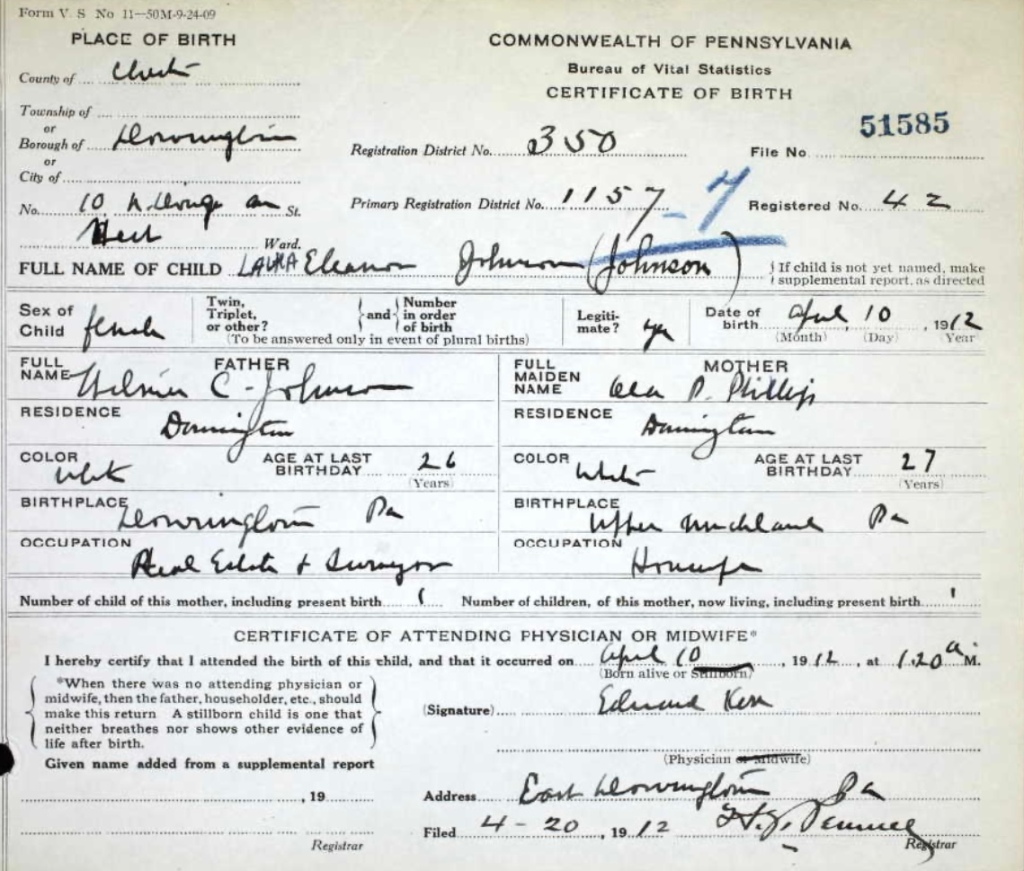
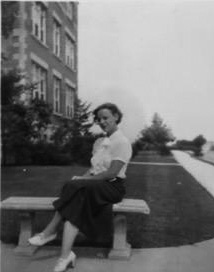
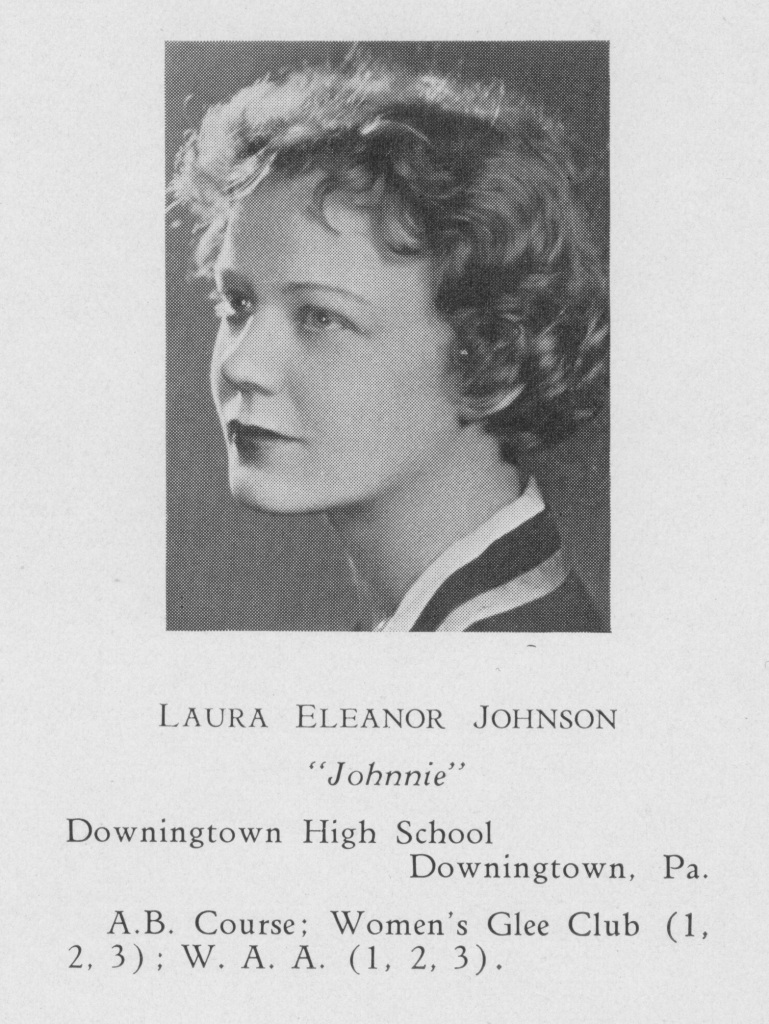
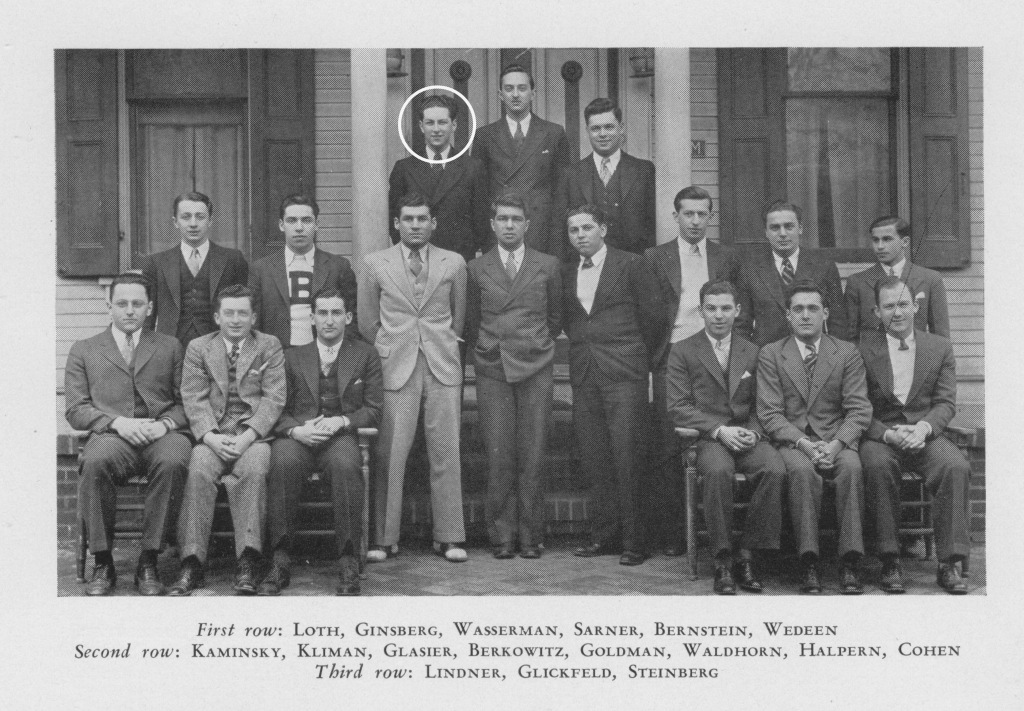
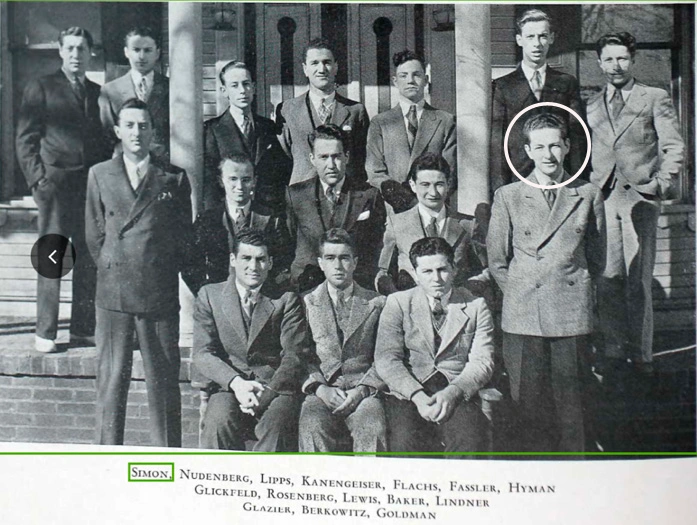
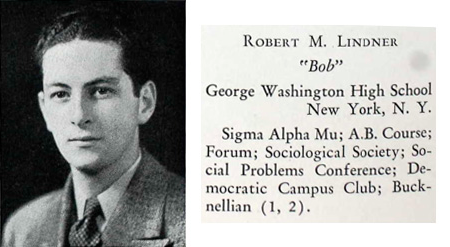
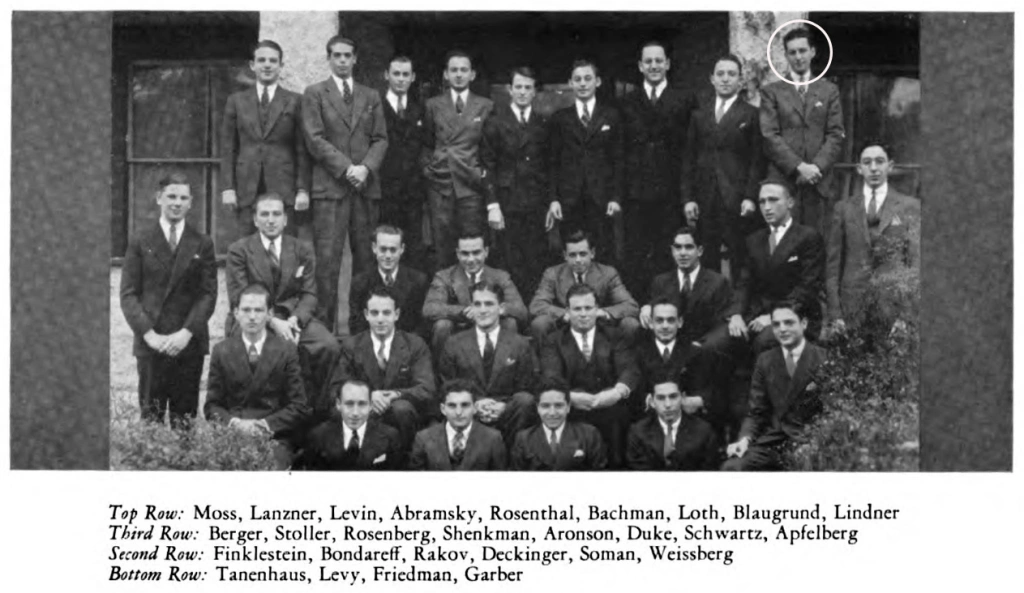
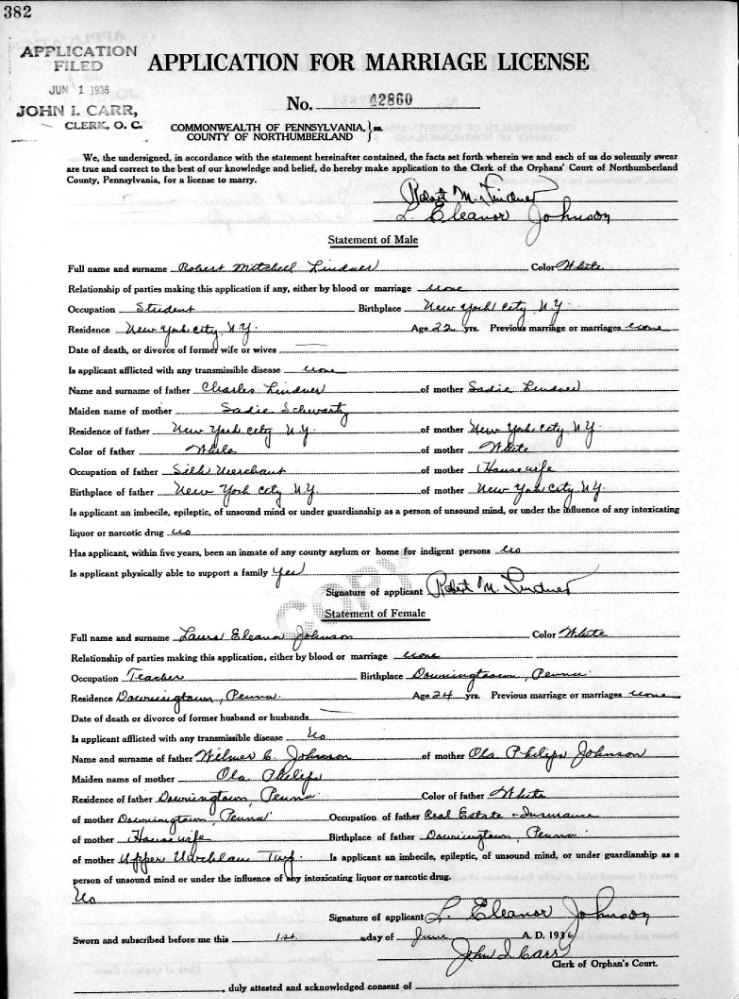
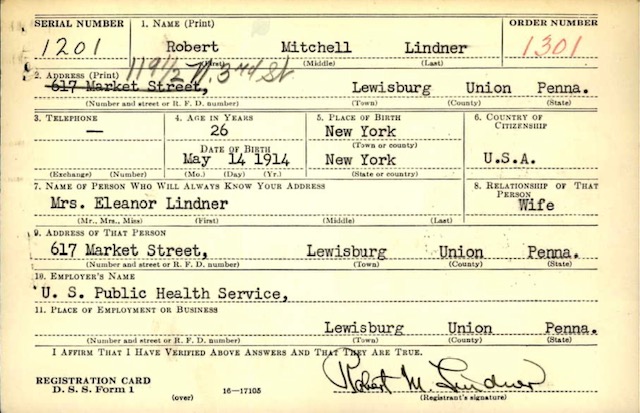
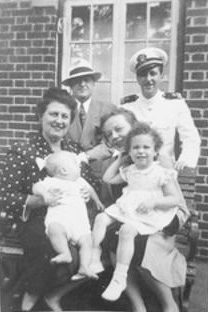
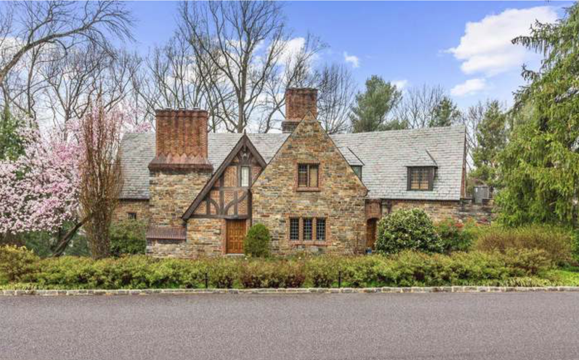
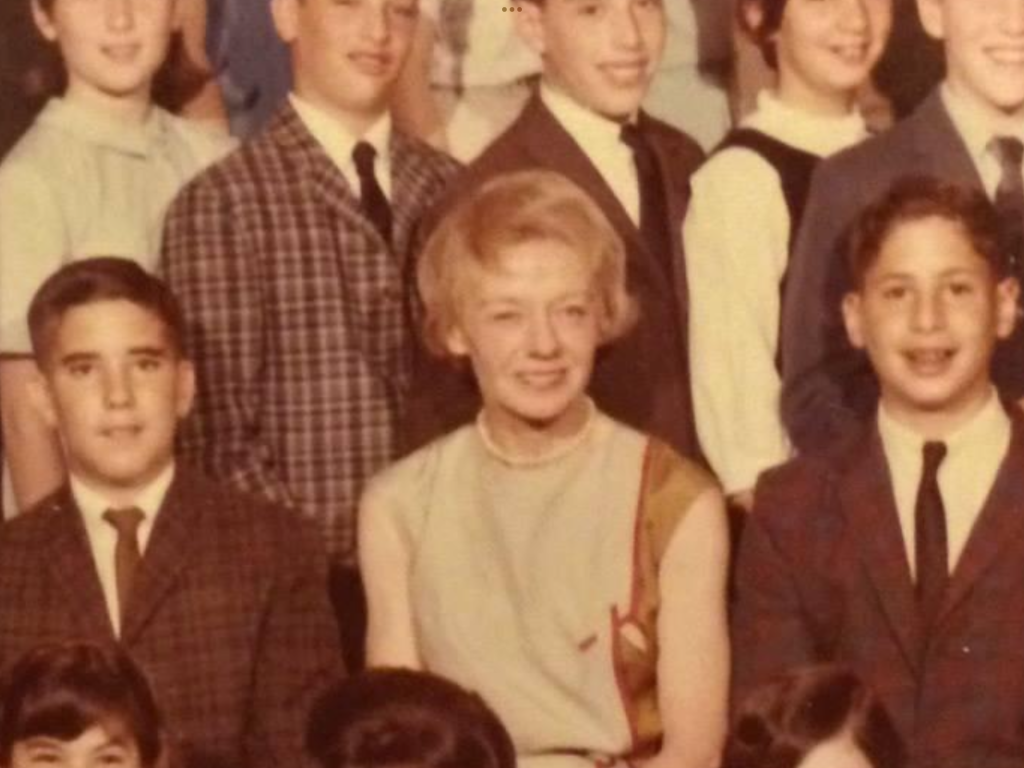
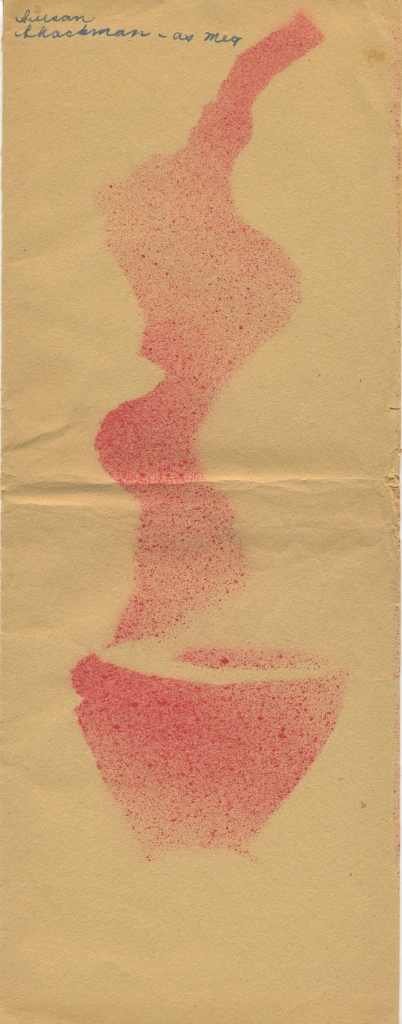
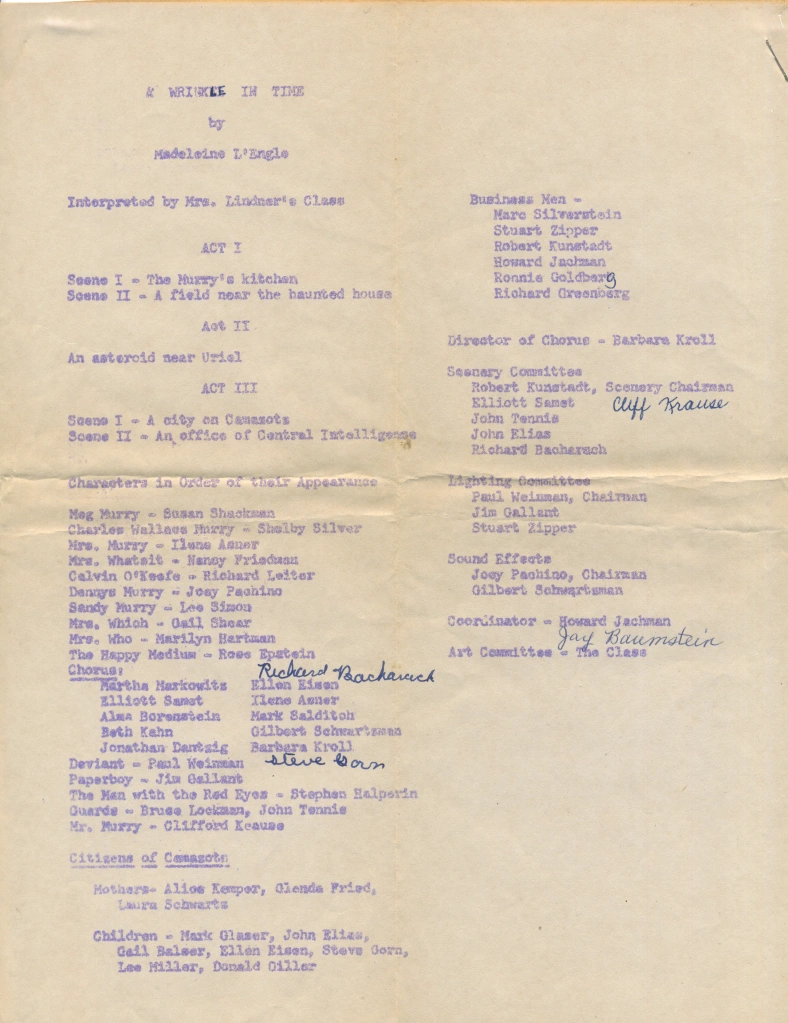
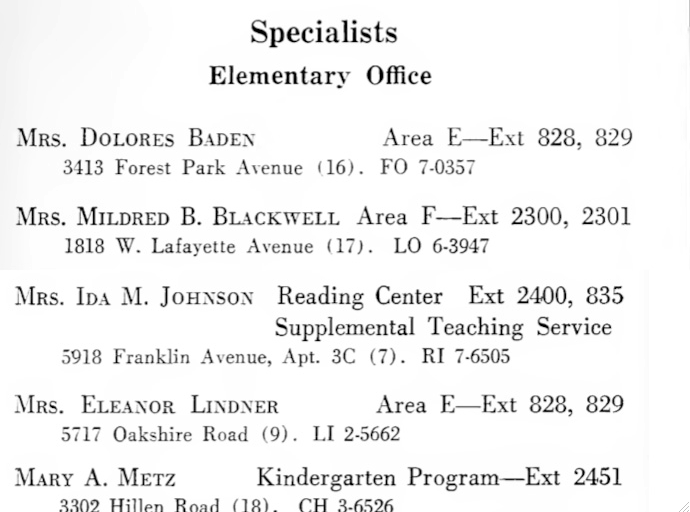
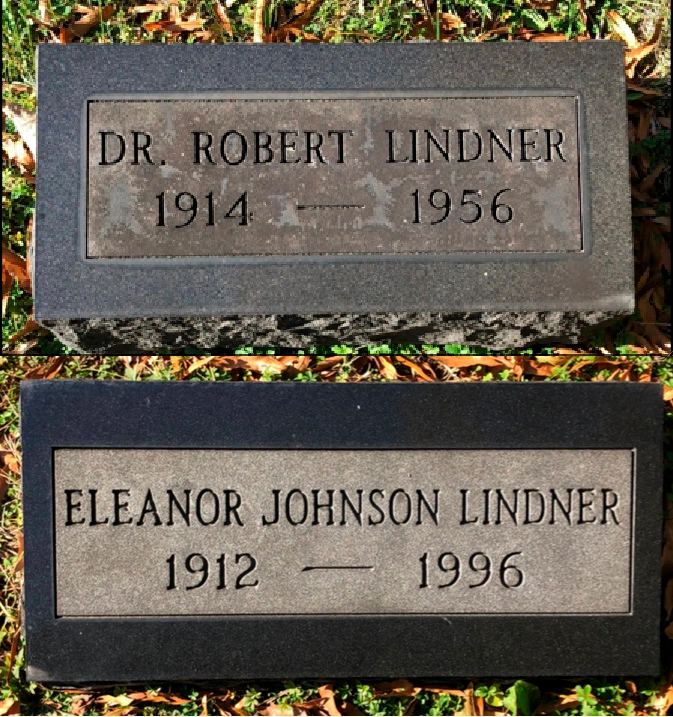
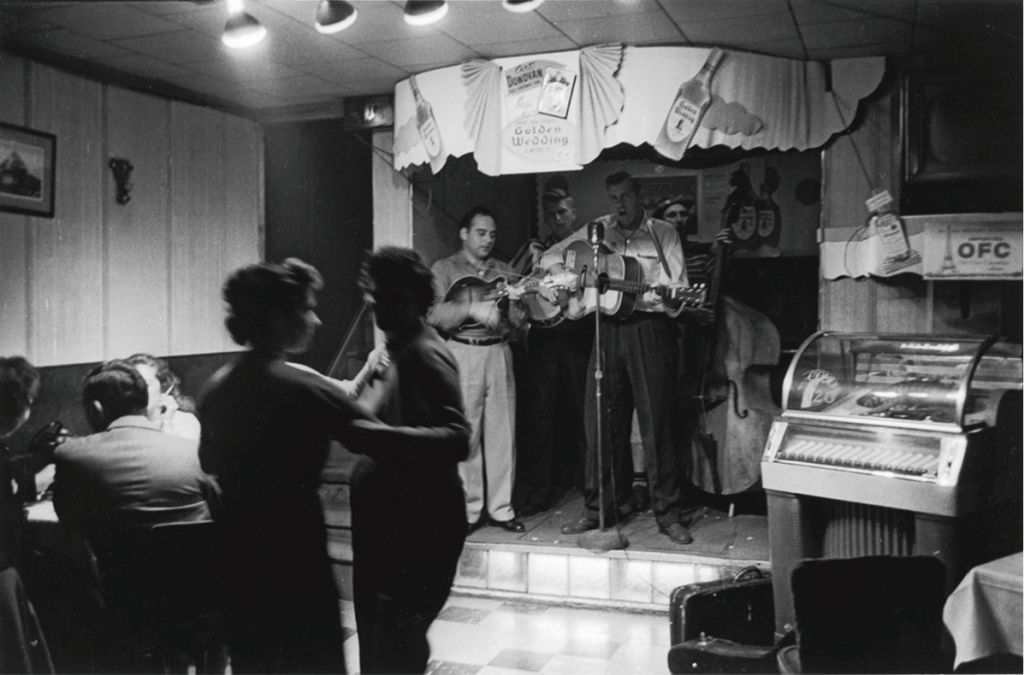
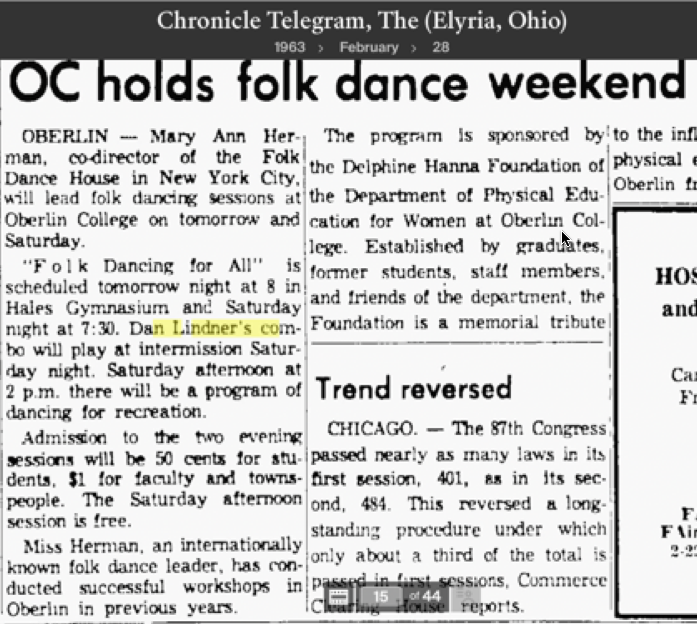
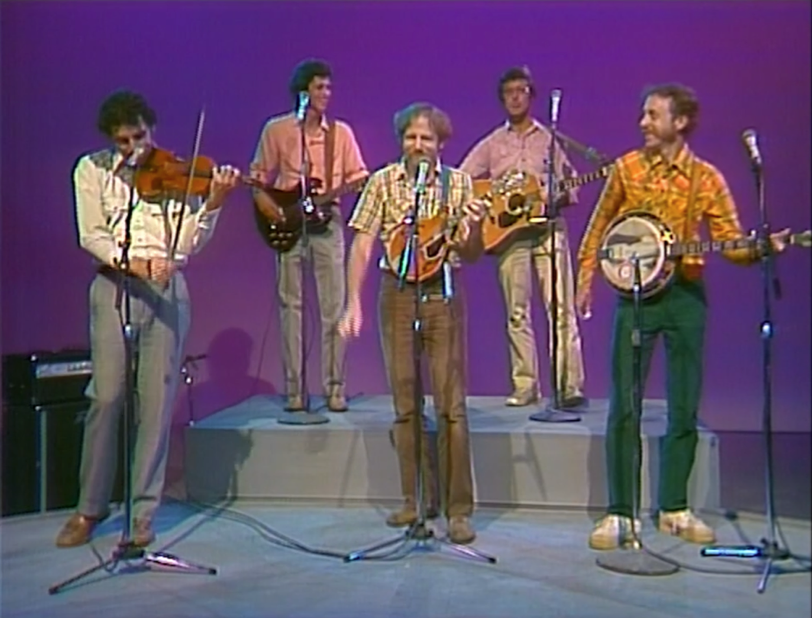
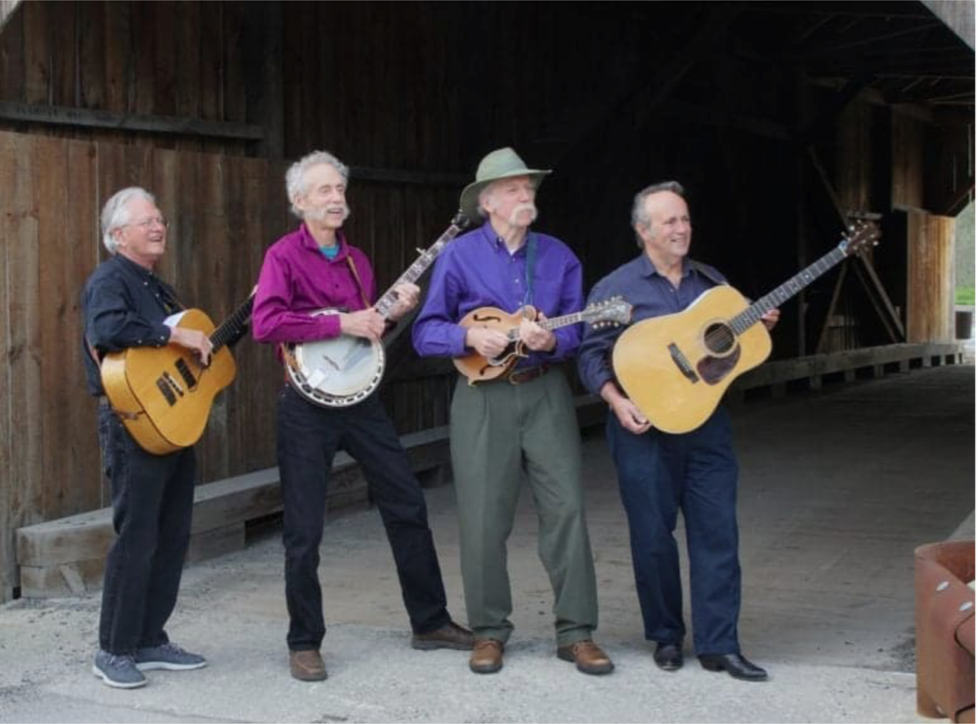
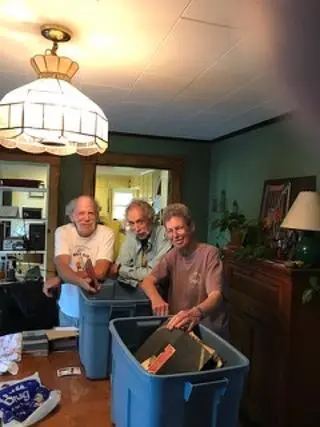
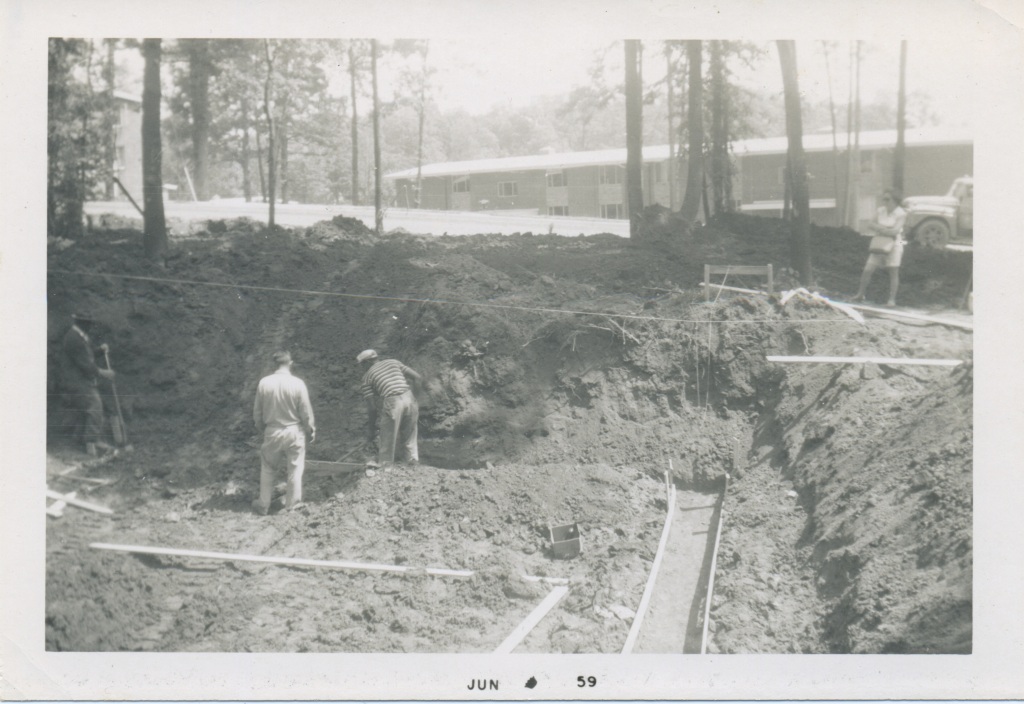
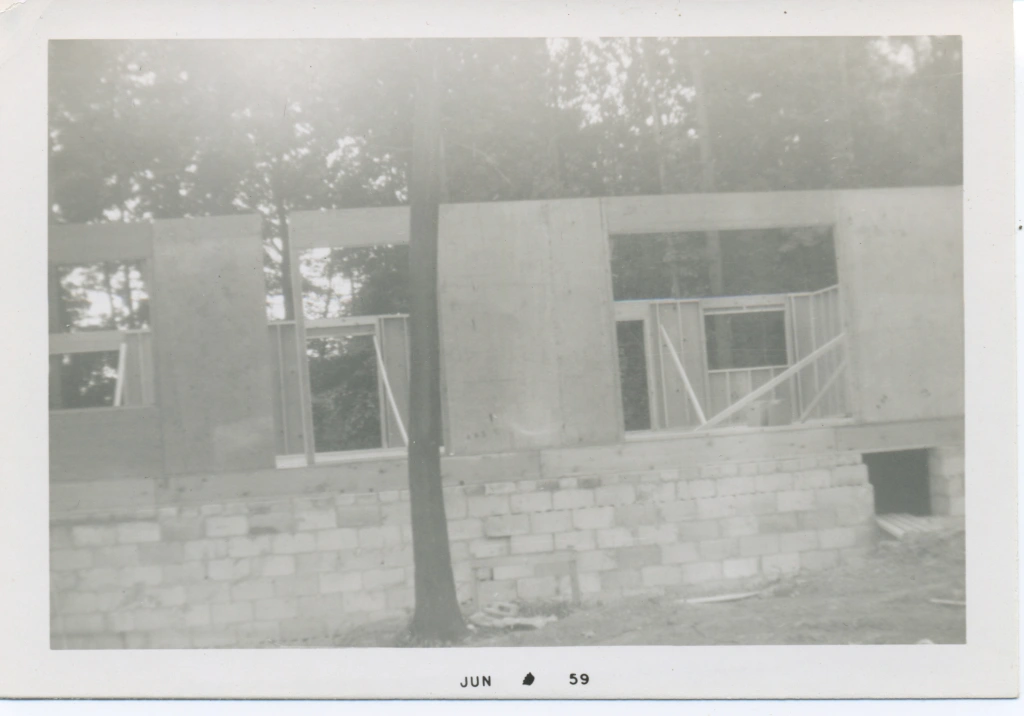
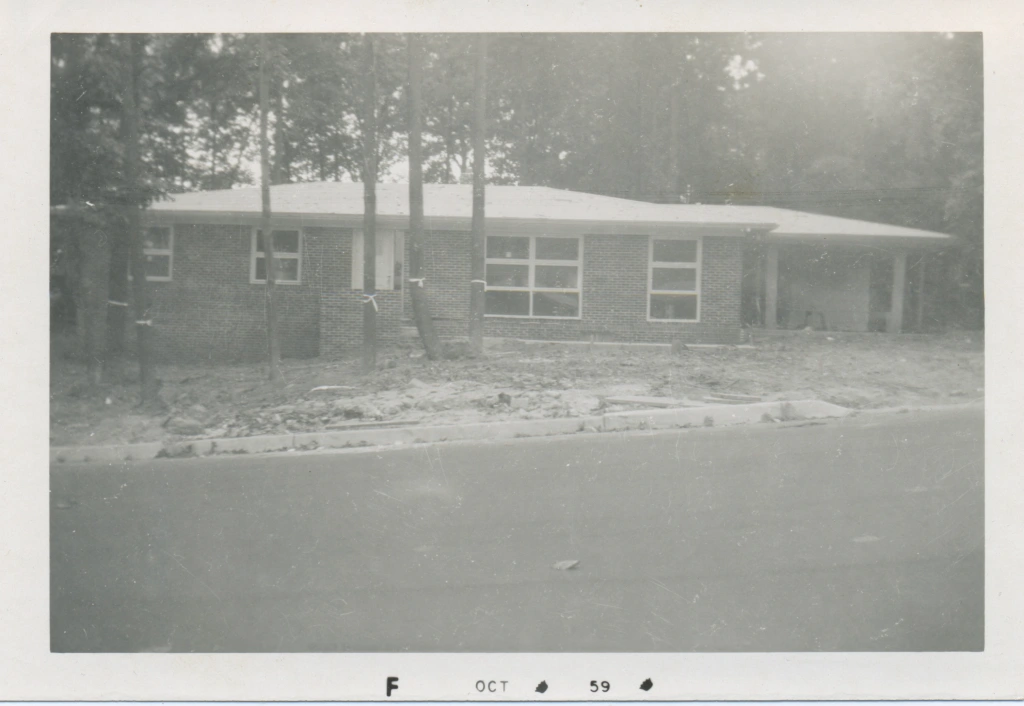
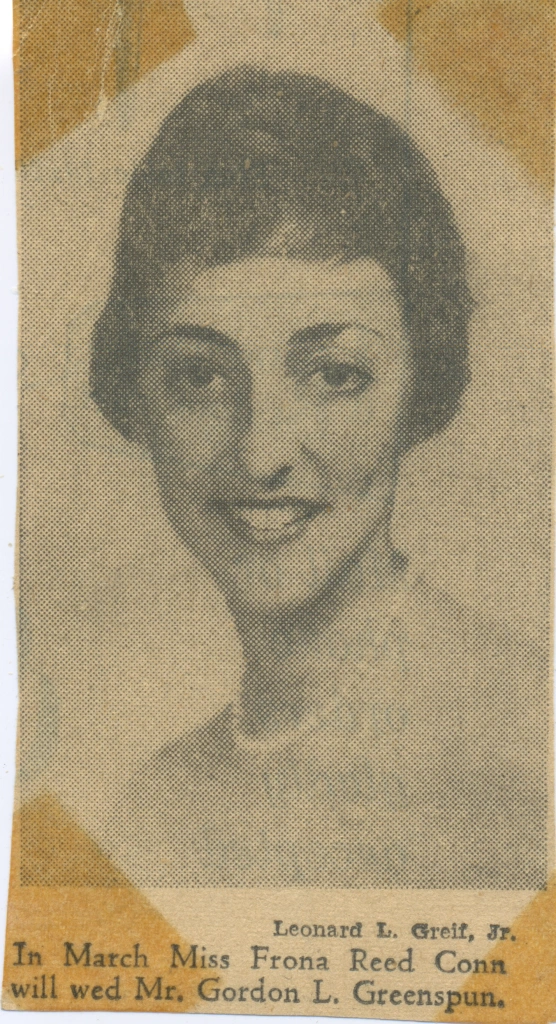
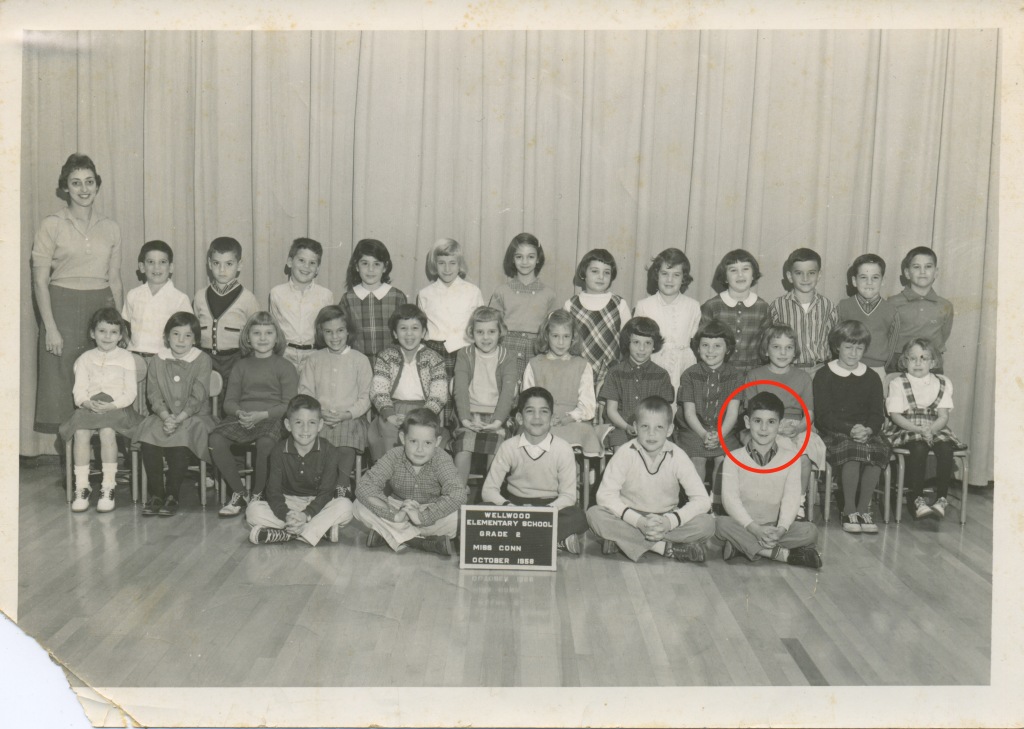
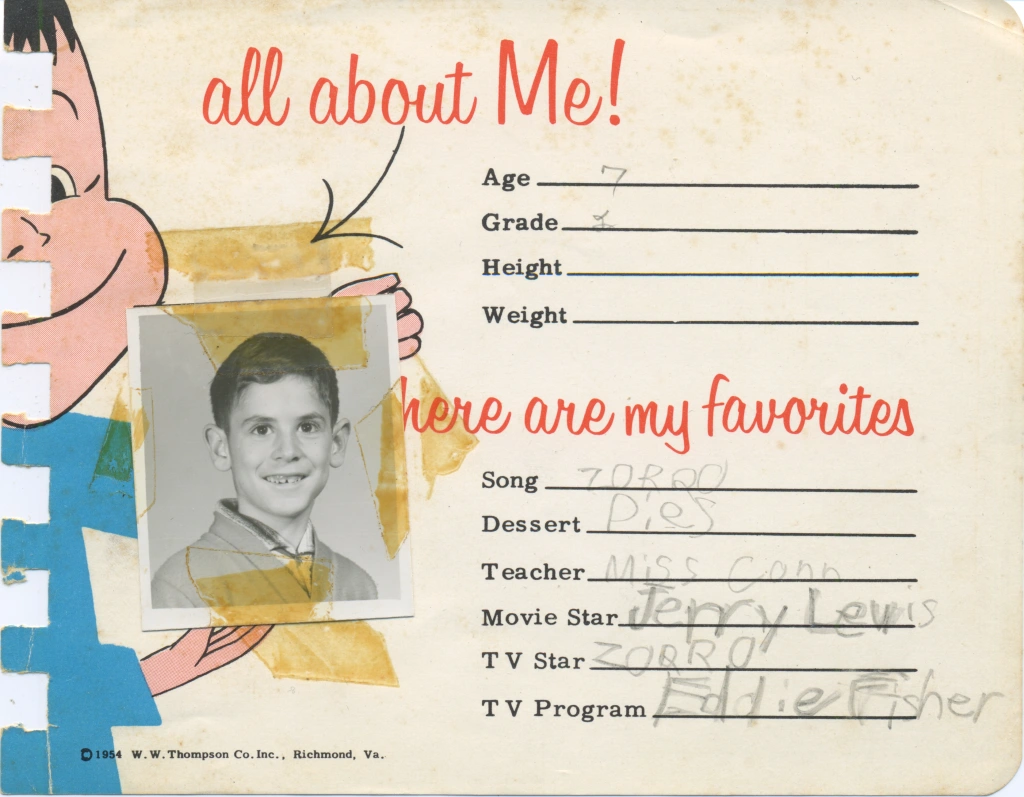
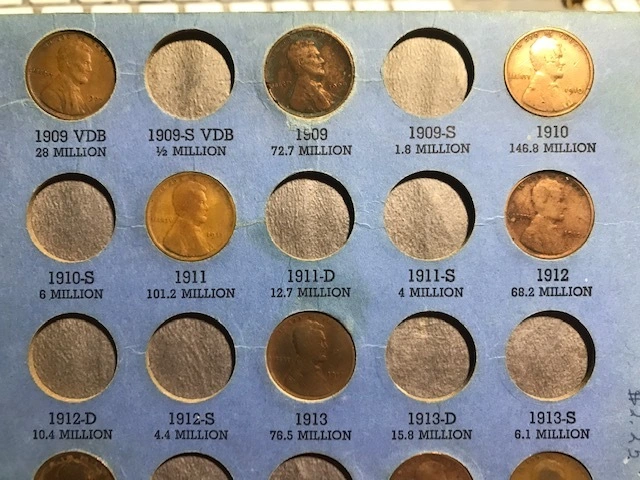
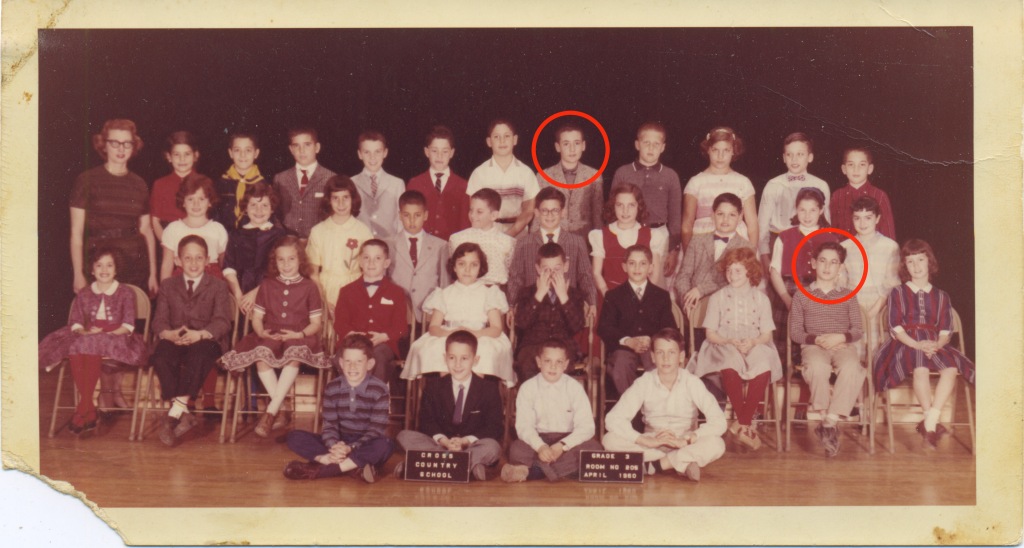
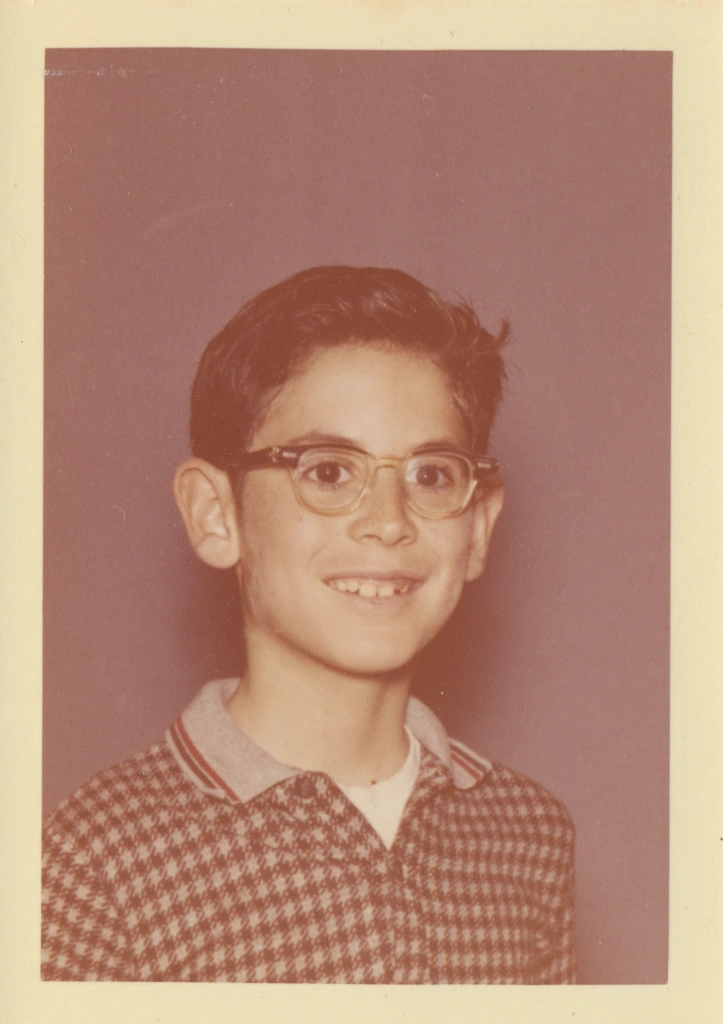
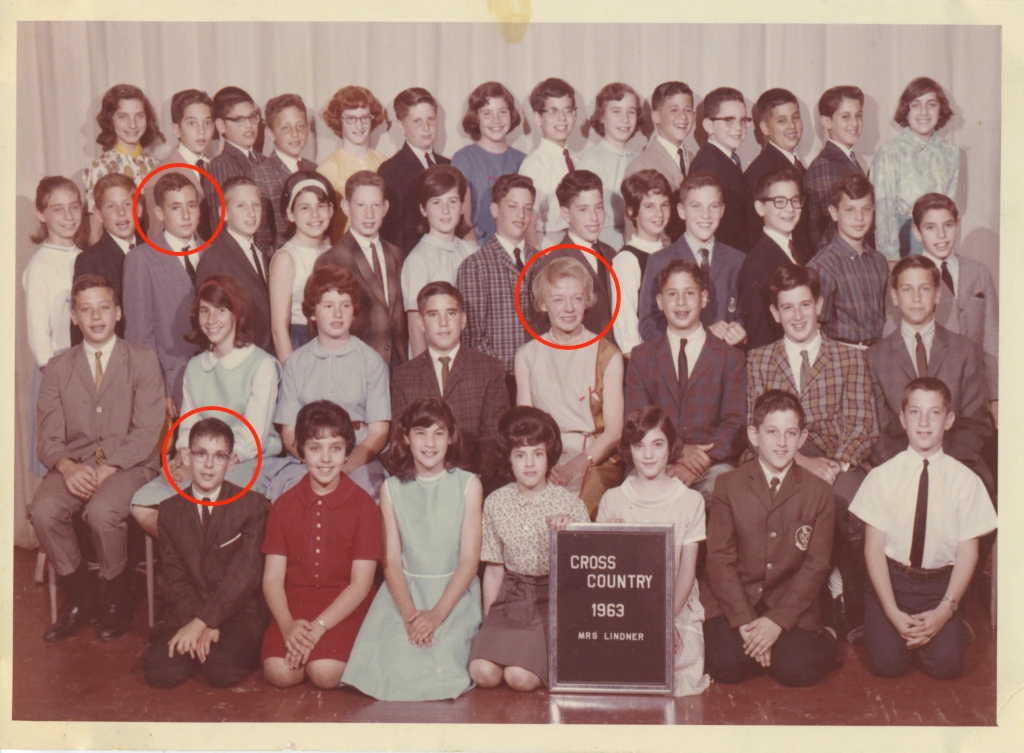
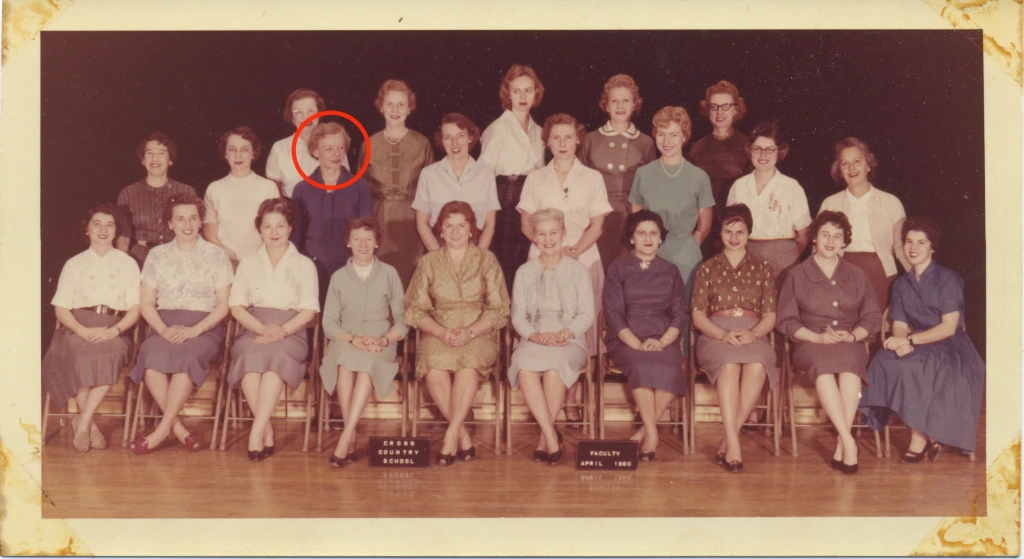
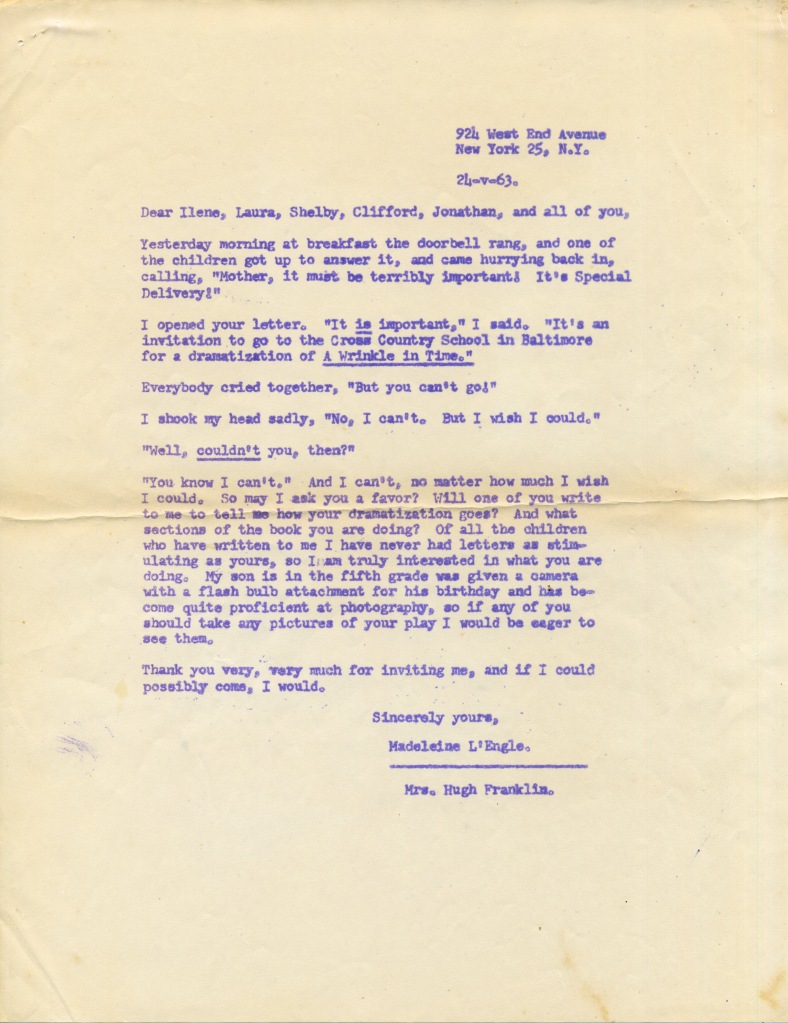
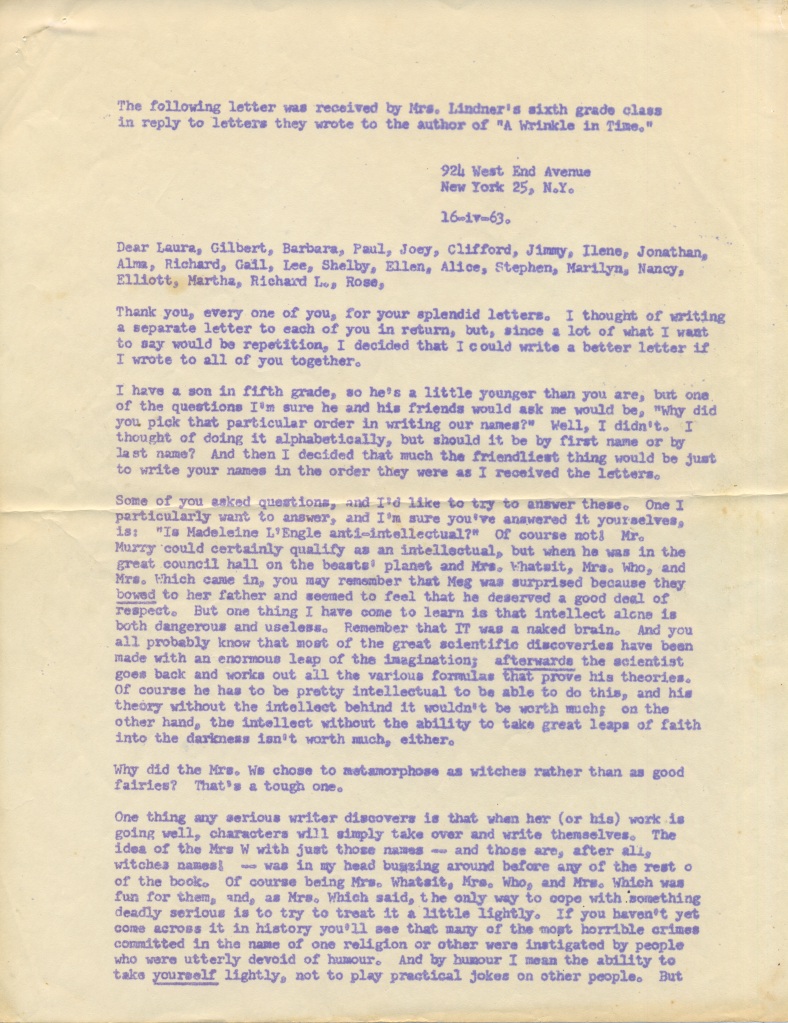
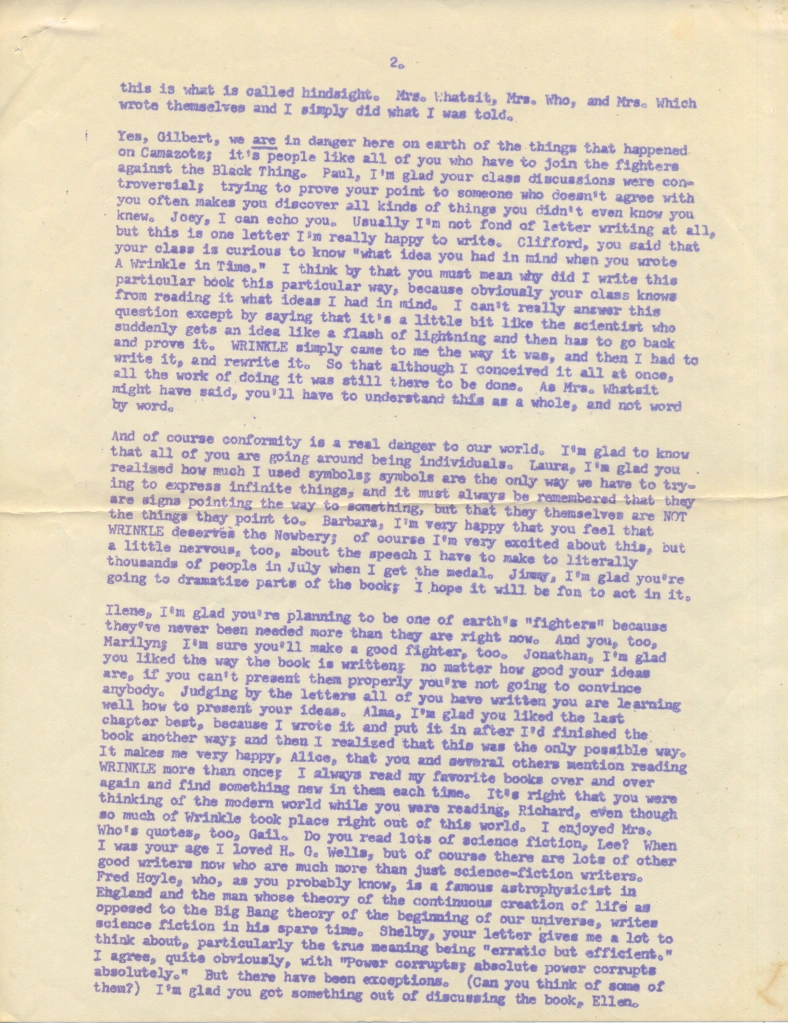
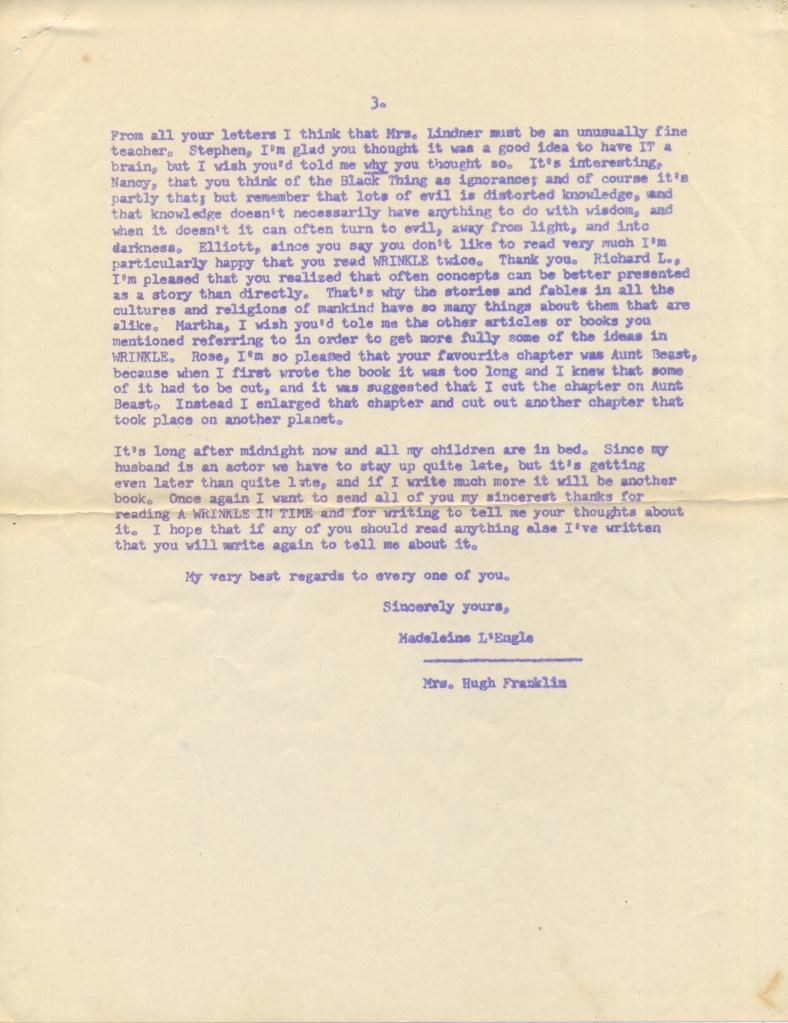
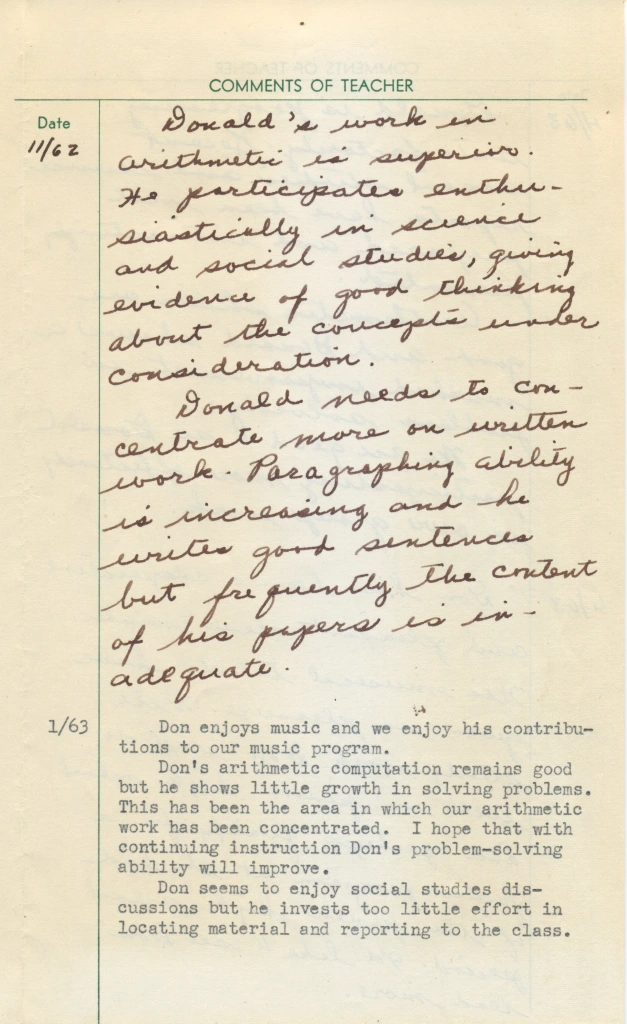
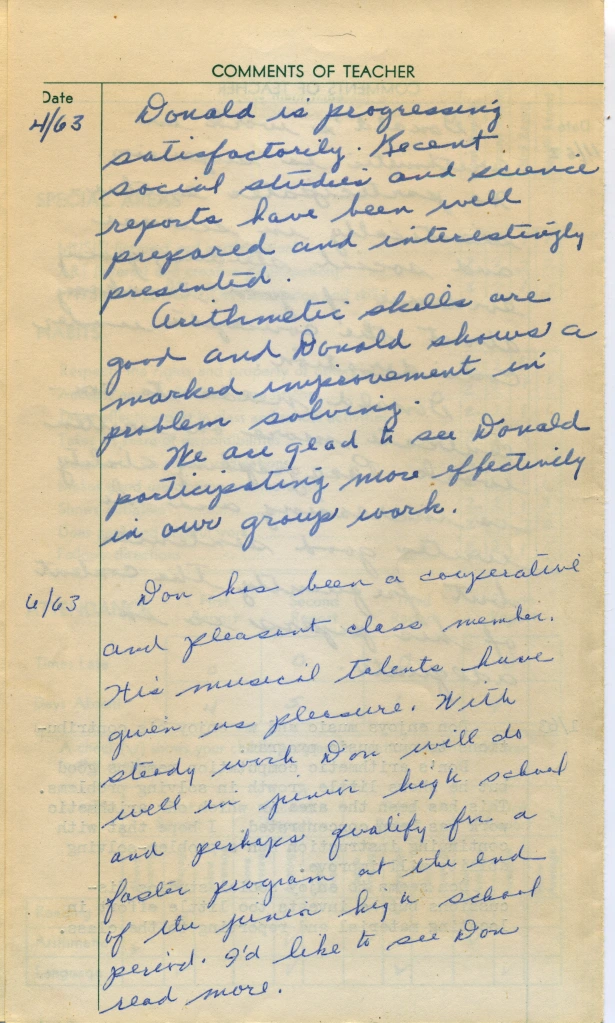
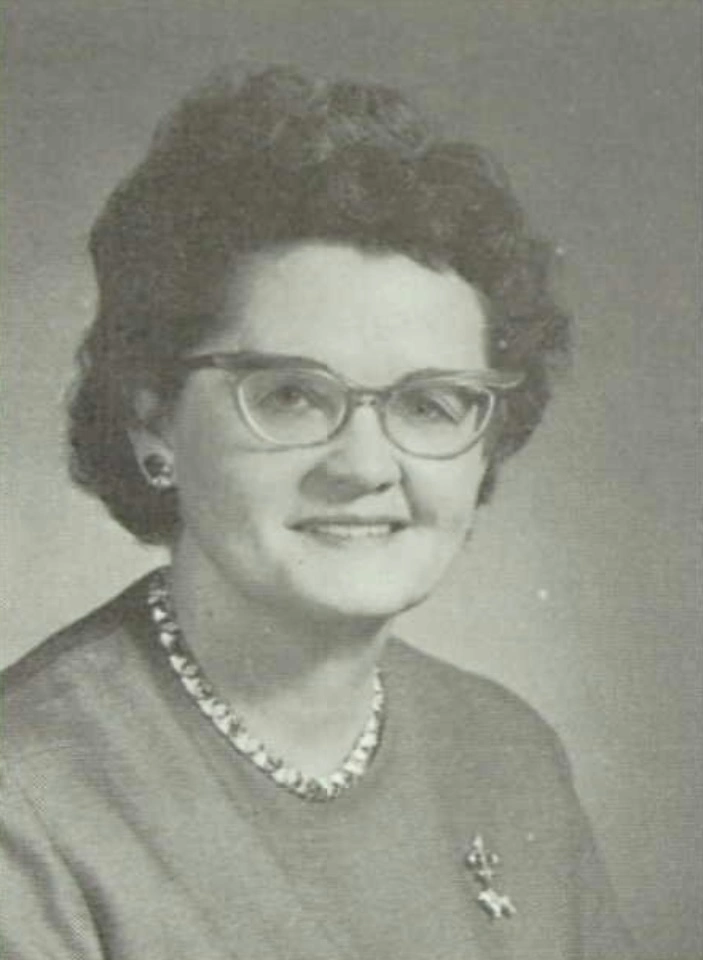
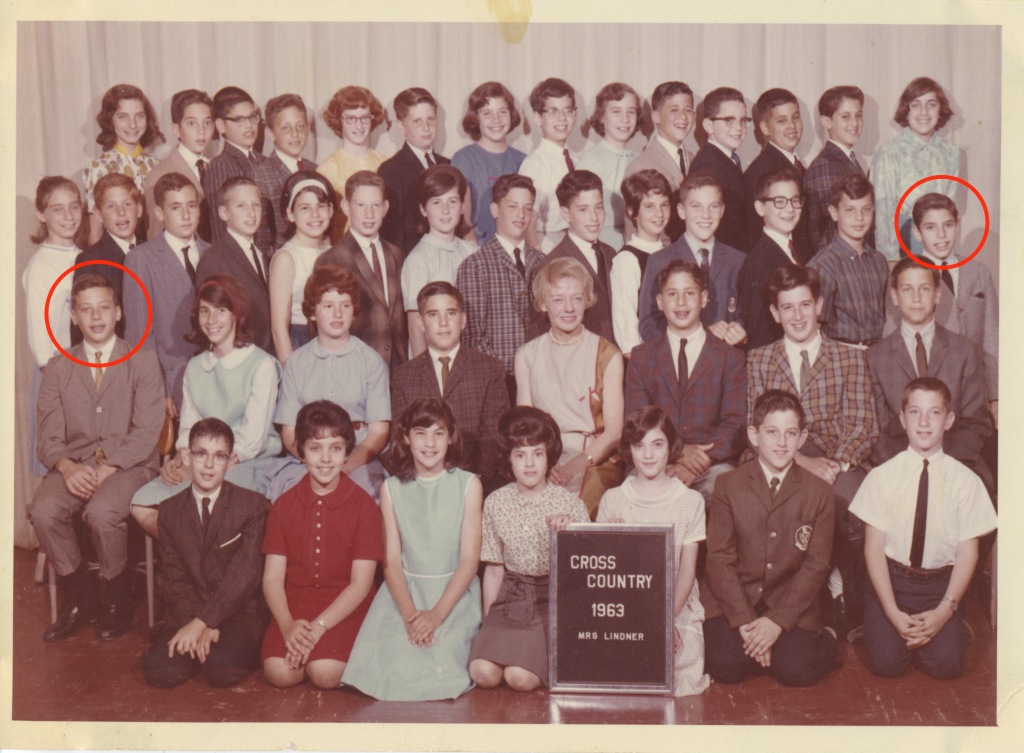
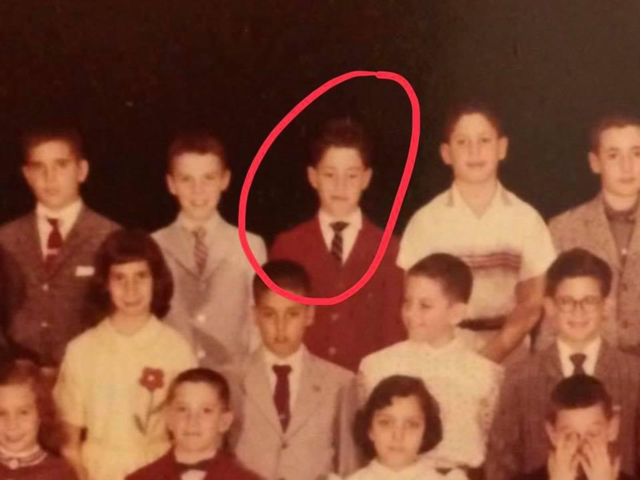
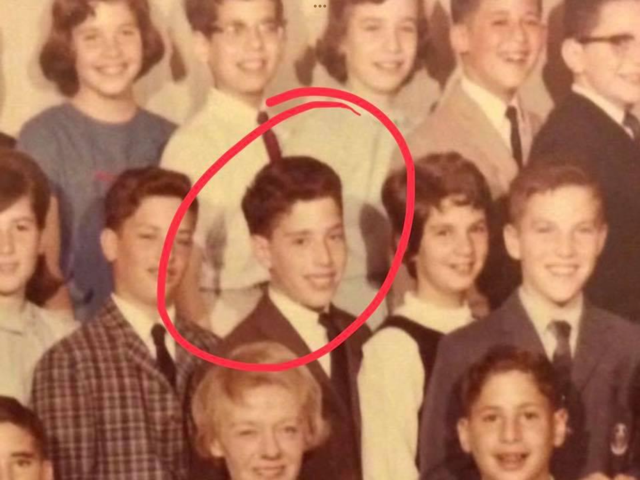






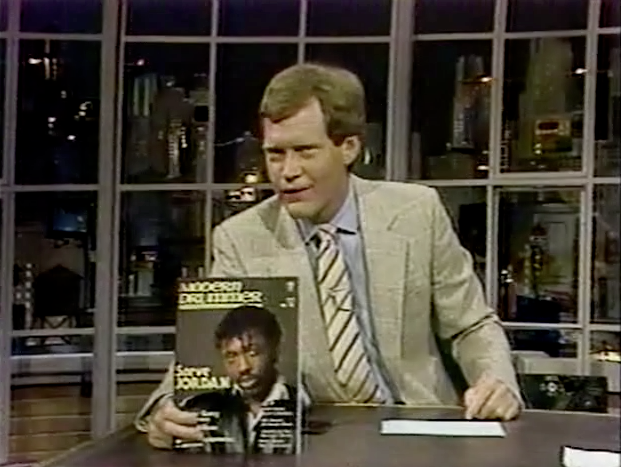
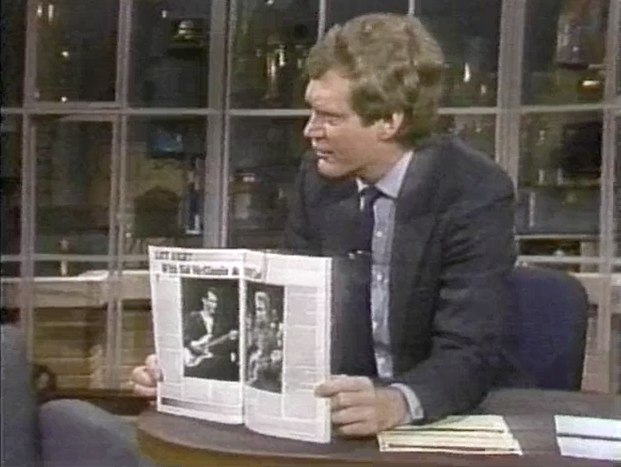



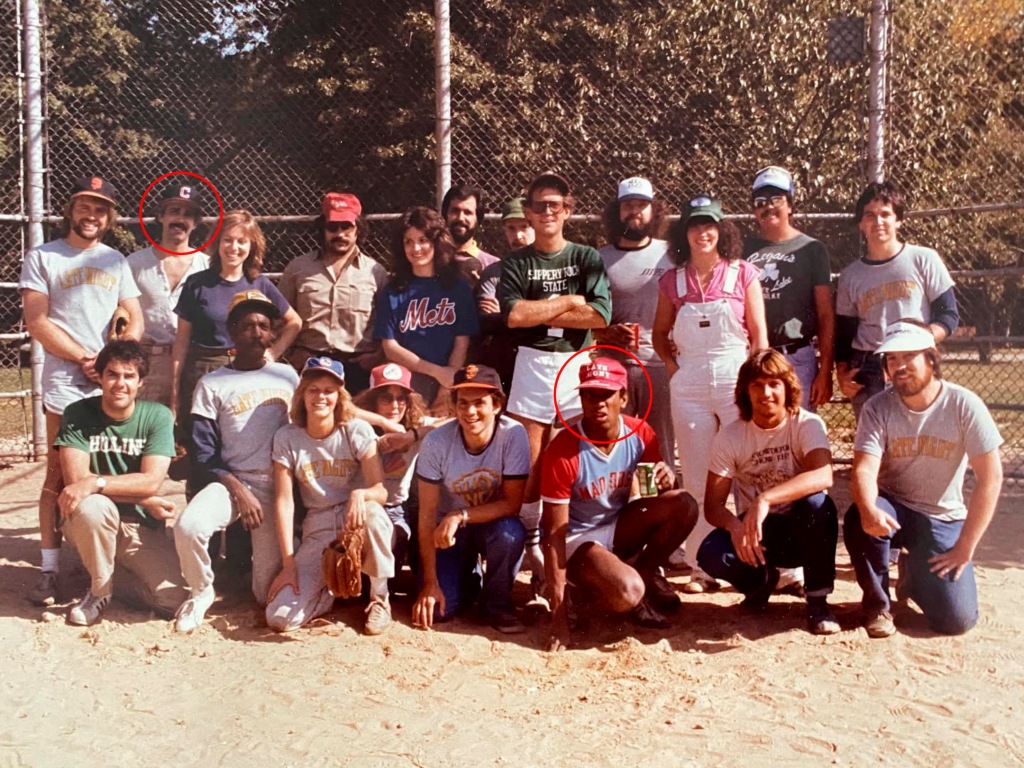




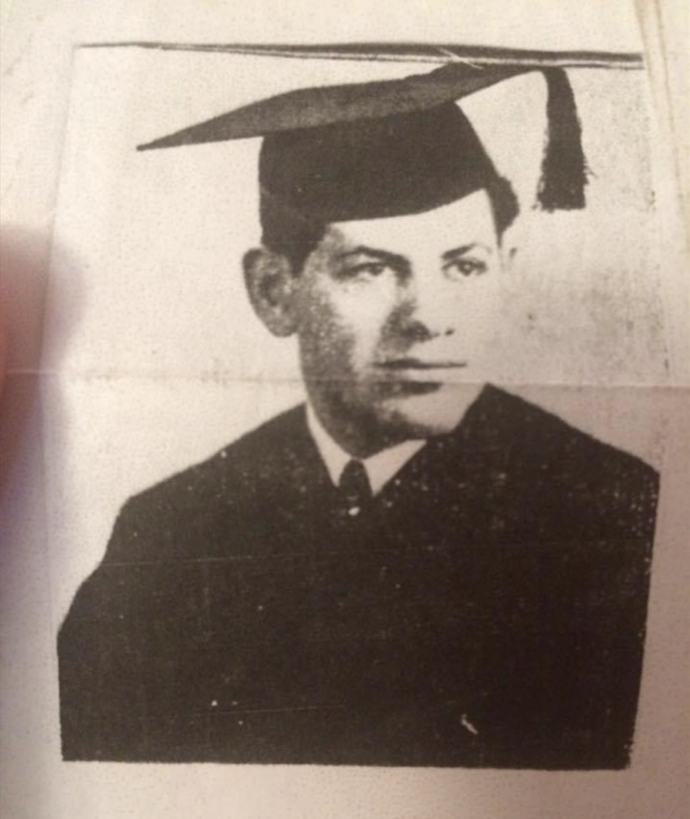
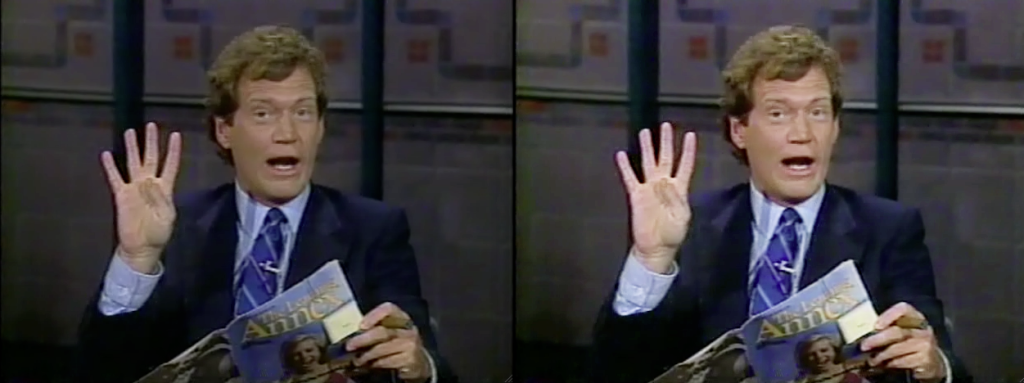



 The Donz Blog by Don Giller
You must be logged in to post a comment.